
Zelda: Ocarina of Time Remake Launches on Switch 2 with Critical Praise and Strategic Importance
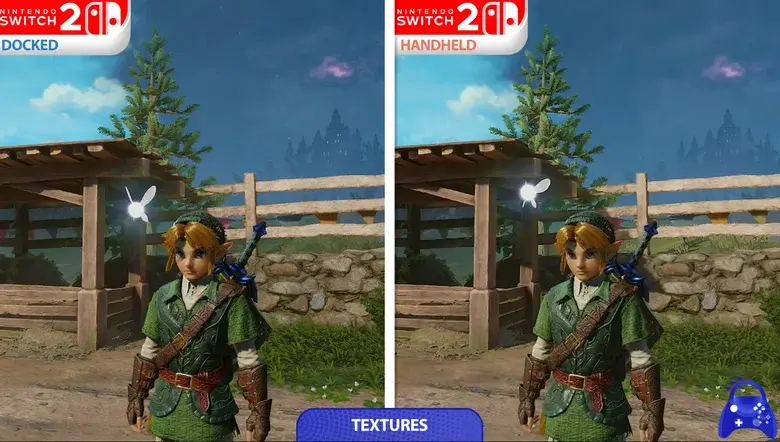
The Legend of Zelda: Ocarina of Time remake launched on the Nintendo Switch 2 on November 5, 2026, featuring modernized graphics, full voice acting, and updated controls. Critics praise the game's emotional depth and visual style, while industry analysts view it as a crucial move to boost declining Switch 2 hardware sales during the holiday season.
Key points
- The game launched on November 5, 2026, with a day-one patch enabling online features and fixing bugs.
- Visuals, audio, and controls have been significantly updated, including a symphonic orchestral score and a microphone feature for playing ocarina tunes.
- The remake retains the original 1998 game's structure and puzzles but adds modern conveniences like quick-select buttons and improved camera control.
- Nintendo's Switch 2 hardware sales declined 34.4% year-over-year, making this release a key strategic move for the holiday season.
- The game is priced at $60 for the digital version and $70 for the physical edition, with a 40th anniversary edition console already sold out.
Background
Nintendo has a history of re-releasing Ocarina of Time, including versions for the GameCube, Wii U, and 3DS. The company recently launched a 40th anniversary edition Zelda-themed Switch 2 console in late October, which sold out quickly. A Zelda orchestra concert and movie are also planned for next year, reflecting Nintendo's strategy of expanding its mainstay characters across various formats.
How outlets are covering it
The Guardian's review praises the remake as a 'dream come true,' highlighting its emotional depth and visual style, while noting that the fully voiced cutscenes may be divisive for purists. CNN emphasizes the game's strategic importance for Nintendo, noting that it aims to boost Switch 2 sales during the holiday season and position the company against the upcoming launch of Grand Theft Auto VI. The Verge focuses on the development process, highlighting how younger developers who had never played the original contributed to the remake's 'elegance' by focusing on what was essential to the original experience. GoNintendo provides a technical comparison of the game's performance in docked versus handheld modes, noting that it looks 'top-notch' in both.
Why it matters
The success of the Ocarina of Time remake is crucial for Nintendo's financial performance, as the company faces declining Switch 2 hardware sales and rising memory costs. The game's launch also positions Nintendo to compete with Grand Theft Auto VI, which is expected to be the biggest game launch of all time. Additionally, the remake reflects Nintendo's broader strategy of leveraging its classic characters to attract new generations of players while maintaining its core fanbase.
What to watch
Nintendo is expected to continue releasing exclusive games for the Switch 2 to drive hardware sales. The company has also announced a Zelda orchestra concert and movie for next year, further expanding the franchise's presence in various media. The performance of the Ocarina of Time remake will likely influence Nintendo's future decisions regarding the Switch 2 platform and its support for the first-generation Switch.
- Zelda: Ocarina of Time "docked versus handheld" graphics and framerate comparison GoNintendo
- Why Nintendo is betting on a nearly 30-year-old game remake to win the holiday CNN
- Nintendo’s designers strove for ‘elegance’ when remaking Ocarina of Time The Verge
- The Legend of Zelda: Ocarina of Time review – a dream come true The Guardian
- Ask the Developer Vol. 24: The Legend of Zelda: Ocarina of Time — Part 4 Nintendo
Want the full story? Read the original reporting
Read on GoNintendo