
Eclipse Fever: European Hotels Double Prices as Millions Chase Totality
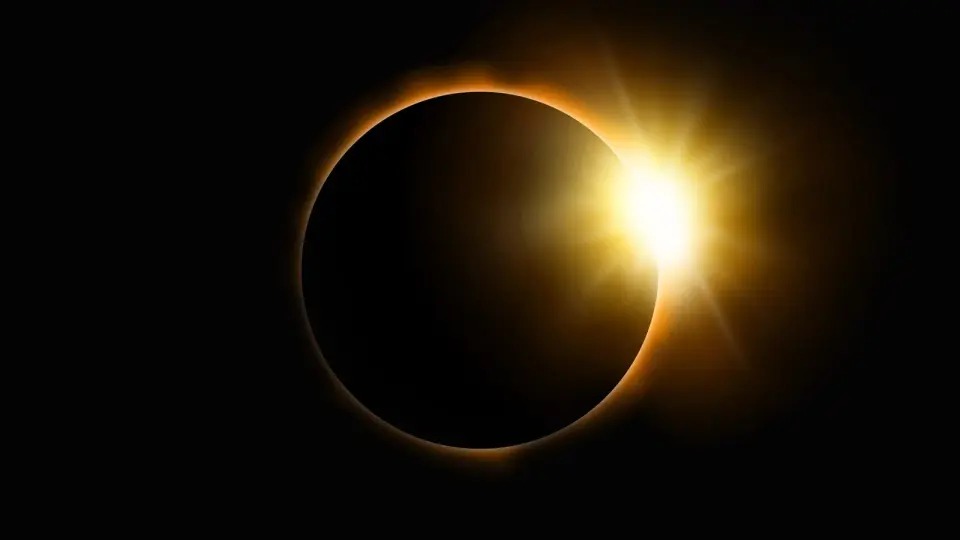
A total solar eclipse on August 12, 2026, triggered a massive surge in travel demand across Europe, driving hotel and rental prices above $1,000 per night in key locations. While Iceland and northern Spain saw record spikes, the event’s economic impact was short-lived and concentrated, with prices falling sharply as the date approached.
Key points
- In Reykjavik, Iceland, hotel rates peaked at $1,012 per night in mid-July, double the 2025 rate, while short-term rentals reached $1,172, a 178% increase.
- Bilbao, Spain, saw short-term rentals hit $1,088 per night, up 206% year-over-year, though hotel rates rose only 35% to $315.
- By August 10, lowest available hotel rates in Reykjavik had fallen 46% from their mid-May peak, indicating heavy discounting as the event neared.
- Nearly 64% of Iceland’s available short-term rentals were within the path of totality, compared to 21% in Spain.
- Experts described the tourism boost as 'powerful' but 'concentrated,' noting it filled rooms for only a few days without altering broader seasonal travel trends.
Background
This event followed a partial solar eclipse visible in North America in 2017, which highlighted the risks of unprotected viewing. The August 2026 eclipse was the first total solar eclipse visible from mainland Europe since 1999, with the path of totality crossing Iceland, northern Spain, and parts of Portugal. Previous coverage noted that totality lasted up to 110 seconds in western Spain and that the next total eclipse in the region is scheduled for August 2, 2027.
How outlets are covering it
CNBC emphasized the financial volatility, highlighting how hoteliers in Iceland initially priced rooms at three to four times normal rates before walking them back, while Spanish hotels raised prices only as bookings filled. The Guardian focused on the cultural and communal experience, describing crowds in Cornwall and London and the emotional impact on observers. USA Today highlighted the global scale of the event, noting the scramble for protective glasses across Europe. AP News, while technically an error page in the provided source, was referenced in the context of millions crowding Spanish cities, aligning with the Guardian’s report of high attendance in locations like Buitrago del Lozoya.
Why it matters
The eclipse demonstrated the extreme elasticity of demand for 'once-in-a-lifetime' events, showing how limited supply in specific geographic zones can drive prices to unsustainable levels before correcting. It also highlighted the transient nature of such spikes, as the event did not alter long-term travel patterns or seasonal trends driven by climate factors.
What to watch
Travelers are expected to continue seeking out the next total solar eclipse in August 2027, which will be visible across southern Spain, North Africa, and Yemen. Hospitality providers in these regions may prepare for similar pricing surges, though the current event’s impact was limited to a few days.
- Solar eclipse drives Europe hotel prices to over $1,000 a night CNBC
- Europe solar eclipse live: millions flock to viewing spots in Spain, UK and Iceland The Guardian
- Crowds gather around the world to catch rare solar eclipse. See photos USA Today
- Millions of people in Iceland and Spain set for 'event of the century' eclipse Reuters
- Eclipse excitement sweeps Spain as millions prepare to watch the skies AP News
Want the full story? Read the original reporting
Read on CNBC