Jet-fuel costs have surged about 50% since the Iran war began, prompting U.S. airlines to raise fares even as executives say overall travel demand remains strong and profit forecasts are intact, aided by several top sales days this year.
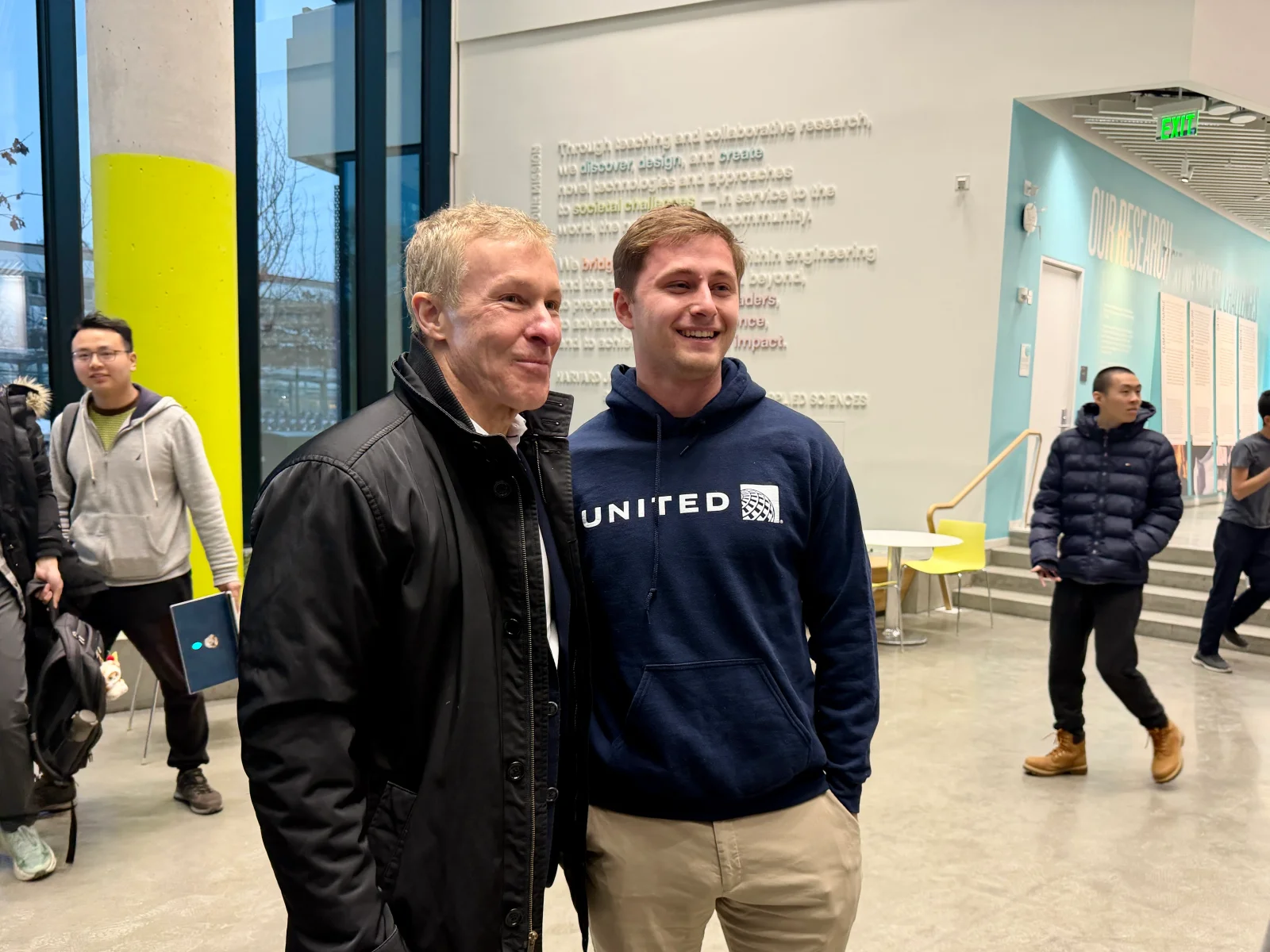
United Airlines CEO Scott Kirby says global travel demand remains robust despite the Middle East crisis and surging oil prices, with bookings up more than 20% recently and Europe leading international demand; fuel costs are likely to be passed to consumers, but demand is expected to stay resilient as the industry heads toward JPMorgan’s Industrials conference, including notable increases in Australia-to-Europe travel.
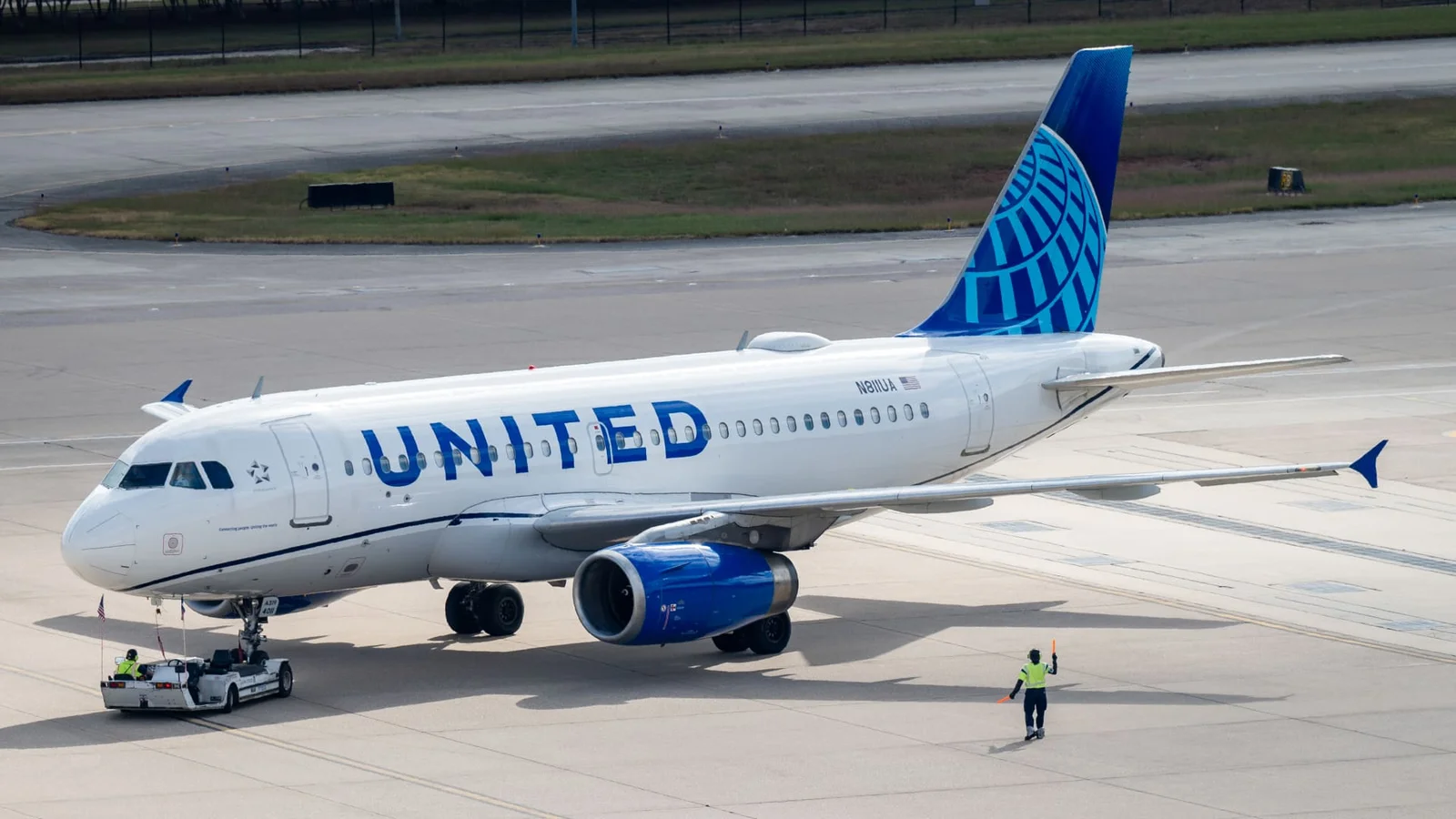
United Airlines reported a strong Q4 2025: net income $1.04B ($3.19 per share) on $15.4B revenue, with premium revenue up 9% in Q4 and 11% for the year. The company projects 2026 adjusted EPS of $12–$14 (aligned with $13.16 consensus) and Q1 guidance of $1.00–$1.50 per share, signaling potential record earnings driven by robust travel demand, premium and basic-economy ticket sales. The quarter was affected by a $250M pretax hit from the government shutdown and related air-traffic controller shortages, but demand trends remain strong alongside Delta as industry profit leaders.
Delta Airlines reported that the recent U.S. government shutdown cost it about $200 million in pretax profit, mainly due to softened bookings, but the airline remains optimistic about strong travel demand into 2026. Despite the shutdown's impact, Delta and other airlines continue to advocate for better pay and conditions for air traffic controllers and other essential workers to prevent future disruptions.
United Airlines forecasts its highest-ever quarterly revenue driven by increased travel demand and improved pricing, with an expected adjusted profit of $3.00 to $3.50 per share for the current quarter, surpassing analyst estimates, as it invests in customer experience and benefits from a strong premium and international travel market.
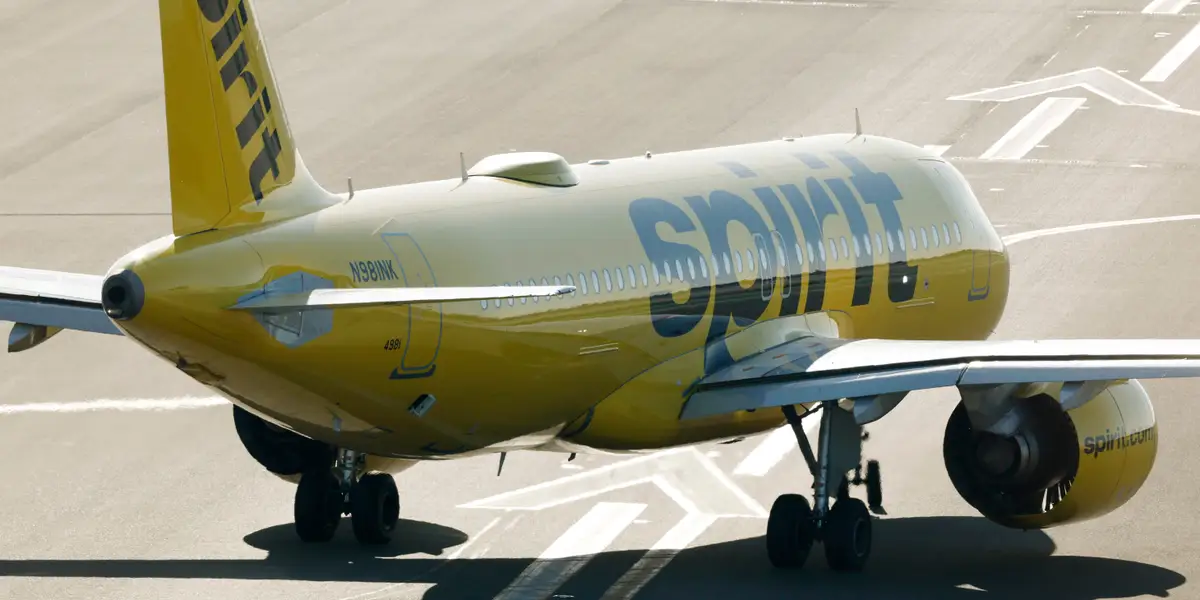
Spirit Airlines has warned it may not survive another year due to significant financial losses, weak demand, and liquidity issues, potentially needing to sell assets to stay afloat, after recently exiting bankruptcy.
Airbnb reports a strong Q3 outlook driven by encouraging summer travel demand, with revenue and bookings exceeding expectations, but warns that growth may slow later in the year due to tough comparisons. The company also announced a $6 billion share repurchase program and is exploring a new loyalty program to enhance customer engagement.
Airbnb's Q2 earnings beat estimates with a 13% revenue increase to $3.1bn, but the company warns of challenging months ahead due to tariffs and economic uncertainties, leading to a 6.5% drop in shares. Despite strong summer bookings, future growth is expected to slow, and the company is investing in new services and a $6bn share buyback program.
American Airlines reported strong Q2 earnings surpassing expectations, driven by international and premium services, but issued a cautious outlook for Q3 due to ongoing travel demand uncertainties, leading to a decline in its stock.
Southwest Airlines reported a second-quarter profit decline with earnings and revenue below expectations but noted that travel demand has stabilized, and announced a $2 billion share buyback amid ongoing business model changes and economic uncertainties.
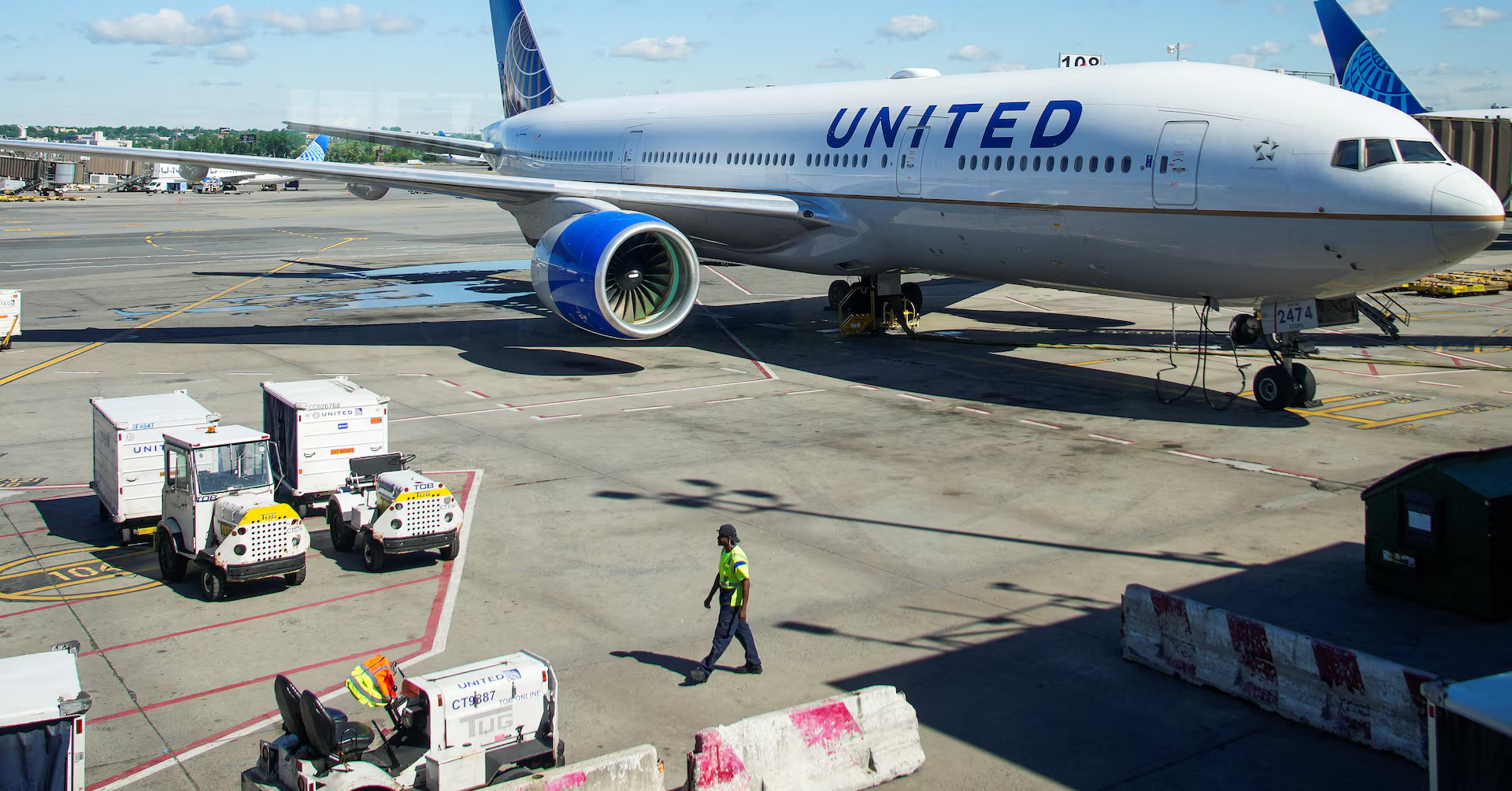
United Airlines reported a strong second quarter with earnings beating estimates and expressed optimism about 2025, citing reduced global uncertainty and improving travel demand, especially from premium customers, despite some revenue declines and operational challenges at Newark. The CEO anticipates a robust finish to the year and projects 2025 earnings within analyst expectations.
Delta Air Lines reported better-than-expected quarterly profits, signaling a potential stabilization in travel demand amid improving economic confidence, which led to a over 10% rise in its stock price, despite lowering its full-year forecast due to ongoing economic uncertainties.
Delta Air Lines' stock surged nearly 10% after surpassing earnings expectations and restoring full-year guidance, signaling improved confidence in travel demand, especially in premium segments, and boosting broader airline stocks despite a turbulent year.
JetBlue Airways is implementing significant cost-cutting measures, including reducing flights and restructuring leadership, as weaker-than-expected travel demand makes achieving break-even profitability in 2025 unlikely, leading to reliance on borrowed cash to sustain operations.
US travel demand is declining as consumers cut back on vacations and last-minute bookings, driven by economic uncertainty, inflation fears, and political tensions, particularly affecting lower-income households and the tourism industry.