
David Walliams Accused of Grooming Teenagers in Joint Investigation
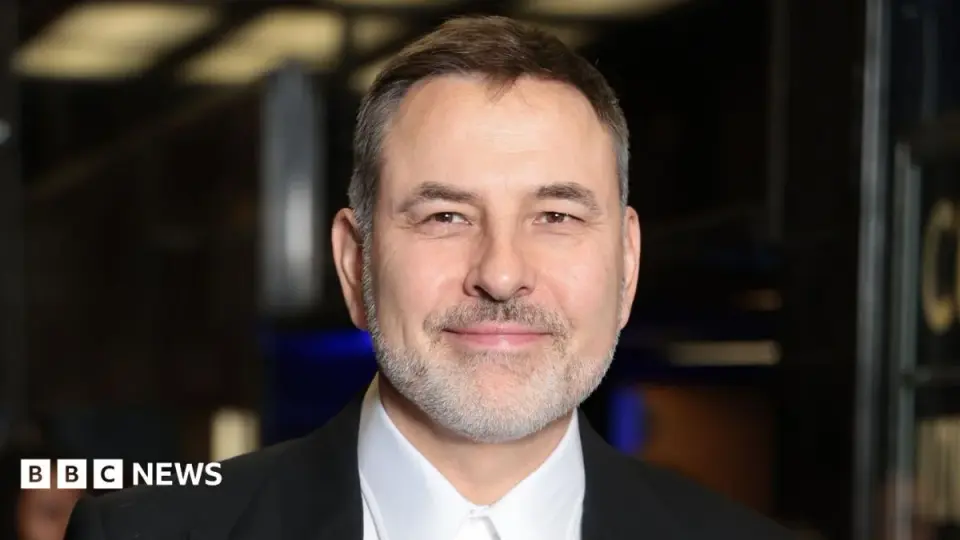
David Walliams has been accused by multiple women of grooming and sexual harassment, including interactions with girls as young as 15. A joint investigation by The Guardian and ITV News, which Walliams attempted to block via a High Court injunction, details allegations of exploiting his celebrity status over two decades. Walliams denies the claims, stating he has not broken the law, though he expressed regret for past thoughtless behavior.
Key points
- The Guardian and ITV News published a three-year investigation alleging Walliams preyed on young women and teenagers for sexual purposes.
- Accusers, including a woman named Alex who met him at 15, claim he used his fame to groom them, eventually leading to sexual relationships when they were minors.
- Walliams attempted to block publication via the High Court, citing suicide risks, but the court rejected his bid, ruling that the public interest outweighed his wellbeing concerns.
- HarperCollins dropped Walliams as an author after concerns regarding his conduct with junior female employees, including an alleged sexual relationship.
- Walliams denies all allegations of criminal activity or grooming, stating he is not a predator, but admitted to behaving thoughtlessly in casual relationships.
Background
In early November 2026, UK courts ruled on a bid by an unnamed celebrity, referred to as PPT, to block sexual misconduct allegations. The High Court dismissed the injunction but maintained temporary anonymity while an appeal window was open. The appeal deadline has since passed, allowing The Guardian and ITV News to publish the full investigation and identify the subject as David Walliams.
How outlets are covering it
The Guardian and ITV News present detailed accounts from multiple accusers, emphasizing a pattern of grooming and power imbalance, with one accuser describing an encounter as sexual assault. Deadline highlights the legal battle, noting the outlets interviewed over 100 sources and that the court ruled suicide was not an inevitable consequence of publication. Walliams’ legal team and his own letter deny criminal wrongdoing, arguing he believed some accusers were adults and that he did not abuse his power, though he expressed regret for past insensitivity. The outlets disagree on the nature of the interactions, with accusers alleging coercion and Walliams claiming consent and misunderstanding of age.
Why it matters
The case highlights the tension between press freedom and individual rights in high-profile misconduct cases. It exposes how celebrity status can be leveraged to exploit vulnerable individuals, including minors, and demonstrates the legal limits of using suicide threats to suppress public interest journalism. The outcome may influence how media outlets handle similar allegations against public figures in the UK.
What to watch
Walliams may face further legal or professional consequences as the allegations gain public attention. The outcome of any potential civil lawsuits from accusers remains to be seen. The media may continue to investigate other aspects of his conduct, and public discourse may focus on accountability for powerful figures in the UK entertainment industry.
- David Walliams named as celebrity who tried to block publication of sexual misconduct allegations BBC
- ‘It wasn’t long until he asked me if I’d ever had sex before’: David Walliams accused of preying on young women for sex The Guardian
- Celebrity facing sexual allegations can be named after failing to appeal The Times
- David Walliams accused of preying on teenage girls as young as 15 ITVX
- ITV News & Guardian Closer To Publishing Allegations About UK Star Deadline
Want the full story? Read the original reporting
Read on BBC