
Judge Talwani Halts Trump Mail Voting Rules Amid Midterm Chaos
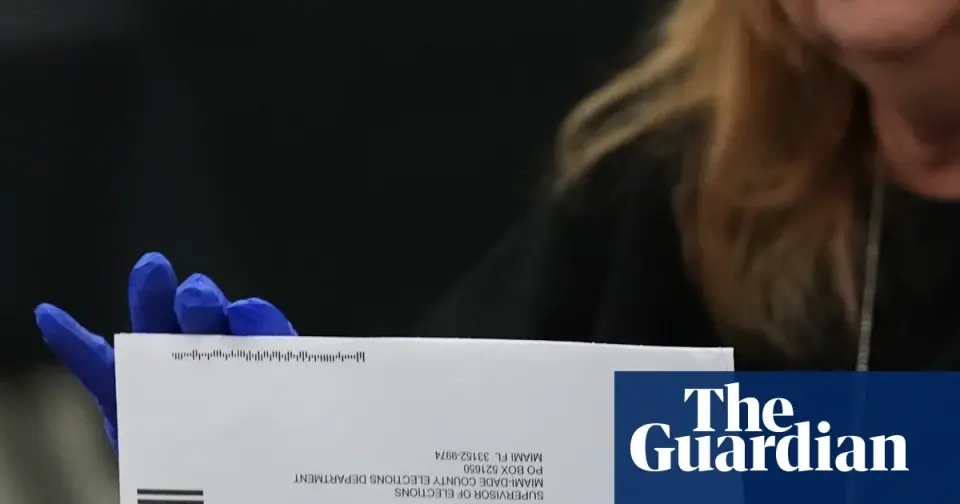
Judge Indira Talwani issued a 14-day stay on a new Postal Service regulation implementing Trump's executive order on mail voting. The ruling prevents the federal government from controlling ballot delivery ahead of the November midterms, citing the impossibility of state compliance within the remaining timeframe. This decision follows a Supreme Court ruling that had previously vacated an earlier injunction, creating a volatile legal environment for election administration.
Key points
- Judge Indira Talwani blocked a new Postal Service rule requiring states to provide voter lists and specific envelope formats for mail ballots.
- The stay is temporary, lasting 14 days, and precedes a scheduled hearing on September 3.
- The ruling comes after the Supreme Court vacated an earlier injunction, finding the initial legal challenge premature.
- The administration argues the rules ensure election security, while opponents claim they exceed federal authority and risk disenfranchisement.
- A provision requiring the Department of Homeland Security to compile voter lists remains in effect despite the partial block.
Background
This legal battle has intensified since March 2026, when President Trump issued an executive order targeting mail voting. Previous coverage noted that the Supreme Court initially allowed the administration to proceed, arguing that lower courts had acted too hastily. However, the administration subsequently issued formal Postal Service rules, prompting states and voting rights groups to refile lawsuits. The current dispute is part of a broader pattern of federal interference in state-controlled election processes, with prior rulings highlighting the tension between presidential authority and constitutional state powers.
How outlets are covering it
The Guardian emphasizes the logistical impossibility of compliance, quoting Judge Talwani on the lack of time and funds for states to update systems. NBC News highlights the legal argument that the president cannot insert the federal government into elections without congressional authorization, noting the judge found the regulation likely unlawful. The Atlantic offers a critical perspective, arguing that the Supreme Court's recent actions ignore evidentiary records and embolden attacks on democratic institutions. While the administration frames the rules as necessary for security, opponents, including New York Attorney General Letitia James, describe them as an unconstitutional attempt to interfere with state elections. The sources agree on the procedural timeline but differ in their characterization of the Supreme Court's role, with The Atlantic viewing its recent moves as an abdication of truth-telling, while NBC focuses on the specific legal merits of the new injunction.
Why it matters
The ruling directly impacts the November midterm elections, where nearly one-third of Americans vote by mail. The 14-day stay prevents the implementation of new federal controls that could disrupt ballot delivery and voter registration. It underscores the ongoing conflict between federal executive power and state election authority, with potential implications for voter access and the integrity of the upcoming vote. The legal uncertainty may continue to escalate, with the case likely returning to the Supreme Court.
What to watch
The case is scheduled for a hearing on September 3, following the refiled lawsuits. The Trump administration may seek to quickly overturn Judge Talwani's decision by appealing to the Supreme Court. The 14-day stay will expire, potentially leading to further legal challenges or implementation attempts if the stay is not extended. The outcome will determine whether the Postal Service regulation takes effect before the midterms or is permanently blocked.
- Federal judge again halts Trump’s executive order limiting mail voting in midterms The Guardian
- Judge blocks Trump’s Postal Service regulation on mail-in ballots NBC News
- Judge Once Again Bars Postal Service from Restricting Mail-in Vote The New York Times
- The Supreme Court Isn’t Interested in Facts The Atlantic
- Mail-in voting restrictions now in effect, US Postal Service says Reuters
Want the full story? Read the original reporting
Read on The Guardian