
ICE Agent Castro Faces Minnesota Court After Months-Long Extradition Dispute
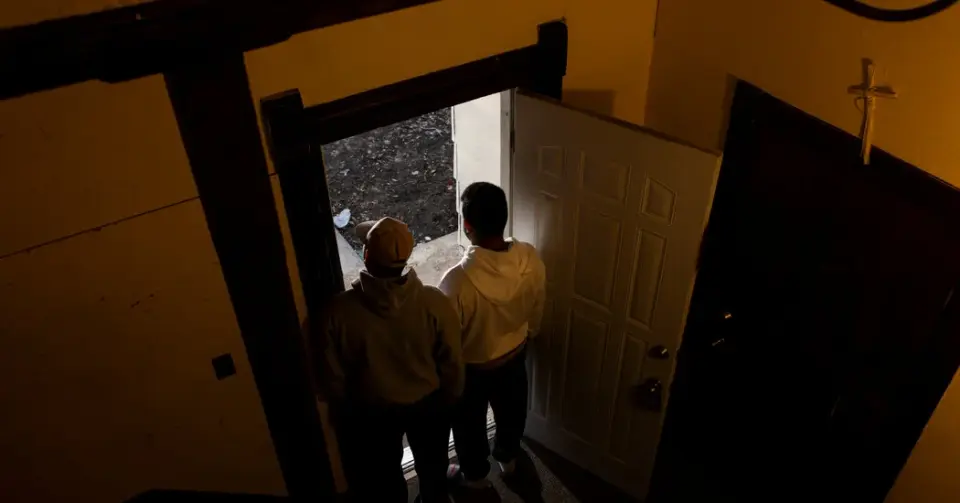
Christian Castro, a 52-year-old ICE agent, appeared in Minneapolis court on September 17, 2026, after being arrested in the city. He faces state and federal charges for shooting Venezuelan immigrant Julio Cesar Sosa-Celis in January 2026 and lying about the incident. Castro had previously spent months in a Texas jail due to an extradition dispute with Governor Greg Abbott. He was released on $200,000 bail with conditions, including an electronic monitoring device, and plans to plead not guilty.
Key points
- Castro was arrested by the Minnesota Bureau of Criminal Apprehension on September 16, 2026, after driving from Texas to Minneapolis to surrender.
- He faces four counts of felony assault with a dangerous weapon in state court and federal charges for making false statements.
- The shooting occurred on January 14, 2026, during Operation Metro Surge, injuring Sosa-Celis through a closed door.
- Castro previously claimed self-defense, citing an attack with a shovel and broom, but video evidence contradicted this account.
- Texas Governor Greg Abbott refused to sign extradition papers, leading to a legal battle and Castro's release from a Texas jail in August 2026.
- Hennepin County Judge Paul R. Scoggin set bail at $200,000 with conditions, including no firearms and electronic monitoring.
Background
This case emerged from the broader context of the Trump administration's immigration crackdown, specifically Operation Metro Surge in Minneapolis. The operation involved thousands of federal agents and led to multiple incidents, including the fatal shootings of two U.S. citizens. Castro's case is notable as the first DOJ prosecution of a federal immigration officer for actions during this operation. Previous coverage highlighted the legal and political tensions between Minnesota and Texas regarding Castro's extradition, with Abbott questioning whether Castro was a 'fugitive' since DHS reassigned him to Texas.
How outlets are covering it
The New York Times and The Guardian emphasize the legal and political dimensions, highlighting the extradition dispute with Texas Governor Greg Abbott and the role of video evidence in disproving Castro's self-defense claim. 5 EYEWITNESS NEWS and FOX 9 focus on the procedural aspects, such as the arrest, bail conditions, and the involvement of the Minnesota Bureau of Criminal Apprehension. All sources agree on the core facts but differ in emphasis: The New York Times and The Guardian frame the case within the broader context of immigration policy and accountability, while 5 EYEWITNESS NEWS and FOX 9 provide more detailed coverage of the court proceedings and local political reactions.
Why it matters
This case represents a significant moment in the accountability of federal immigration officers during the Trump-era crackdown. It highlights the tensions between state and federal authorities, the role of video evidence in challenging official narratives, and the legal challenges in prosecuting federal agents for actions during immigration operations. The outcome could set precedents for future cases involving federal officers and the limits of state power in extradition disputes.
What to watch
Castro is expected to make an initial appearance in a federal court in St. Paul on September 18, 2026, to face the federal charges. The state case will proceed in Hennepin County, with further hearings scheduled. The outcome of these cases could influence future prosecutions of federal officers and the handling of immigration-related incidents.
- ICE Agent Charged in Shooting Appears in Minnesota Court After Arrest The New York Times
- ICE agent Christian Castro appears in Minneapolis shooting case 5 EYEWITNESS NEWS
- ICE agent arrested in Minneapolis on charges of assault and false reporting of crime The Guardian
- ICE agent wanted in Metro Surge shooting is booked into Hennepin County Jail Star Tribune
- ICE Officer Christian Castro arrested in Minnesota FOX 9 Minneapolis-St. Paul
Want the full story? Read the original reporting
Read on The New York Times