
Grand Canyon flash flood kills two, leaves one missing after climate-driven storm
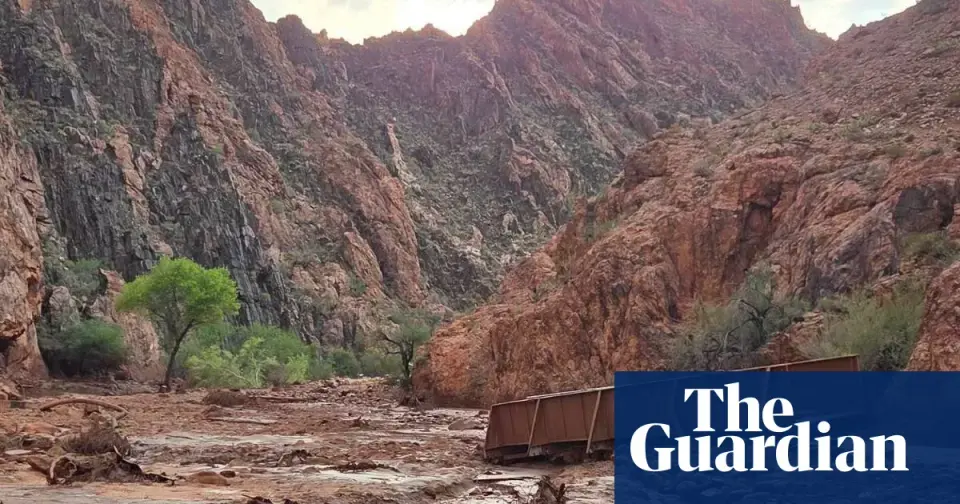
A deadly flash flood struck Grand Canyon National Park on Saturday, August 30, 2026, killing at least two people and leaving one missing. Nearly 80 individuals were rescued via helicopter after torrential rains turned Bright Angel Creek into a violent torrent. The disaster, which damaged critical water infrastructure, is attributed by The Guardian to compounding climate factors including drought and warming Pacific temperatures. CNN and AP News detailed the rapid evacuation of Phantom Ranch and the ongoing search for the missing hiker, Timothy Allen Smith.
Key points
- At least two people died and one remains missing after a flash flood hit the Grand Canyon on Saturday, August 30, 2026.
- Nearly 80 people were rescued, including visitors at Phantom Ranch, the only lodging accessible only by foot, mule, or raft.
- The flood damaged the sole water pipeline supplying the South Rim, leaving the park with only about two weeks of stored water.
- The Guardian attributes the event to climate factors such as drought, wildfire scarring, and warming Pacific Ocean temperatures.
- Search efforts for the missing hiker, Timothy Allen Smith, were hindered by heavy rain and unsafe conditions, prompting the use of drones and Border Patrol teams.
Background
This incident follows earlier reports from August 30, 2026, which noted initial evacuations and damage to 40% of the Transcanyon Waterline. The Grand Canyon is prone to flash flooding during the June to September monsoon season, but this event was exacerbated by recent drought conditions and warming trends. The park had previously issued warnings about the dangers of clear skies giving way to sudden storms in the arid landscape.
How outlets are covering it
The Guardian emphasizes the role of climate change, citing drought, wildfire scarring, and warming Pacific temperatures as drivers of the intense storm. CNN focuses on the human element, detailing the rapid evacuation of Phantom Ranch and the tragic loss of three friends, John Giusti, Brent Rosenkranz, and Timothy Allen Smith. AP News highlights the infrastructure crisis, noting that the damaged water pipeline upends a yearslong construction project and leaves the park with limited water reserves. All outlets agree on the severity of the flooding and the successful rescue of nearly 80 people, but differ in their emphasis on cause (climate vs. infrastructure vs. human tragedy).
Why it matters
The event underscores the increasing risk of extreme weather events in arid regions due to climate change. The damage to critical infrastructure, such as the water pipeline, highlights the vulnerability of national parks to such disasters. The ongoing search for the missing hiker and the potential impact on visitor access during the Labor Day weekend demonstrate the broader implications for tourism and emergency response in the US.
What to watch
Search and recovery efforts for the missing hiker, Timothy Allen Smith, will continue, aided by drones and specialized teams. The National Park Service will assess the full extent of the damage to the water pipeline and other infrastructure. Water restrictions, including the closure of overnight lodging and campgrounds, will remain in place until the pipeline is repaired. The park may face challenges in accommodating visitors during the Labor Day weekend due to limited water supplies and ongoing safety concerns.
- How intense rains in the Grand Canyon turned into a deadly disaster The Guardian
- How a scenic enclave at the bottom of the Grand Canyon turned into an epicenter of deadly destruction CNN
- US border patrol expected to aid Grand Canyon search for missing person The Guardian
- Flash flooding causes major damage to the Grand Canyon’s critical water pipeline AP News
- Grand Canyon flash flooding deaths spur questions over whether warnings could have come sooner CBS News
Want the full story? Read the original reporting
Read on The Guardian