
Russia’s Jet Drone Surge Overwhelms Ukrainian Defenses, Killing 38 in Kyiv Region
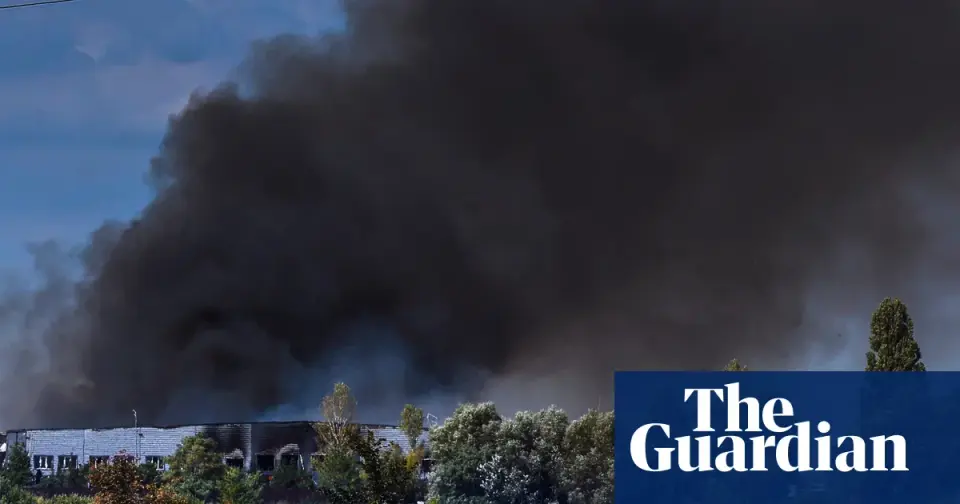
Russia has intensified its drone campaign against Ukraine, launching approximately 800 jet-powered drones in a four-day period, according to President Volodymyr Zelenskyy. These faster Geran-4 and Geran-5 models, traveling at 200-250 mph, have outpaced Ukraine’s traditional interceptors, leading to a significant drop in interception rates. A recent strike on an ammunition dump near Kyiv killed 38 people, marking one of the deadliest single attacks of the war. In response, Zelenskyy has ordered a tripling of Ukraine’s own drone strikes against Russian targets, aiming for 1,000 daily launches. While Ukraine is developing new jet-powered interceptors, the shift to faster Russian drones has forced a reliance on combat aircraft and exposed vulnerabilities in current air defense strategies.
Key points
- Russia launched roughly 800 jet-powered drones in four days, comprising over half of all drones used, according to Zelenskyy.
- A strike on an ammunition dump in Myla, near Kyiv, killed 38 people, causing hours of secondary explosions.
- Jet-powered drones travel at 200-250 mph, double the speed of piston-engine versions, making them harder to intercept.
- Ukraine’s interception rate for jet drones is lower than for conventional drones, which remain above 90%.
- Zelenskyy plans to increase Ukraine’s drone strikes on Russia to 1,000 per day, a threefold increase from current levels.
- Russia’s use of jet drones increased fivefold in July compared to June, according to the Ukrainian Air Force.
Background
This escalation follows a period of increased Russian drone activity, including a wave of 76 jet-powered drones on August 18 and the unveiling of Ukraine’s Alexa Spatium interceptor in late August. Previous reports indicated that Russia was expanding its use of Geran-3/4/5 drones, which approach cruise-missile capabilities, while Ukraine was developing faster interceptors to counter this threat. The current surge represents a significant shift in the dynamics of the conflict, testing the limits of Ukrainian air defenses and prompting a reciprocal increase in Ukrainian long-range strikes.
How outlets are covering it
The Guardian emphasizes the immediate impact of the jet drone surge, highlighting the 38 deaths in the Myla strike and the strain on Ukraine’s air defenses, noting that combat aircraft are now being used to shoot down these faster drones. Al Jazeera focuses on Zelenskyy’s strategic response, detailing his plan to triple Ukraine’s drone strikes against Russia to 1,000 per day, and mentions the CIA director’s recent visit to Moscow, which Zelenskyy referenced in his address. Ukrainska Pravda provides a quantitative analysis, citing Ukrainian Air Force spokesperson Yurii Ihnat, who reported that Russia used five times more jet-powered drones in July than in June, attributing the shift to Ukraine’s success in intercepting conventional Shahed drones. The outlets differ in emphasis: The Guardian highlights the human cost and defensive challenges, Al Jazeera focuses on the offensive counter-strategy and diplomatic context, and Ukrainska Pravda provides the statistical and tactical rationale for Russia’s shift to jet-powered drones.
Why it matters
The shift to jet-powered drones represents a critical escalation in the Russia-Ukraine war, challenging Ukraine’s air defense capabilities and increasing the human cost of the conflict. The 38 deaths in the Myla strike underscore the lethality of these faster weapons, while the drop in interception rates highlights a potential vulnerability in Ukraine’s defense strategy. Zelenskyy’s decision to triple Ukraine’s drone strikes against Russia signals a shift toward a more aggressive counter-strategy, aiming to disrupt Russian fuel supplies and military production. This dynamic could reshape the economics and tactics of the war, as both sides race to develop and deploy faster, more effective drone systems. The increased use of jet drones also raises concerns about the sustainability of Ukraine’s current defense approach and the need for new technologies to counter these threats.
What to watch
Ukraine is expected to continue developing and deploying faster interceptor drones, with four companies currently working on relevant technologies, according to Zelenskyy. The country may also increase its reliance on combat aircraft to shoot down jet-powered drones, as traditional interceptors are less effective against these faster targets. Russia is likely to continue expanding its use of jet-powered drones, given the success of recent attacks and the increased production capacity. The diplomatic context, including the CIA director’s visit to Moscow, may also influence future negotiations and the trajectory of the conflict. Ukraine’s plan to launch 1,000 drones per day against Russia could lead to increased strikes on Russian oil refineries and military production facilities, potentially impacting Moscow’s fuel supplies and export revenue.
- Russia fires 800 jet-powered drones into Ukraine in four days The Guardian
- Russia Torments Kyiv With New Tactic of Nonstop Waves of Drones The New York Times
- Ukraine’s Zelenskyy plans to hit Russia with ‘1,000 drones’ a day Al Jazeera
- Russia Is Shifting From Artillery And Tanks To FPV Drones Forbes
- Russia used five times as many jet-powered drones in July as in June Українська правда
Want the full story? Read the original reporting
Read on The Guardian