
Tropical Storm Rachel Leaves Southern California with Damaged Coastlines and Record Rainfall
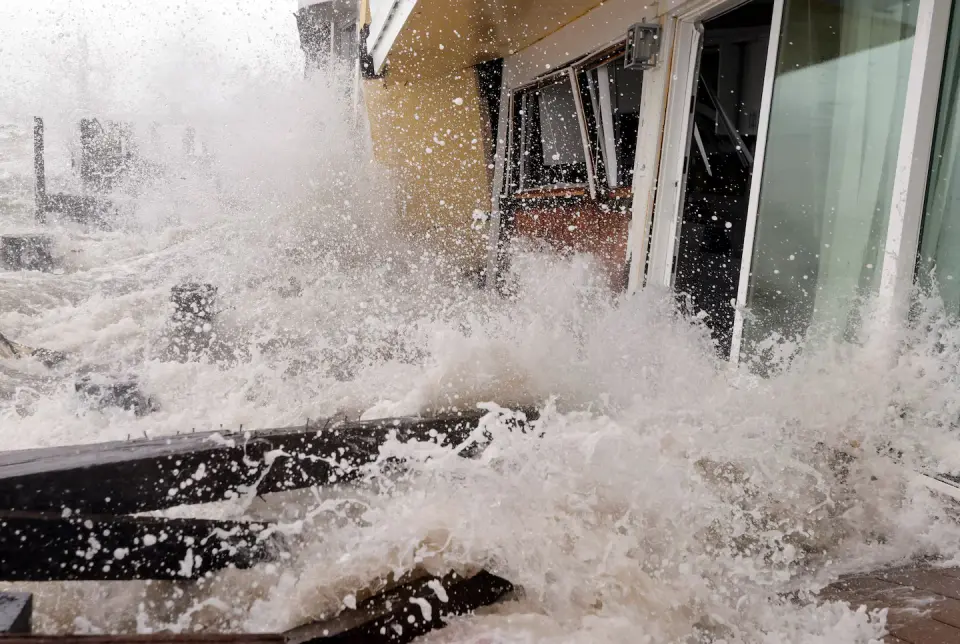
Tropical Storm Rachel battered Southern California over the weekend, causing significant coastal damage, record rainfall in San Diego County, and structural failures in Long Beach. While the region avoided a large-scale disaster, the storm exacerbated existing erosion issues and highlighted ongoing climate resilience challenges.
Key points
- High waves from Tropical Storm Rachel damaged beaches, homes, and infrastructure across Southern California, including Long Beach and San Diego County.
- San Diego County recorded heavy rainfall, with totals reaching up to 6.20 inches in mountainous areas and nearly 2 inches in coastal zones like Oceanside.
- Long Beach’s historic boardwalk collapsed further due to cumulative damage from three recent storms, leading to emergency repairs and red-tagged buildings.
- The storm’s impact was compounded by an El Niño-driven Kelvin wave, which elevated sea levels and increased coastal flooding risks.
- Officials in Long Beach are pursuing a seven-point plan for long-term coastal resilience, with estimated repair costs ranging from $1.5 million to $3.6 million.
Background
Tropical Storm Rachel marked the first tropical storm to hit California since 1939, arriving amid a record-breaking El Niño. Prior to Rachel, the region had already faced severe coastal flooding from Hurricanes Marie and Polo, creating a pattern of cumulative damage. The storm’s remnants also delivered critical rain to drought-stricken areas in Utah and Nevada, though it caused significant flooding in Las Vegas.
How outlets are covering it
The Washington Post emphasized the widespread coastal damage but noted that Southern California avoided a large-scale disaster. NBC 7 San Diego focused on the record rainfall totals, highlighting the heavy precipitation in mountainous and coastal areas. The Los Angeles Times detailed the long-term implications for Long Beach, stressing the cumulative damage from three storms and the city’s efforts to address climate resilience through emergency and permanent repairs.
Why it matters
The storm underscores the growing risks posed by climate change and El Niño conditions to coastal communities. The cumulative damage from recent storms highlights the need for long-term infrastructure investments and climate resilience strategies to protect vulnerable areas.
What to watch
Officials in Long Beach are expected to complete permanent repairs to the boardwalk and bulkhead by the end of 2026. Additional rainfall is forecast for the region, with potential further impacts from El Niño-driven storms. Long-term coastal resilience plans will be critical to addressing ongoing erosion and flooding risks.
- California beaches, homes slammed by waves from Tropical Storm Rachel The Washington Post
- Waves From Powerful Storm Pound Beach Homes in Southern California The New York Times
- How much rain fell from this storm? See rainfall totals in San Diego County NBC 7 San Diego
- Heavy surf, red-tagged homes, a battered boardwalk: Long Beach confronts costly climate reality Los Angeles Times
- Crews in Newport Beach rush to build new sand berms amid high surf, flooding KTLA
Want the full story? Read the original reporting
Read on The Washington Post