
Florida pastor convicted in 2021 assassination of Haitian president
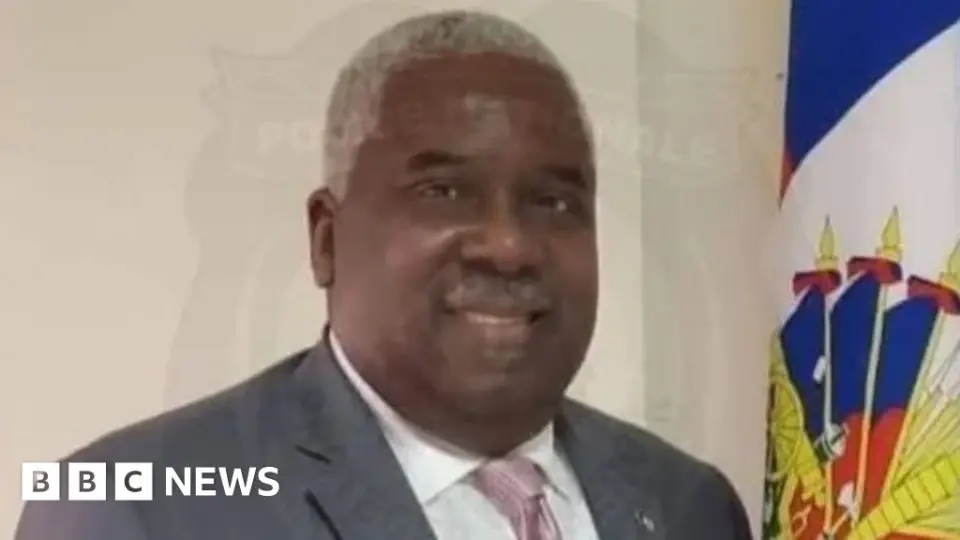
Christian Emmanuel Sanon, a 67-year-old dual US-Haitian national and Florida pastor, was found guilty on all eight counts related to the 2021 assassination of Haitian President Jovenel Moïse. The verdict follows an eight-week federal trial in Miami, where prosecutors alleged Sanon conspired to replace Moïse with himself to secure lucrative security contracts. Although co-conspirators later dropped Sanon as their presidential candidate due to lack of support, he remains accused of facilitating the plot that led to Moïse’s death. Sanon faces a potential life sentence, while his defense team maintains his innocence and plans to appeal. The conviction marks the fifth in a broader case involving over 40 defendants linked to the conspiracy, which has left Haiti without a president for five years and exacerbated gang violence.
Key points
- Sanon was convicted on all eight charges, including conspiracy to kill or kidnap a person outside the US, following a trial in Miami.
- Prosecutors alleged Sanon planned to use his position to award infrastructure and security contracts to Florida-based companies CTU Federal Academy and CTU Security.
- Co-conspirators shifted their presidential candidate to Wendelle Coq Thélot after realizing Sanon lacked constitutional qualifications and popular support.
- Sanon’s defense argued he was unaware of the plan to kill Moïse and was deceived by partners who escalated the plot from a coup to an assassination.
- The verdict was reached in less than 10 minutes of deliberation, with Sanon facing sentencing on February 10, 2026.
Background
Haiti has lacked a president since Moïse was killed in July 2021, a vacuum that intensified gang violence and prompted international military interventions. A presidential election is scheduled for next year, with Moïse’s wife, Martine, announcing her candidacy. The broader conspiracy involves over 40 indicted individuals, including former Colombian soldiers and US businesspeople, with several already convicted or pleading guilty.
How outlets are covering it
BBC and CNN report the conviction as a definitive legal outcome, emphasizing the eight-count verdict and the potential life sentence. The Miami Herald provides detailed trial dynamics, noting that the jury deliberated for less than a day and that Sanon’s defense argued he was unaware of the assassination plot. Prosecutors, however, characterized Sanon as the architect of the conspiracy, motivated by greed and power. Le Monde’s coverage is limited to a cookie consent notice, offering no substantive analysis. All sources agree on the basic facts of the conviction but differ in emphasis: US outlets focus on the legal proceedings and defense arguments, while the broader context highlights the political instability in Haiti.
Why it matters
The conviction underscores the ongoing legal and political ramifications of the 2021 assassination, which has left Haiti in a state of prolonged instability. The case highlights the role of US-based actors in foreign political violence and the challenges of prosecuting transnational conspiracies. It also reflects the broader struggle for democratic governance in Haiti, where gang violence and foreign interventions continue to shape the national landscape.
What to watch
Sanon is scheduled to be sentenced on February 10, 2026. His defense team plans to file a motion for a new trial and appeal the verdict. Meanwhile, 24 other defendants, including former government official Joseph Félix Badio and 17 former Colombian soldiers, await trial. Haiti’s presidential election remains scheduled for next year, with Martine Moïse as a candidate.
- Florida pastor found guilty over role in assassination of Haitian president BBC
- A Florida pastor has been convicted of US charges related to the 2021 assassination of Haitian President Jovenel Moïse CNN
- South Florida pastor found guilty on all counts in Haiti president assassination Miami Herald
- Florida pastor convicted in US over assassination of Haitian President Jovenel Moïse Le Monde.fr
- Florida Man Found Guilty in Plot to Kill Haiti’s President The New York Times
Want the full story? Read the original reporting
Read on BBC