
Carney and Xi Expand Trade Truce with New Tariff Cuts on Steel and Seafood
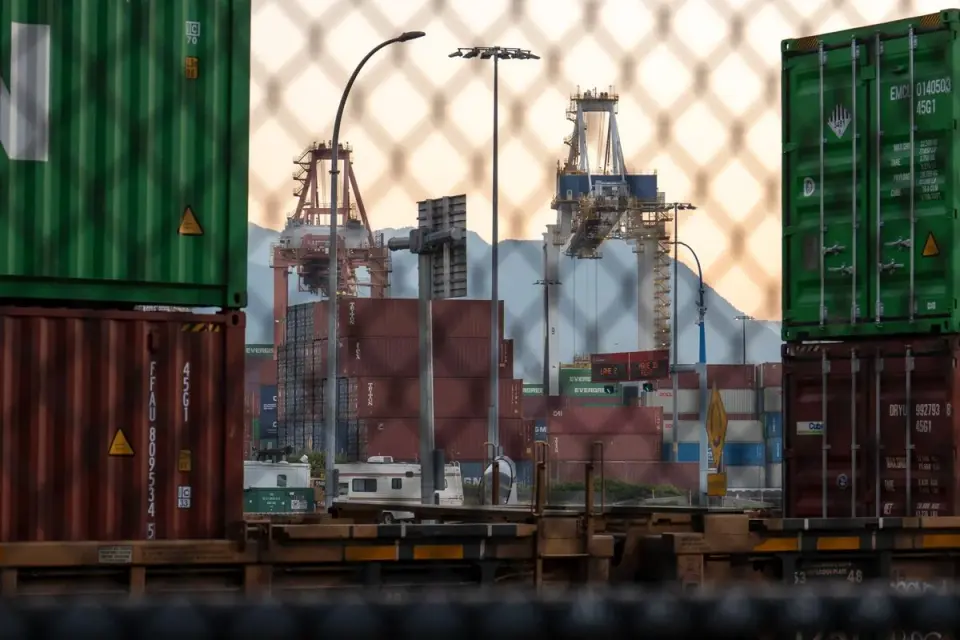
Canadian Prime Minister Mark Carney and Chinese President Xi Jinping agreed to expand their trade truce in Shenzhen, cutting tariffs on Canadian pork and seafood while extending exemptions for Chinese steel and aluminum. The deal, reached ahead of the APEC summit, aims to diversify Canada’s economic reliance on the United States amid ongoing trade tensions with Washington.
Key points
- China will provide additional tariff relief on Canadian exports valued at approximately 400 million Canadian dollars, covering frozen pork, fish, and seafood.
- Canada will extend tariff exemptions for specific Chinese steel and aluminum products for two years and add relief for 32 additional items where domestic supply is insufficient.
- The agreement builds on a January 2026 pact that reduced Canada’s tariff on Chinese electric vehicles from 100% to 6.1%, allowing 49,000 units annually with caps rising to 70,000 over five years.
- Carney stated Canada is ahead of schedule for its goal to increase exports to China by 50% by the end of the decade, citing greater predictability in bilateral relations.
- The meeting occurred a day after Carney suggested Canada could turn to Chinese automakers if US trade negotiations failed, prompting a sharp rebuke from White House adviser Peter Navarro.
Background
This expansion follows a January 2026 trade truce that significantly lowered barriers for Chinese electric vehicles and Canadian agricultural products like canola. Recent weeks have seen Canada intensify efforts to diversify trade away from the US, including concluding negotiations with ASEAN and the Philippines, and seeking associate membership in the European Union. These moves come as US tariffs have disrupted the North American auto industry, leading Carney to emphasize the need for an integrated market while exploring alternative partners.
How outlets are covering it
Bloomberg and Al Jazeera focus on the specific tariff reductions and the strategic goal of reducing US dependence, noting the deal’s role in Carney’s broader economic diversification strategy. AP News highlights the diplomatic language used by both leaders, emphasizing 'strategic partnership' and 'global stability,' while also detailing the specific commodity swaps. The New York Times frames the visit as part of Carney’s broader geopolitical maneuvering, contrasting his Asian engagements with his recent push for EU associate membership, suggesting that while Europe is politically significant, Asia offers greater economic opportunity. All sources agree that the US trade standoff is the primary driver for these expanded ties, though they differ in emphasis between economic pragmatism and geopolitical signaling.
Why it matters
The expanded trade agreement signals a deepening of Canada-China economic ties at a time when relations with the US remain strained. By securing tariff relief on key agricultural and industrial goods, Canada aims to mitigate the impact of US tariffs and diversify its export markets. This move also tests the limits of US influence in North American trade policy, as Carney’s comments about potential reliance on Chinese automakers have drawn sharp criticism from Washington, highlighting the growing friction between traditional allies.
What to watch
Canada and China will likely continue to monitor the implementation of the new tariff exemptions, particularly regarding the 32 additional steel and aluminum items. Carney’s upcoming engagements at the APEC summit may yield further trade discussions with other Asian partners. Meanwhile, negotiations with the US will remain critical, as Carney has indicated progress but no final deal, with the automotive sector remaining a key sticking point. The outcome of these talks will determine whether Canada’s diversification strategy succeeds in reducing its 72% reliance on the US market.
- China and Canada Expand Tariff Relief as Xi Meets Carney Bloomberg.com
- China and Canada expand tariff relief while Ottawa-Washington relations are strained AP News
- China, Canada expand tariff relief after Carney-Xi meeting Al Jazeera
- Canada’s Leader, Once a Curiosity at Asia Summits, Is Now a Star The New York Times
- Xi Jinping and Canada’s Mark Carney slash tariffs as China courts middle powers Financial Times
Want the full story? Read the original reporting
Read on Bloomberg.com