
Carney Urges Albertans to Reject Separation Amid U.S. Sovereignty Threats
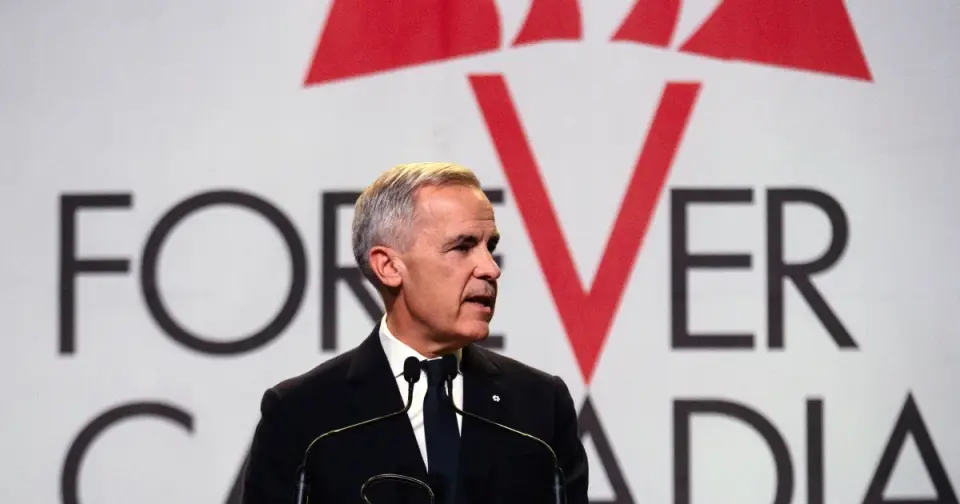
Canadian Prime Minister Mark Carney has intensified his campaign against Alberta’s separation movement, warning that a vote to leave Canada is a 'dangerous gamble' at a time of heightened U.S. aggression. With a referendum scheduled for Monday, October 19, Carney is urging voters to prioritize unity over provincial grievances, citing threats from President Donald Trump, who recently revived rhetoric about making Canada the '51st state.' While polls indicate a strong majority favor remaining in Canada, Carney emphasizes that turnout is critical to securing a decisive result. The vote is not a direct referendum on independence but a decision on whether to initiate the legal process for a future separation vote. Carney’s appeal coincides with a broader strategy to diversify trade away from the U.S., including new partnerships with the EU and China, as Canada navigates a contentious trade war and domestic political fragmentation.
Key points
- Alberta will vote on October 19 on whether to begin the legal process toward a future separation referendum, not on independence itself.
- Prime Minister Mark Carney warned that the vote comes at the 'worst possible time' due to U.S. threats to Canadian sovereignty and economic stability.
- Polls show 75% of Albertans favor remaining in Canada, but Carney stresses that high turnout is necessary to prevent complacency among pro-unity voters.
- U.S. President Donald Trump recently reiterated his claim that Canada will become the '51st state,' heightening fears of external interference.
- Carney and Alberta Premier Danielle Smith have improved relations, with Smith acknowledging progress on energy and pipeline issues, though they remain divided on immigration policies.
Background
This referendum follows a period of rising separatist sentiment in Alberta, driven by grievances over federal energy and environmental policies. The vote was called by Premier Danielle Smith after a grassroots group gathered 300,000 signatures. Recent polls indicate support for separation has dropped to 22-23%, with 72-75% favoring unity. The broader context includes a contentious U.S.-Canada trade war, with Canada retaliating against U.S. tariffs and seeking new trade partnerships with the EU and China to reduce reliance on the American market. Additionally, the Parti Québécois won a minority government in Quebec in October 2026, pledging to hold an independence referendum, though they have delayed it until after Trump leaves office in 2028, adding to concerns about national unity.
How outlets are covering it
NBC News and BBC emphasize Carney’s warning that the referendum is a 'dangerous bluff' and that the 'stakes are high' due to external threats from the U.S. Time Magazine highlights the direct link between Trump’s '51st state' rhetoric and Carney’s appeal, noting that U.S. economic pressure has become a rallying point for Canadian unity. Politico focuses on the logistical aspect of the campaign, noting that pro-unity organizers fear complacency among supporters, despite favorable polls. All sources agree that the vote is not a direct referendum on independence but a step toward one. There is a slight divergence in emphasis: NBC and BBC stress the emotional and historical ties Carney has with Alberta, while Time and Politico focus more on the geopolitical and economic implications of U.S.-Canada relations. Separatist advocates, as noted by NBC, dismiss the agreements between Carney and Smith as 'pinky promises' with too many conditions, while some Albertans criticize Smith for calling the vote at all.
Why it matters
The outcome of this referendum could signal a shift in Canadian national unity or a deepening of regional divisions. A 'yes' vote would trigger a legal process toward a future independence referendum, potentially destabilizing Canada’s economy and political landscape. Given the ongoing U.S.-Canada trade war and Trump’s aggressive rhetoric, the vote also serves as a test of Canada’s resilience and its ability to diversify trade partnerships. The result may influence future federal-provincial relations and the trajectory of Canadian sovereignty in the face of external pressures.
What to watch
Albertans will vote on October 19 on the separation question and nine other issues, including immigration and provincial powers. Carney has urged voters to reject the nine secondary questions, while Premier Smith supports them. The outcome will determine whether Alberta initiates the legal process for a future independence referendum. Separatist advocates plan a rally in Edmonton on Saturday to mobilize supporters. The result will likely influence federal-provincial relations and Canada’s broader strategy to diversify trade away from the U.S.
- Canada’s Mark Carney makes final appeal against Alberta separation ahead of referendum NBC News
- Prime Minister Mark Carney says U.S. is trying to break Canada as Alberta votes on separation path PBS
- Canada PM warns 'stakes are high' as Alberta separation vote nears BBC
- Carney Warns U.S. Is Trying to ‘Break’ Canada as Trump Revives ‘51st State’ Threat Time Magazine
- Carney returns to Alberta to make a last-minute case for unity Politico
Want the full story? Read the original reporting
Read on NBC News