
COP31 Collapses in Antalya as Nations Fail to Agree on Fossil Fuel Phaseout
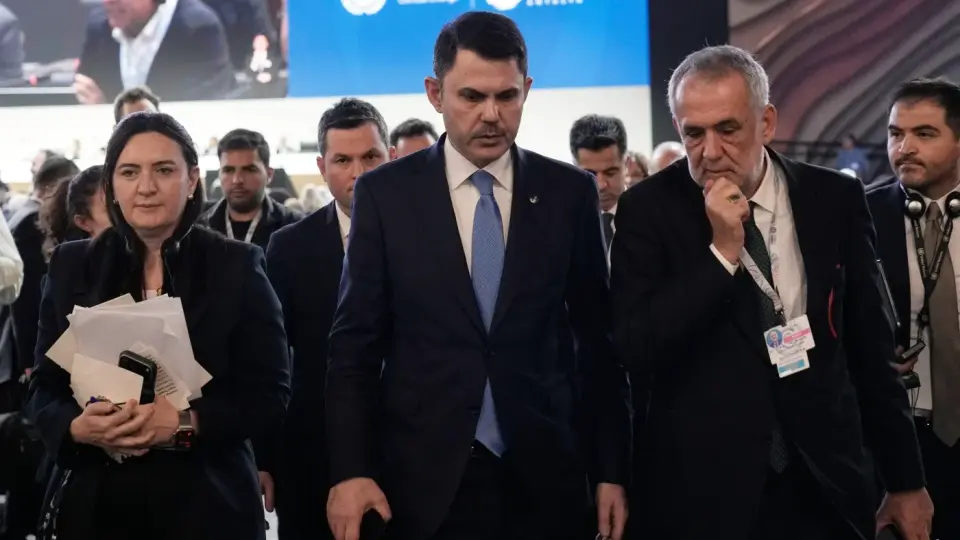
The 2026 UN Climate Change Conference (COP31) in Antalya, Turkey, ended without a final consensus agreement after nearly 200 nations failed to agree on language regarding the transition away from fossil fuels. The breakdown occurred during overtime sessions, with the European Union and several vulnerable island nations walking out in protest. This marks the first failure to adopt a global climate deal since 2009, occurring as scientific data confirms the world is on track to overshoot the 1.5-degree Celsius warming threshold.
Key points
- Negotiations collapsed Sunday after the EU, Panama, and Pacific island states rejected a draft agreement that omitted explicit language on phasing out fossil fuels.
- Oil-producing nations, led by Saudi Arabia, blocked any mention of fossil fuels, which account for approximately 73% of global emissions.
- The summit is the first in history where scientific consensus confirms the world will surpass the 1.5-degree Celsius limit, with current policies projecting a rise to 2.8 degrees.
- Developing nations criticized the deal for lacking specific financial commitments for climate adaptation, while the US was absent from the talks under President Donald Trump.
- UN officials acknowledged the failure of the consensus-based process, with the UNFCCC executive secretary stating the system requires potential reform.
Background
Previous drafts released earlier in the week had already stripped fossil fuel language, sparking outrage from delegates and activists like Greta Thunberg. The 2023 Dubai summit had previously agreed to a 'transition away from fossil fuels,' but that language was not carried forward or built upon in subsequent years due to opposition from oil-exporting countries.
How outlets are covering it
NPR and CNN emphasize the dramatic walkout by the EU and the failure to address the root cause of warming. The New York Times highlights the geopolitical clash between oil exporters and vulnerable nations, noting the US absence. BBC reports focus on the frustration of African and Pacific delegates, who argue that the fossil fuel debate overshadowed critical demands for adaptation finance. While UN officials cited progress in electrification and ocean protection, critics like former US Vice President Al Gore called the outcome an 'outrage' that exposes the need for systemic reform in the COP process.
Why it matters
The collapse signals a deepening fracture in international climate cooperation at a time when extreme weather events are intensifying. The failure to secure a binding agreement on fossil fuels and finance leaves vulnerable nations without the support needed to adapt to rising sea levels and heatwaves, potentially undermining global efforts to limit warming to 1.5 degrees.
What to watch
Ethiopia will assume the presidency for COP32 in November 2027 in Addis Ababa. UN bodies are expected to review the consensus-based negotiation model to determine if reforms are necessary to prevent future deadlocks.
- International climate talks end in disappointment NPR
- COP31 Talks Collapse in Turkey in a Clash Over Fossil Fuels The New York Times
- Global climate summit collapses as countries fail to agree on moving away from fossil fuels CNN
- COP31 climate talks in Antalya, Turkey fail to agree deal after fossil fuels row - follow live BBC
- Governments fail to reach agreement at COP31 over fossil fuel clash The Hill
Want the full story? Read the original reporting
Read on NPR