
China suppresses dissent over flash flood death toll in Tibet
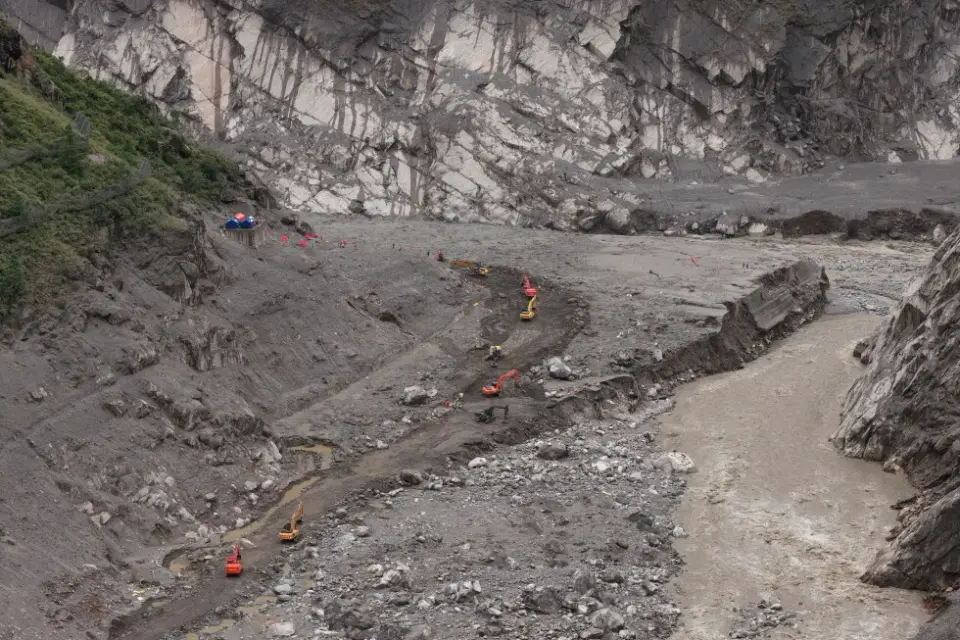
Chinese authorities are strictly controlling information regarding recent flash floods in Tibet, punishing citizens for questioning official casualty figures while restricting media access. State media have highlighted rescue efforts and disaster relief instructions from President Xi Jinping, but independent outlets report that police have detained individuals for spreading 'rumors' about the death toll. The official count has risen to 31 dead, yet some online posts suggest the actual number could be much higher. Families of the missing are using overseas social media to seek information, as domestic communication channels are heavily monitored.
Key points
- Chinese state media, including CCTV and Xinhua, have focused on official disaster relief efforts and heroic rescue operations, such as drone deployments and police comforting victims' families, while avoiding discussion of the full scale of the disaster.
- The official death toll from the flash floods has been raised multiple times, most recently to 31, but the government has historically been slow to release complete casualty figures, as seen in previous floods in Guangxi where the toll was updated a month later.
- According to Human Rights Watch, some Chinese journalists received directives not to interview family members of the dead or missing and were required to use only material from Xinhua News.
- Chinese cyberpolice have punished 10 individuals for 'spreading rumors online' about the disaster, with penalties ranging from five to 10 days in detention and fines of $150, often for questioning the official death toll.
- Relatives of missing victims, such as Peng Guangming and He Hongrong, have used overseas Chinese media outlets and social media platforms like X to share information and seek updates, as domestic communication is heavily restricted.
Background
This incident follows a pattern of Chinese government control over information during major disasters, as seen in the 2026 Guangxi floods where the death toll was significantly revised weeks after the event. It also contrasts with the open reporting of flash floods in other regions, such as the Grand Canyon and Nepal, where rescue efforts and casualty figures were widely reported by international media.
Why it matters
The suppression of information and punishment of dissent highlight the Chinese government's strategy to control the narrative during disasters, which can hinder international understanding of the true scale of the tragedy and the plight of victims' families. It also underscores the challenges faced by journalists and citizens in accessing and sharing information in a heavily monitored environment.
What to watch
The official death toll may continue to rise as more information emerges, and international pressure may increase for transparency. Families of the missing may continue to use overseas channels to seek information, and there could be further reports of censorship and punishment for dissent.
Want the full story? Read the original reporting
Read on AP News