
ICJ finds Myanmar guilty of genocide against Rohingya in historic 9-6 ruling
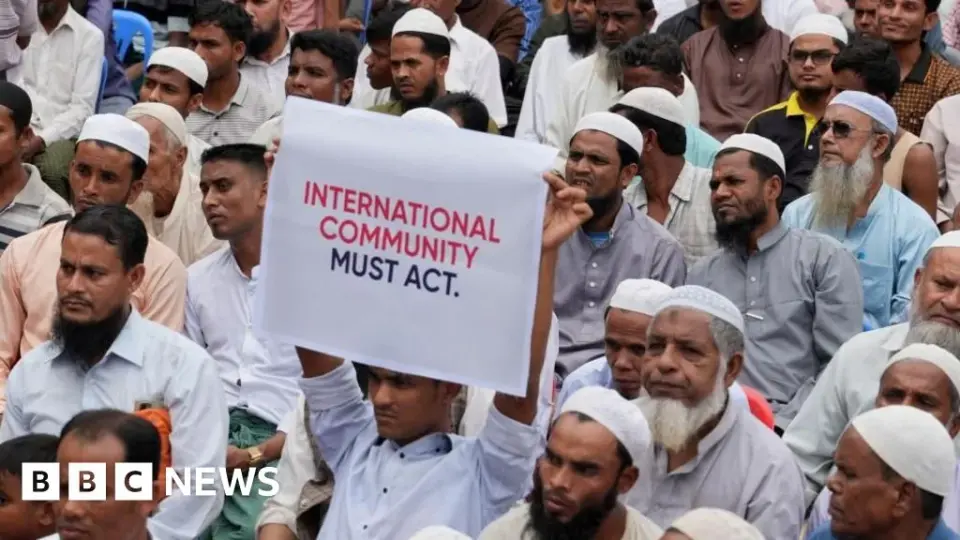
The International Court of Justice (ICJ) ruled on Thursday that Myanmar committed genocide against the Rohingya minority, marking the first time a state has been found guilty of this crime by an international court. The 9-6 decision found that Myanmar’s 2017 military crackdown in Rakhine State involved the intent to destroy a substantial part of the group, resulting in approximately 10,000 deaths and the displacement of over 700,000 people. While the ruling orders reparations, the ICJ lacks direct enforcement power, and Myanmar has denied the allegations, maintaining that its actions were counter-terrorism measures.
Key points
- The ICJ ruled 9-6 that Myanmar violated the 1948 Genocide Convention, finding 'genocidal intent' as the only reasonable inference from the evidence.
- The court determined that approximately 10,000 Rohingya were killed and 815,000 were targeted during the 2017 'clearance operations' in Rakhine State.
- Myanmar denied the claims, stating its forces were responding to attacks by the Arakan Rohingya Salvation Army (ARSA) and that it was not obliged to remain idle against terrorists.
- The ruling establishes a precedent for other pending genocide cases, including South Africa’s claim against Israel regarding the war in Gaza.
- The ICJ ordered Myanmar to pay proportionate reparations but left the exact figure for a later date, noting it lacks the power to imprison military officials.
Background
The case was brought by The Gambia in November 2019 on behalf of the Organisation of Islamic Cooperation. Prior to this ruling, the ICJ had only twice ruled on state-backed genocide claims, finding insufficient evidence in both instances. The 2017 crackdown followed decades of discrimination, including the exclusion of Rohingya from citizenship in 1982, which left them as the world’s largest stateless group.
How outlets are covering it
BBC and The Guardian emphasized the historic nature of the verdict, noting it is the first time a state has been found guilty of genocide by an international court. The New York Times and Al Jazeera highlighted the legal implications for the pending case against Israel, with experts suggesting the Myanmar ruling clarifies how genocidal intent can be established alongside armed conflict. The US State Department stated it was studying the decision to assess its implications, while expressing grave concerns over human rights abuses against Rohingya. UK Foreign Secretary Ed Miliband ordered the expulsion of Myanmar’s defence attaché and pledged further action to hold those responsible accountable.
Why it matters
The ruling sets a critical precedent for international law, potentially influencing future genocide cases, including those involving Israel and Russia. It also underscores the limitations of the ICJ’s enforcement mechanisms, as it relies on political pressure and the UN Security Council to implement its rulings. The decision may increase diplomatic pressure on Myanmar to provide reparations and facilitate the safe return of Rohingya refugees, though experts doubt the military government will comply in good faith.
What to watch
Myanmar faces the challenge of implementing the ICJ’s ruling, which includes paying reparations and facilitating the return of refugees. The ruling may influence the outcome of the pending case against Israel, with experts suggesting the Myanmar verdict strengthens the South African claim. The US and other nations are expected to monitor the decision’s implications for international law and human rights enforcement.
- Myanmar committed genocide against Rohingya minority, top UN court rules BBC
- Myanmar Genocide Ruling Sets Up Court Fight Over Israel and Gaza The New York Times
- ICJ to rule on Rohingya genocide case against Myanmar: What’s at stake? Al Jazeera
- Myanmar ruling gives new relevance to genocide convention and is ‘full of messages’ for Israel The Guardian
- Jeremy Bowen: Myanmar genocide verdict is historic and could have far-reaching implications BBC
Want the full story? Read the original reporting
Read on BBC