
ICJ Rules Myanmar Committed Genocide Against Rohingya in Historic 9-6 Verdict
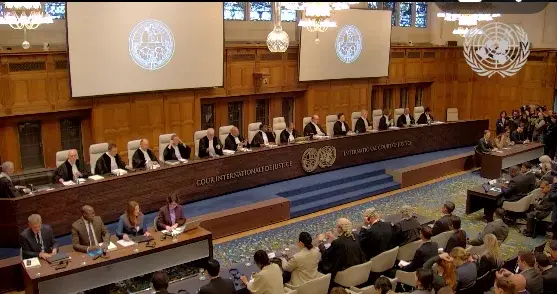
The International Court of Justice (ICJ) ruled on November 19, 2026, that Myanmar committed genocide against the Rohingya in 2017. The 9-6 decision marks the first time the court has held a state accountable for genocide. Myanmar is ordered to pay reparations and allow refugees to return, though enforcement remains uncertain.
Key points
- The ICJ found Myanmar’s 2017 'clearance operations' in Rakhine State constituted genocide, killing at least 10,000 Rohingya and causing widespread sexual violence.
- The court ruled that the only reasonable inference from the evidence was an intent to destroy a substantial part of the Rohingya group, rejecting Myanmar’s counter-insurgency defense.
- Myanmar is legally obligated to provide restitution and compensation, though the court lacks direct enforcement power.
- The ruling is expected to influence the pending South Africa v. Israel case regarding the war in Gaza, particularly regarding the standard for proving genocidal intent.
- Rights groups are calling for UN Security Council sanctions, but China and Russia are likely to block such measures.
Background
The case was brought by The Gambia in 2019, seven years after the 2017 military crackdown that forced over 700,000 Rohingya to flee to Bangladesh. Prior to this ruling, the ICJ had never held a state responsible for genocide under the 1948 Genocide Convention. The US had previously threatened to sanction ICJ judges if the court lowered the threshold for proving genocidal intent, citing concerns about the parallel case against Israel.
How outlets are covering it
Just Security and CNN emphasize the historic legal precedent and the emotional impact on survivors, noting the ruling as a 'turning point.' AP News focuses on the lack of enforcement mechanisms and the likelihood of Security Council inaction due to Chinese and Russian vetoes. The New York Times highlights the legal implications for the pending Israel-Gaza case, noting that the ICJ’s broad interpretation of 'genocidal intent' may benefit South Africa’s claims. Myanmar’s government dismissed the ruling as 'unfair' and non-unanimous, while the US State Department stated it is 'studying the decision' to assess its implications.
Why it matters
This is the first time the ICJ has found a state guilty of genocide, setting a critical precedent for international law. The ruling may influence ongoing proceedings against Israel in Gaza and could pressure the UN Security Council to consider sanctions, though enforcement remains a significant challenge.
What to watch
The UN Security Council is scheduled to hold closed consultations on the ruling next week. Gambia may pursue a resolution in the UN General Assembly. The ICJ will determine specific reparations amounts in future proceedings, while the South Africa v. Israel case continues with rebuttals due by 2027 and 2029.
- On the ICJ's Judgment in the Myanmar Genocide Case Just Security
- In historic first, UN top court rules a country committed genocide CNN
- Rights groups urge sanctions after top UN court finds Myanmar committed genocide against Rohingya AP News
- Myanmar Genocide Ruling Sets Up Court Fight Over Israel and Gaza The New York Times
- Jeremy Bowen: Myanmar genocide verdict is historic and could have far-reaching implications BBC
Want the full story? Read the original reporting
Read on Just Security