
ICJ's historic Myanmar genocide verdict sparks divergent global reactions
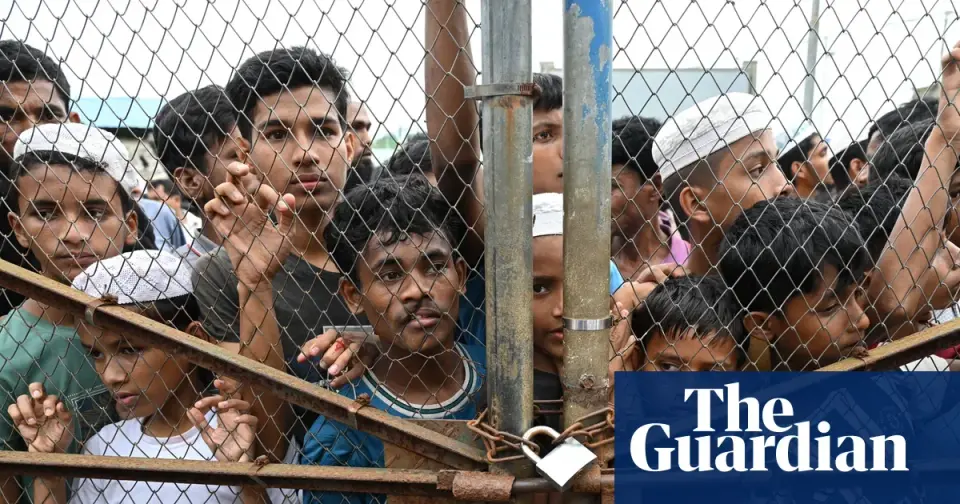
The International Court of Justice ruled that Myanmar committed genocide against the Rohingya minority, marking the first time the court has found a state responsible for this crime. While the EU and UN praised the decision as a landmark for justice, the US reacted cautiously, emphasizing the need to avoid politicizing the court. The ruling sets a significant legal precedent for other pending genocide cases, including those involving Israel and Russia, though the ICJ lacks direct enforcement power.
Key points
- The ICJ ruled 9-6 that Myanmar's 2017 military campaign in Rakhine State constituted genocide against the Rohingya, finding intent to destroy a substantial part of the group.
- The court ordered Myanmar to provide reparations, including facilitating the safe return of refugees and returning damaged property, but lacks mechanisms to enforce these decisions.
- The US State Department is studying the judgment while stressing the importance of preventing the 'politicization' of the ICJ, contrasting with the EU's call for immediate compliance.
- The ruling has implications for other pending genocide cases, notably South Africa's claim against Israel and Ukraine's case against Russia, though the ICJ has not issued final judgments in those matters.
- Approximately 1.2 million Rohingya refugees remain in Bangladesh, where they face harsh conditions and limited prospects for return to Myanmar, which is largely controlled by the military and armed groups.
Background
The ICJ's ruling follows a case brought by The Gambia in 2019 on behalf of the Organization of Islamic Cooperation. The 2017 military crackdown in Myanmar's Rakhine State led to the displacement of over 700,000 Rohingya and approximately 10,000 deaths. This is the first time the ICJ has found a state responsible for genocide under the 1948 Genocide Convention, setting a precedent for future cases.
How outlets are covering it
The EU and UN Secretary-General António Guterres praised the ruling as a 'landmark' and a demonstration of international justice, urging Myanmar to comply without delay. The US, however, reacted with caution, stating it was examining the judgment while emphasizing the need to avoid 'politicization' of the ICJ, reflecting the Trump administration's broader skepticism toward international legal institutions. The Jerusalem Post highlighted the ruling's implications for the Israel-Gaza case, arguing that genocide must be proven, not proclaimed, and that the ICJ's rigorous standard for intent should apply to all cases. CNN and The New York Times focused on the emotional impact on Rohingya refugees in Bangladesh, who celebrated the ruling but remain uncertain about its practical effects on their lives and prospects for return.
Why it matters
The ICJ's ruling establishes a precedent for holding states accountable for genocide, potentially influencing other pending cases. However, the lack of enforcement mechanisms and Myanmar's likely non-compliance raise questions about the practical impact on the Rohingya, who remain displaced and face ongoing hardships. The divergent international reactions also highlight the political complexities surrounding international law and its application in conflict zones.
What to watch
Myanmar is expected to resist the ICJ's orders, and the UN Security Council may need to intervene to enforce the ruling. The ICJ's decision could influence the outcomes of other genocide cases, including those involving Israel and Russia. Rohingya refugees in Bangladesh will continue to face harsh conditions, with limited prospects for return to Myanmar, which remains under military control and conflict.
- US reacts cautiously to Myanmar genocide ruling as EU praises ‘critical’ role of UN’s top court The Guardian
- In historic first, UN top court rules a country committed genocide CNN
- ICJ ruling on Myanmar shows that declaring a genocide is not enough The Jerusalem Post
- In a Rohingya Refugee Camp, Jubilation but Also Apprehension The New York Times
- Myanmar’s regime is convicted of genocide The Economist
Want the full story? Read the original reporting
Read on The Guardian