
Army Postpones Iowa Lead Azide Detonation to Monday Amid Health and Safety Concerns
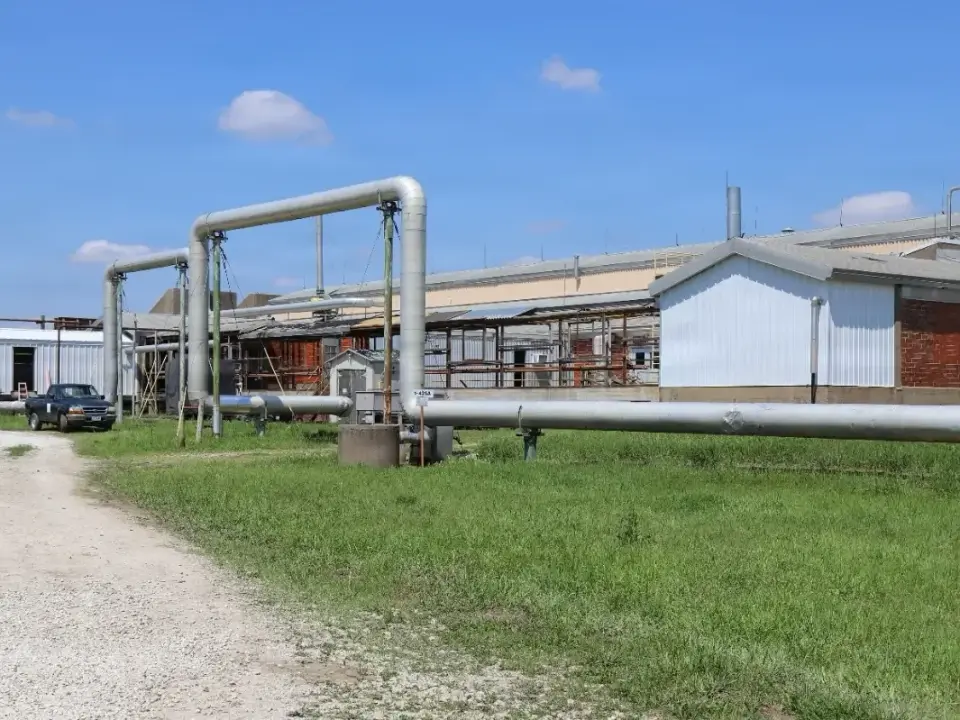
The U.S. Army has delayed a planned controlled detonation of unstable lead azide at the Iowa Army Ammunition Plant in Middletown from November 20 to November 23. Acting Army Secretary Adam Telle cited public safety as the primary reason for the postponement. The operation involves destroying 68 barrels of degraded material that became too sensitive to transport. Officials in Illinois and Iowa had raised concerns about potential lead dust exposure, with the Army estimating the plume could travel up to 60 miles. The delay follows pressure from Iowa Governor Kim Reynolds and an emergency lawsuit filed by environmental groups.
Key points
- The controlled detonation at the Iowa Army Ammunition Plant in Middletown was postponed from Friday, Nov. 20, to Monday, Nov. 23, according to acting Army Secretary Adam Telle.
- The operation targets 68 barrels of lead azide that recrystallized during storage, making them too unstable to move safely due to high sensitivity to friction and shock.
- The EPA issued an emergency permit on Nov. 13 authorizing the Army to destroy the hazardous material in place after evaluating alternatives.
- Illinois officials, including Gov. JB Pritzker, demanded greater transparency and environmental monitoring, noting that the plume could affect Mercer County and surrounding areas in western Illinois.
- The Army recommended precautions for residents, including staying indoors, sealing windows, and wet-cleaning surfaces to reduce exposure to airborne lead particles.
- Iowa Governor Kim Reynolds stated she spoke with Telle and requested the delay, which was granted after an emergency lawsuit by environmental groups and public outcry.
Background
This incident follows earlier warnings in late October and November 2026 regarding potential respiratory issues from pollution and harvest dust. The current situation is a direct result of the long-term storage of lead azide at the Iowa Army Ammunition Plant, which has been a point of contention for local communities and environmental groups. The delay to Nov. 23 is the latest development in a series of actions taken to mitigate the risks associated with the unstable material.
How outlets are covering it
The New York Times emphasized the potential for a toxic cloud of lead dust to travel up to 60 miles, highlighting the neurotoxic risks to children and pregnant women. KCRG focused on the immediate decision to delay the blast, citing Acting Secretary Adam Telle's statement on public safety and Governor Kim Reynolds' role in requesting the postponement. IL Patch highlighted the concerns of Illinois officials, particularly Gov. JB Pritzker, who pressed federal authorities for more transparency and detailed environmental monitoring in potentially affected areas like Mercer County. While the Army and EPA focused on the technical necessity of the detonation due to the material's instability, local and state officials in both Iowa and Illinois prioritized public health and the need for comprehensive testing and public notification.
Why it matters
The delay of the lead azide detonation underscores the ongoing tensions between federal military operations and local public health concerns. The potential for lead dust to affect communities in both Iowa and Illinois has raised significant environmental and health issues, prompting demands for greater transparency and rigorous monitoring. The decision to postpone the blast reflects the Army's response to public pressure and legal challenges, highlighting the importance of balancing safety with environmental responsibility in hazardous material management.
What to watch
The Army is expected to proceed with the controlled detonation on Monday, Nov. 23, provided conditions are favorable. The Army will continue to coordinate with state and local officials to share accurate and up-to-date information. Residents in affected areas are advised to monitor official updates and follow recommended precautions, including staying indoors and wet-cleaning surfaces. The EPA and Illinois officials will likely continue to push for comprehensive environmental testing and public reporting of results to ensure the safety of the community.
- Iowa Army Blasts Could Send Lead Dust Into Illinois, Officials Warn Patch
- Amid Outcry, Army Delays its Plan to Blow Up Toxic Ammunition in Iowa The New York Times
- Army delays planned detonation in Iowa that could spread toxic plume into Illinois CBS News
- Army releases new maps showing potential locations of lead exposure during Friday's controlled detonation WQAD
- Friday’s lead azide detonation delayed to Monday KCRG
Want the full story? Read the original reporting
Read on Patch