
Iran offers US a compressed seven-day plan to reopen Hormuz and restart nuclear talks
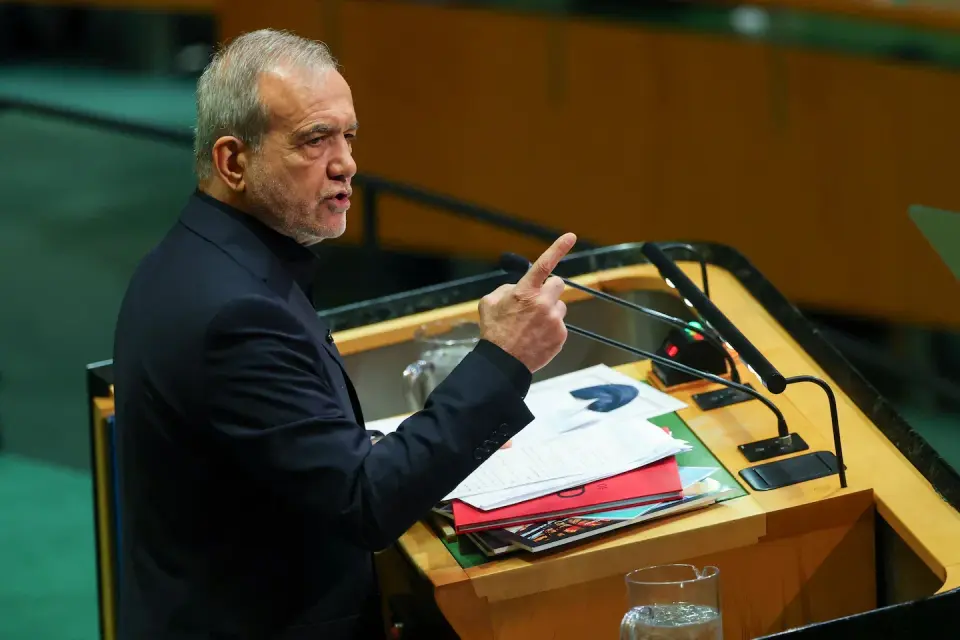
Iran has submitted a new proposal to the US administration, delivered via Qatari mediators at the UN General Assembly, to reopen the Strait of Hormuz within seven days and immediately begin nuclear negotiations. The plan, which mirrors a failed June agreement but accelerates the timeline, requires the US to lift sanctions and end military operations on all fronts, including in Lebanon, before the strait reopens. While Tehran awaits a response, analysts note significant hurdles, including US demands for immediate nuclear concessions and potential Israeli opposition to Iranian control over the waterway.
Key points
- Iranian Foreign Minister Abbas Araghchi confirmed that a proposal was delivered to US officials through Qatari intermediaries this week.
- The plan proposes reopening the Strait of Hormuz within seven days, followed by the start of nuclear talks, contingent on US sanctions relief and a ceasefire.
- The proposal condenses the timeline of a previous June memorandum of understanding, which allowed 60 days for peace talks before addressing nuclear issues.
- Iranian officials have consulted with China, which supports the proposal, but Saudi Arabia has pulled back from endorsing the route due to Houthi attacks.
- US Secretary of State Marco Rubio cautioned against describing the recent meetings as a major breakthrough, while Trump threatened 'annihilation' if no deal is reached.
Background
This development follows a series of stalled negotiations since a June memorandum of understanding collapsed. In August, President Trump floated the idea of declaring the Strait of Hormuz US territory and threatened to bomb Oman if it interfered with talks. More recently, in mid-September, Trump planned meetings with Gulf Cooperation Council leaders in New York to discuss the conflict, though no formal schedule was set for direct US-Iran talks.
How outlets are covering it
The Washington Post highlights the core offer: a seven-day timeline to reopen the strait and restart talks, emphasizing that the conditions are not new. Al Jazeera provides a detailed breakdown of the sequence, noting that Iran wants a ceasefire and sanctions relief before the strait opens, whereas the US insists on discussing the nuclear program immediately. Al Jazeera also points out that analysts doubt the US will accept this compartmentalized approach. The Guardian adds nuance regarding regional dynamics, noting that Iran has consulted with China and that Saudi Arabia has withdrawn support due to Houthi attacks. The Guardian also reports that Iranian officials fear Israel will influence the US to reject the proposal, while noting that Brent crude prices remain high at $107 per barrel, adding economic pressure on both sides.
Why it matters
The Strait of Hormuz is a critical global oil chokepoint; its closure has driven energy prices higher and disrupted global trade. A resolution could lower fuel costs ahead of US midterm elections, a key concern for the Trump administration. However, the deadlock over the sequencing of sanctions relief and nuclear talks threatens to prolong the conflict and economic instability in the Middle East.
What to watch
Iranian Foreign Minister Abbas Araghchi is remaining in New York over the weekend to await a response from the US. If the US accepts the plan, the seven-day timeline could begin immediately. However, without a response, the status quo of a naval blockade and stalled negotiations is likely to continue, with potential escalation if the US rejects the terms or if Israel intervenes.
- Iran says it has given Trump administration new proposal for peace talks washingtonpost.com
- Iran Proposes 7-Day Plan to End War The New York Times
- What’s in Iran’s seven-day plan to reopen the Strait of Hormuz? aljazeera.com
- Iran awaiting response from Trump on proposal to open strait of Hormuz in six days The Guardian
- US and Iran discuss phased deal to reopen Hormuz and end US blockade, sources say Reuters
Want the full story? Read the original reporting
Read on washingtonpost.com