
Oil Prices Defy Trump’s Iran Ceasefire Pledge Amid Renewed Strike Preparations
President Trump’s pledge to halt airstrikes against Iran before the November 3 midterms failed to lower oil prices, which rose 4% to $104.28 per barrel. Markets ignored the announcement due to reports that the Pentagon is preparing for renewed strikes, concerns over Iranian proxy attacks in Saudi Arabia, and Hurricane Isaias disrupting Gulf of Mexico operations. While Trump claimed 'productive discussions' with Tehran, officials indicated military options remain on the table, with potential strikes targeting energy and nuclear infrastructure.
Key points
- Brent crude closed at $104.28, up 4%, while U.S. crude rose 3.6% to $91.49, ignoring Trump’s pledge to pause attacks before midterms.
- The Pentagon instructed Central Command to prepare for resuming major combat operations, potentially including massive bombing of Iranian energy and nuclear targets.
- Trump stated he no longer wants a deal with Iran but noted 'productive discussions,' while White House officials claimed the U.S. holds all cards due to Iran’s economic collapse.
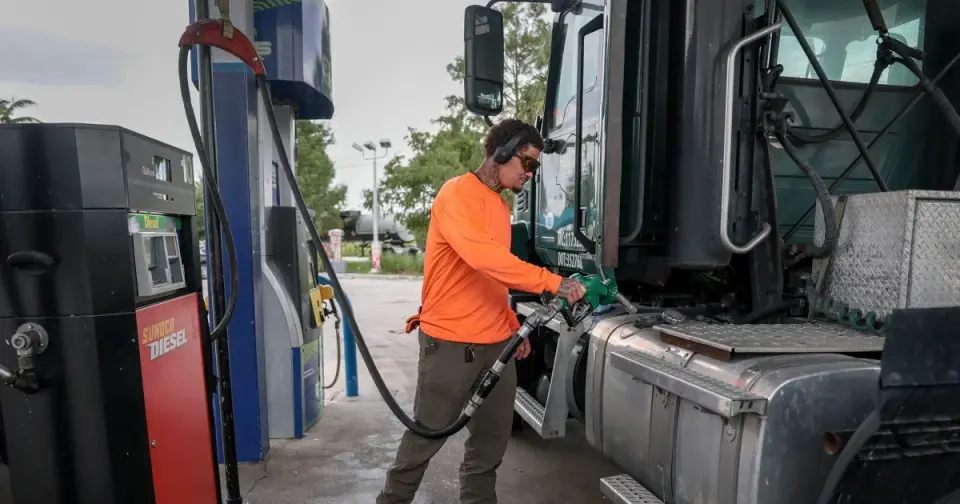
- Retail gas prices reached $4.36 per gallon, a 45% increase since the war began in February, while diesel hit $6.28, up 70%.
- Traffic through the Strait of Hormuz averaged fewer than 23 ships daily in late September, down from hundreds pre-war, though CENTCOM insists the route remains open.
Background
Since September, Trump has framed the Iran conflict as a key midterm issue, warning that oil prices would not fall until after the election. Earlier in October, oil briefly dipped below $100 as Trump signaled diplomacy, but prices have since rebounded due to sustained regional tensions and supply chain disruptions.
How outlets are covering it
NBC News and CNBC emphasize that markets dismissed Trump’s ceasefire pledge due to credible reports of imminent military escalation and high fuel costs driving voter discontent. Axios highlights the Pentagon’s directive to prepare for strikes before midterms, noting potential coordination with Israel. Fox News focuses on Trump’s rhetoric regarding Iran’s economic collapse and the 'easy way or hard way' approach, while also reporting on CENTCOM’s rejection of Iranian claims that the Strait of Hormuz is closed. Iranian officials, cited by Fox, accused the U.S. of 'false flag' operations to justify the war, contrasting with U.S. claims of diplomatic progress.
Why it matters
The disconnect between diplomatic rhetoric and military preparation creates significant uncertainty for global energy markets. With oil prices elevated and gas costs rising sharply, the conflict directly impacts consumer wallets and midterm election outcomes. Any escalation could push Brent crude toward $120-$150 per barrel, as warned by analysts, exacerbating inflation and political polarization.
What to watch
Watch for any official announcement of strikes before November 3, the status of U.S.-Iran negotiations mediated by Qatar, and potential shifts in Strait of Hormuz traffic. Also monitor how oil prices react to any further military posturing or diplomatic breakthroughs in the coming weeks.
- Oil prices hit $105 and stocks tumble as Trump considers renewed strikes on Iran NBC News
- Trump says he doesn't want Iran deal as U.S. reportedly prepares for 'massive bombing' CNBC
- Military ordered to be ready for possible Iran strikes as Trump weighs timing Axios
- Trump weighs Iran strikes ahead of midterms as White House warns of 'easy way or hard way' Fox News
- Oil prices surge 5% on reports of possible Iran strikes Quartz
Want the full story? Read the original reporting
Read on NBC News