US envoys claim Russia accepts a NATO-style security guarantee for Ukraine, sparking cautious optimism in Europe despite Moscow’s explicit rejection and unresolved details on troop deployment.
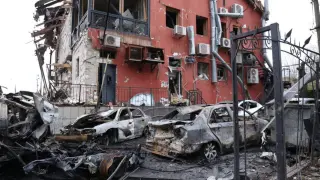
A Russian ballistic missile and drone barrage struck Kryvyi Rih, President Volodymyr Zelensky’s hometown, killing a seven-year-old boy and a 20-year-old paramedic while wounding 60 others. The attack, described as a 'triple-tap' strike, occurred during a broader Russian assault that also saw missiles land in Poland, prompting NATO to call it a 'grave violation' of airspace.
Russia declared EU foreign policy chief Kaja Kallas unacceptable for peace negotiations, warning her participation would derail talks. This follows her exclusion from the official EU negotiating team by leaders in Dublin. While Kallas demands an immediate ceasefire and maximalist concessions from Moscow, some European governments advocate for gradual confidence-building measures, highlighting a strategic divide within the EU.
US envoys have proposed that Ukraine could join NATO if it cedes control of the eastern Donbas region to Russia. Ukrainian President Volodymyr Zelensky confirmed the offer but rejected the territorial concession, demanding a comprehensive security package instead. While US officials claim Russia is 'comfortable' with the idea, Moscow has not formally accepted it, and European leaders remain skeptical of vague security guarantees.
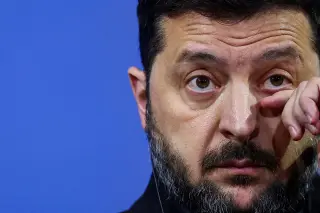
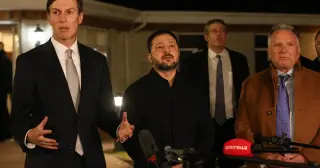
Ukrainian President Volodymyr Zelenskyy has pressed the United States for concrete details regarding a proposed Article 5-style security guarantee, warning that a future Russian attack is inevitable. While US envoy Jared Kushner claimed Moscow is 'comfortable' with such assurances, Zelenskyy questioned the practical implications, including potential US troop deployments. Separately, Zelenskyy revealed that Washington floated a proposal for Ukraine to join NATO in exchange for ceding the Donbas region, a trade Kyiv has not yet accepted.
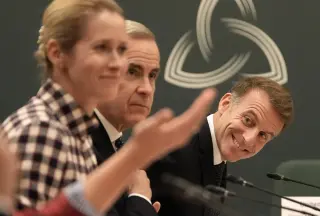
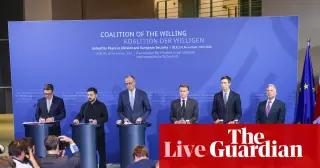
European leaders in Berlin rejected a 'Yalta-style' peace deal, demanding a seat at the table for Ukraine and Europe. While US envoys claimed Moscow is open to Article 5-like security guarantees, European leaders emphasized that Ukraine must remain central to any settlement. The EU proposed a 45 billion-euro loan for 2027, but a 25 billion-euro funding gap remains.
Ukraine is urgently requesting air defense interceptors and funding from allies to protect civilian infrastructure and maintain leverage in upcoming peace negotiations. While the UK and Germany have announced new military aid packages, NATO members are currently €7 billion short of their annual pledge. Kyiv warns that a lack of Patriot interceptors could force concessions in talks with Russia, which has reportedly demanded territorial withdrawals and NATO retreats.
European leaders are alarmed by US proposals to renegotiate Europe’s security architecture, viewing it as a trap that echoes Russian maximalist demands. While Washington seeks a comprehensive deal, Europe insists on a ceasefire first and rejects any role for Russia in defining continental defense. Simultaneously, EU foreign policy chief Kaja Kallas has been excluded from the official negotiating team, highlighting internal divisions over who represents Europe in peace talks.
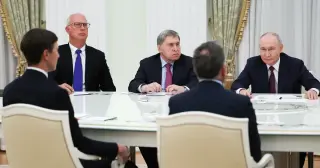
Russian negotiators have revived pre-invasion demands requiring NATO to withdraw troops to 1997 positions, a stance European and US officials describe as non-negotiable. While US envoys seek a deal, Russia inflates its territorial gains and excludes Europe from talks, creating a significant barrier to peace.
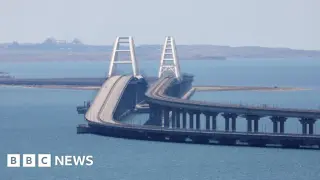
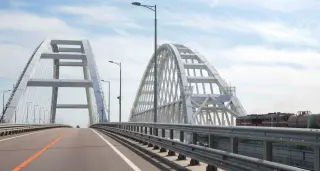
Ukraine launched its largest overnight drone attack since the war began, sending 1,336 drones across 16 Russian regions. A strike on the Kerch Bridge, linking Russia to occupied Crimea, caused minor damage and temporary traffic restrictions. Russian officials reported intercepting over 2,000 drones and missiles, while Ukrainian strikes also targeted oil refineries. The attack occurred days after failed US-brokered peace talks, with Moscow maintaining hardline territorial demands.
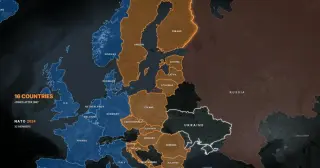
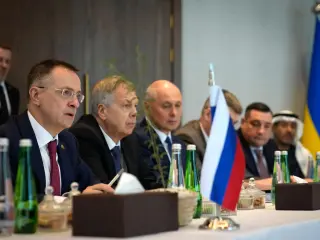
Russian negotiators presented maximalist demands in Abu Dhabi that would dismantle NATO’s post-Cold War structure, including withdrawing troops from Eastern Europe and banning nuclear sharing. While the US floated Ukraine’s NATO membership in exchange for territorial concessions, Kyiv rejected the premise, and European leaders are now being integrated into future talks to counter Moscow’s attempt to divide the West.
Ukraine executed its largest overnight drone attack since the 2022 invasion, deploying 1,336 drones across 16 Russian regions. The barrage struck the Crimean Bridge, halting road traffic, and targeted oil refineries in Krasnodar and Rostov. President Zelenskyy claimed the strikes have disabled over 55% of Russian refining capacity, a figure Moscow did not verify. The attack occurred shortly after US-brokered peace talks concluded without a breakthrough.
Ukrainian President Volodymyr Zelensky stated that US negotiators have, for the first time, proposed that Ukraine withdraw from parts of the eastern Donbas region in exchange for NATO membership. Zelensky rejected the premise of ceding sovereign territory but indicated he would submit a comprehensive security package to a national referendum if it included firm guarantees, military funding, and reconstruction aid. The comments followed US-mediated talks in Abu Dhabi and Moscow, where prisoner exchanges were agreed upon but no breakthrough on ending the war was achieved. Zelensky warned that broader European security discussions could empower Russia to redraw borders and weaken NATO, while Moscow continued to demand Ukrainian neutrality and territorial concessions.
Ukrainian President Volodymyr Zelenskyy stated that US negotiators have, for the first time, proposed that Ukraine withdraw from parts of the eastern Donbas region in exchange for NATO membership. Zelenskyy rejected the premise of ceding sovereign territory but indicated he would submit a comprehensive security package to a national referendum if it included firm guarantees, military funding, and reconstruction aid. The comments followed US-mediated talks in Abu Dhabi and Moscow, where prisoner exchanges were agreed upon but no breakthrough on ending the war was achieved. Zelenskyy warned that broader European security discussions could empower Russia to redraw borders and weaken NATO, while Moscow continued to demand Ukrainian neutrality and territorial concessions.
US negotiators have proposed that Ukraine cede control of the remaining Donbas territories it holds in exchange for NATO membership, according to President Volodymyr Zelenskyy. While Kyiv rejects immediate territorial loss, Zelenskyy indicated he would submit a comprehensive security package to a national referendum if it included firm guarantees, military funding, and reconstruction aid. Moscow has not responded but maintains its stance that Ukraine must remain neutral and demilitarized.