
Nepal’s temporary burial of flood victims sparks religious and ethical debate
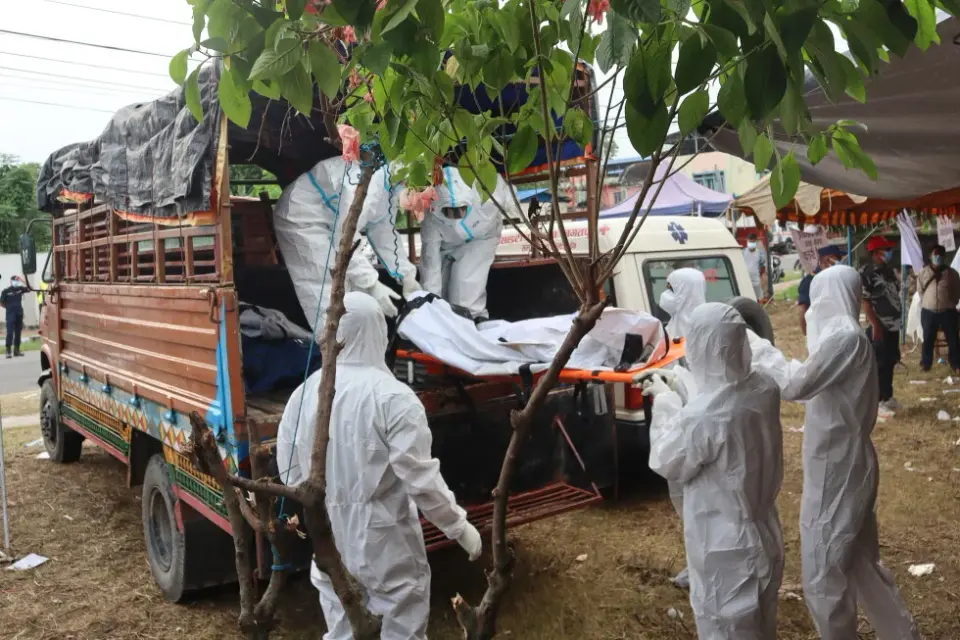
Nepal authorities have temporarily buried nearly 200 unidentified bodies from the August 2026 Himalayan floods to address health risks and storage shortages. While officials cite international disaster protocols, the move has drawn sharp criticism from families and former leaders who argue it violates Hindu cremation traditions and lacks proper consent.
Key points
- Nepal’s disaster agency reports 903 confirmed deaths and 4,247 missing, with over 900 hydropower workers still unaccounted for.
- Police in southern Nepal buried 199 unidentified bodies in a forest after medical stocks for DNA testing ran low.
- Officials state the burials are temporary and allow for future exhumation if identities are confirmed.
- Former Prime Minister Baburam Bhattarai criticized the action, arguing authorities should have established temporary morgues instead.
- The USGS confirms the event was triggered by a glacier collapse that generated energy equivalent to a magnitude 5.2 earthquake.
Background
This crisis follows a catastrophic debris avalanche and flash flood on August 26, 2026, triggered by a glacier collapse in Langtang National Park. The event traveled nearly 100 kilometers, destroying infrastructure and villages along the Nepal-China border. Previous coverage highlighted the overwhelming strain on local morgues and the arrival of international aid for body identification and transport.
How outlets are covering it
AP News highlights the cultural sensitivity of the issue, noting that Nepal is predominantly Hindu and that families object to burial without consent. CNN emphasizes the logistical desperation, reporting that police buried bodies in a forest because freezers and DNA equipment were exhausted. USGS provides the scientific context, confirming the geological scale of the disaster. While officials defend the action as a temporary measure aligned with Red Cross protocols, critics like former PM Bhattarai argue it was an inappropriate disposal of remains before search operations concluded.
Why it matters
The temporary burial of victims highlights the severe logistical and ethical challenges facing disaster response in the Himalayas. It underscores the tension between immediate public health needs and deep-seated cultural and religious practices regarding the dead, raising questions about how international aid and local traditions intersect in catastrophic events.
What to watch
Authorities are continuing to search hydropower tunnels for survivors and expect to exhume remains if families can verify identities later. China is monitoring eight high-risk geological points near the border for potential landslides, while Nepal continues to manage the recovery of bodies and infrastructure.
- In one Nepal district, flood catastrophe is measured in bodies and burial trenches AP News
- Before Nepal’s Floods, Hindu Pilgrims Sought the Divine at Mount Kailash The New York Times
- Nepal-China floods latest: Rescuers rappel into hydropower tunnels in race to find survivors CNN
- 2026 Nepal Debris Avalanche and Flash Flood | U.S. Geological Survey usgs.gov
- Nepal teams seek hundreds trapped in hydropower tunnels after deadly floods Reuters
Want the full story? Read the original reporting
Read on AP News