
Pezeshkian Offers Uranium Dilution and Verification Amidst Ongoing US-Iran Conflict
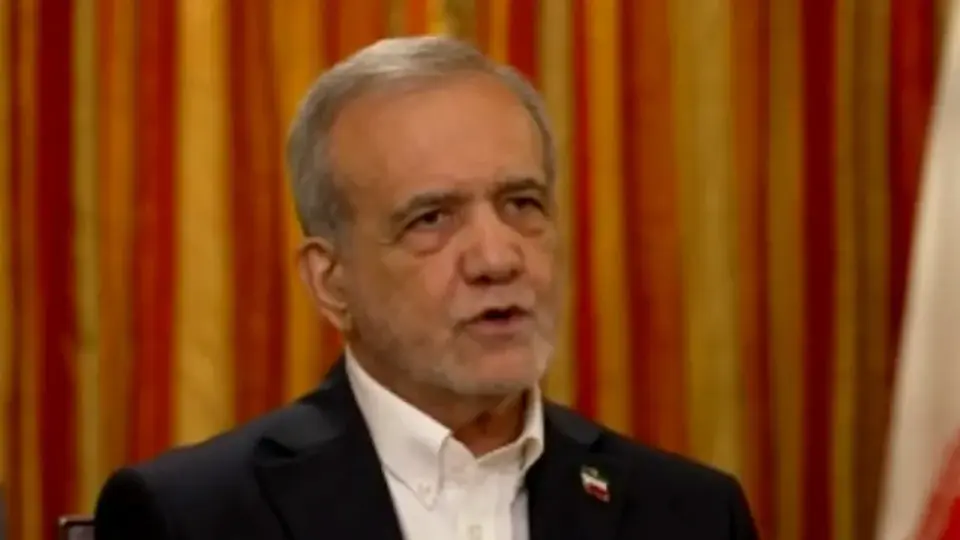
Iranian President Masoud Pezeshkian stated that Tehran is willing to dilute its uranium stockpile and submit to international verification, while blaming the United States for the ongoing conflict and the collapse of previous diplomatic efforts.
Key points
- Pezeshkian denied that Iran seeks a nuclear bomb, citing religious decrees against weapons of mass destruction.
- The president offered to lower uranium enrichment levels and allow outside inspectors to verify compliance.
- He blamed Washington for the breakdown of the June memorandum of understanding and subsequent military strikes.
- Pezeshkian confirmed a recent seven-hour meeting with Supreme Leader Mojtaba Khamenei, asserting the latter remains in charge.
- The interview highlighted Iran's resistance to US sanctions and its refusal to accept blame for the conflict.
Background
This development follows a period of escalating tensions, including a collapsed ceasefire and expanded sanctions from the UK and US. Previous reports indicated that a comprehensive nuclear deal might be delayed until a new Iranian administration, with military action considered as an alternative. The current situation builds on a June memorandum of understanding that failed to prevent hostilities, leading to a blockade and strikes on Iranian targets.
Why it matters
The offer to dilute uranium and accept verification represents a potential diplomatic opening after months of military conflict and failed negotiations. It tests whether the US is willing to engage in dialogue despite ongoing sanctions and strikes, potentially influencing regional stability and oil markets.
What to watch
The US response to Iran's offer of verification and dilution will determine if diplomatic channels reopen. The outcome may depend on whether Washington accepts the terms or continues its pressure campaign, potentially leading to further escalation or a renewed negotiation process.
Want the full story? Read the original reporting
Read on foxnews.com