
Russia confirms no plague in contacts of deceased Siberian lab worker
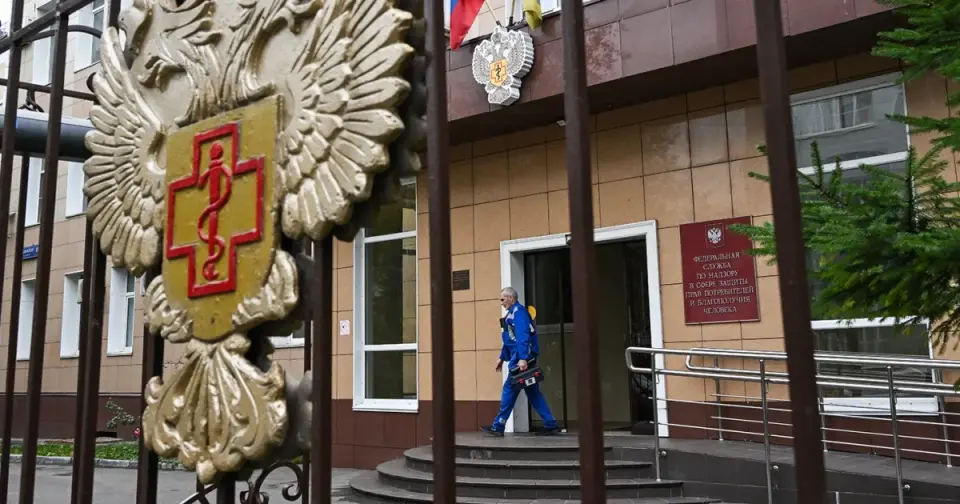
Russian health officials report that plague was not detected among the close contacts of a 28-year-old laboratory worker who died in Siberia. While 60% of identified contacts have been tested, results show only common viruses like COVID-19 and rhinovirus. The World Health Organization and US CDC are monitoring the situation, noting low global risk, though the cause of death remains officially unconfirmed by Moscow.
Key points
- Rospotrebnadzor, Russia’s health watchdog, stated that no plague pathogens were found among the contacts of the deceased worker, with 60% of the group tested so far.
- The worker, identified by media as 28-year-old Darya Shipilova, died from 'pneumonia of undetermined origin' at the Irkutsk Anti-Plague Institute.
- The World Health Organization confirmed that Russian authorities reported no plague cases in Irkutsk, describing the initial illness as a typical acute respiratory viral infection.
- The US State Department and CDC are monitoring the situation, with President Trump scheduling a call with President Putin to discuss the matter.
- Nearly 200 people were placed under precautionary medical observation, and a local inpatient facility was closed for quarantine, though no enhanced sanitary restrictions were imposed region-wide.
Background
This incident follows earlier reports from October 2026 regarding the death of a laboratory technician in Irkutsk. Previous coverage highlighted a dispute between local media, which reported a pneumonic plague infection following a lab accident, and federal authorities, who reclassified the cause as 'pneumonia of unknown etiology.' The current update clarifies that while the specific pathogen causing the death remains unconfirmed, the immediate risk to the public and contacts has been ruled out by Russian officials.
How outlets are covering it
Russian authorities, including Rospotrebnadzor and the Kremlin, have emphasized that the situation is stable and denied the presence of plague among contacts, dismissing online rumors of strict regional restrictions as 'fake.' In contrast, the US State Department initially cited reports of 'suspected pneumonic plague,' prompting diplomatic pressure for transparency. The World Health Organization adopted a cautious stance, confirming no plague cases were recorded but noting it is awaiting confirmation on the specific pneumonia-causing pathogen. CNN provided background on pneumonic plague, noting its high lethality and person-to-person transmission, while emphasizing that the current risk to the general population appears low due to the rapid onset of symptoms in infected individuals.
Why it matters
The resolution of the immediate public health concern in Siberia reduces the risk of an international outbreak, but the lack of a confirmed cause of death for the lab worker continues to fuel global scrutiny regarding transparency in Russian biosecurity incidents. The diplomatic engagement between the US and Russia highlights the sensitivity of potential pathogen leaks from high-risk laboratories.
What to watch
The World Health Organization is awaiting confirmation from Russian authorities regarding the specific pathogen that caused the worker's death. The US and Russia are scheduled to discuss the matter via a presidential call. Health officials will continue to monitor the remaining untested contacts and the epidemiological situation in Irkutsk, though current assessments suggest the risk of further spread is minimal.
- Russia says no plague found in contacts of Siberian lab worker who died NBC News
- The plague may have escaped from a lab in Siberia The Economist
- What We Know About the Death of the Russian Plague-Lab Worker WSJ
- How Russia and the world are responding to a possible case of pneumonic plague after lab worker dies AP News
- What is pneumonic plague and how dangerous is it? CNN
Want the full story? Read the original reporting
Read on NBC News