Tag

Yersinia Pestis

All articles tagged with #yersinia pestis

Ancient Plague May Have Triggered a 500-Year Population Drop in Neolithic Europe
science17 days ago

Ancient Plague May Have Triggered a 500-Year Population Drop in Neolithic Europe

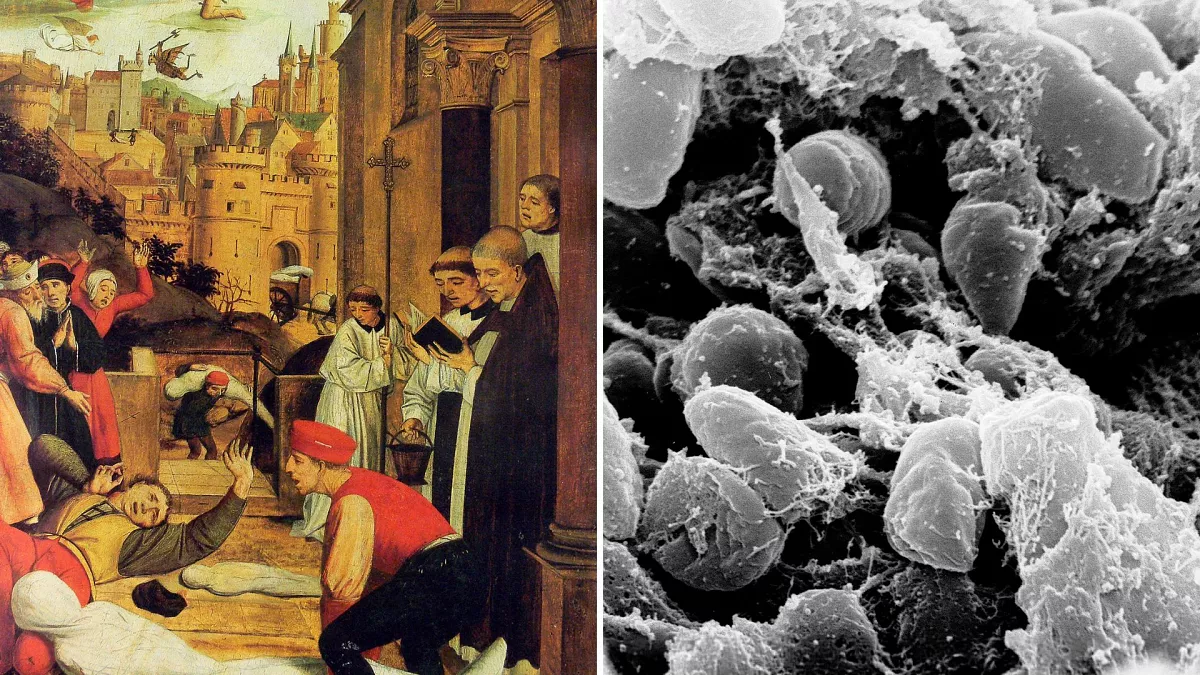
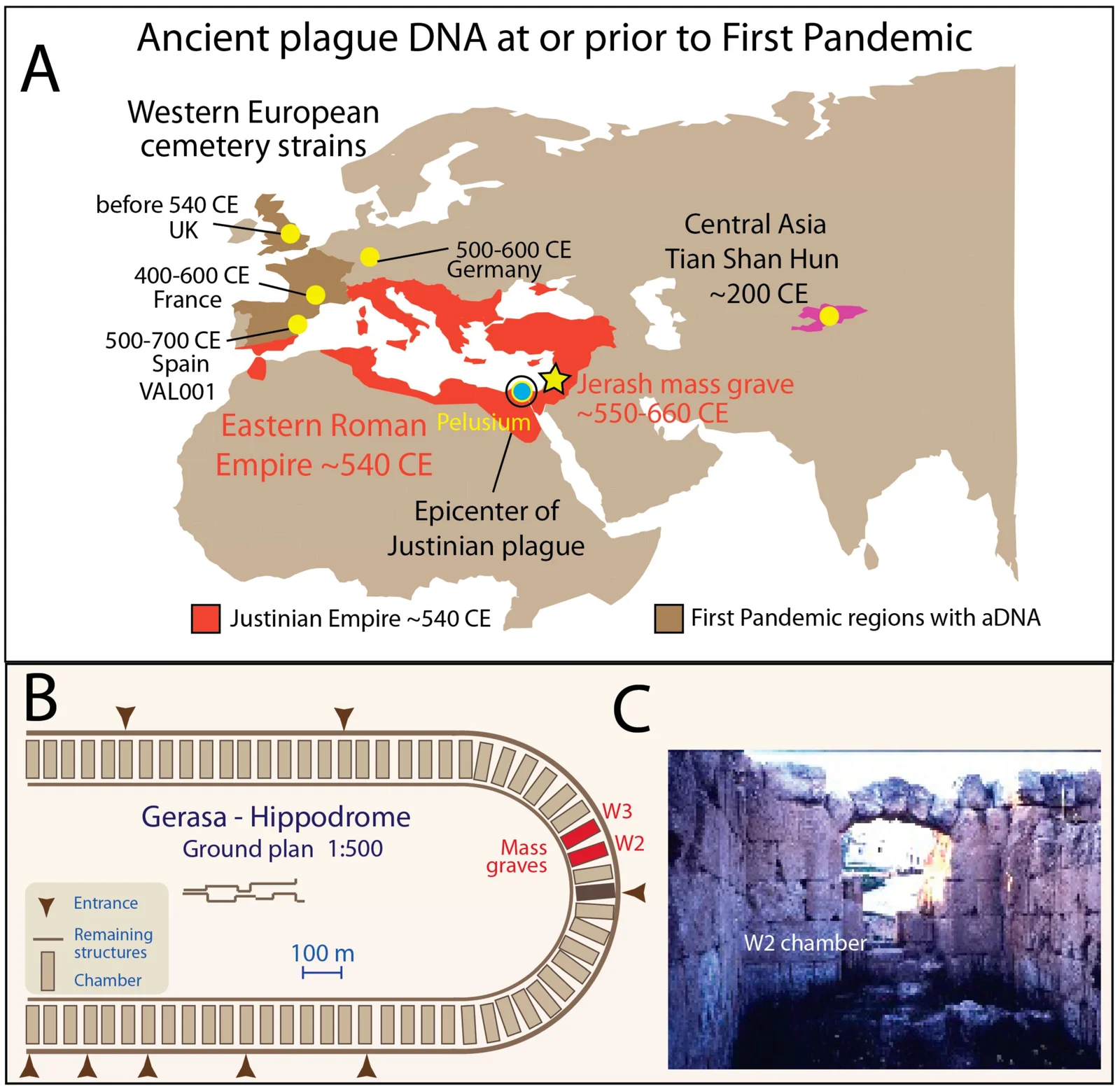
New genomic and archaeological evidence shows prehistoric Yersinia pestis infected Neolithic farmers in Europe, but ancient strains lacked flea-adaptation genes and outbreaks were scattered without clear mass mortality, leaving open whether plague caused the roughly 500-year population decline in late Neolithic Europe or if other factors were involved.

Ancient Siberian plague outbreaks traced to Lake Baikal hunter-gatherers via ancient DNA
archaeology1 month ago

Ancient Siberian plague outbreaks traced to Lake Baikal hunter-gatherers via ancient DNA

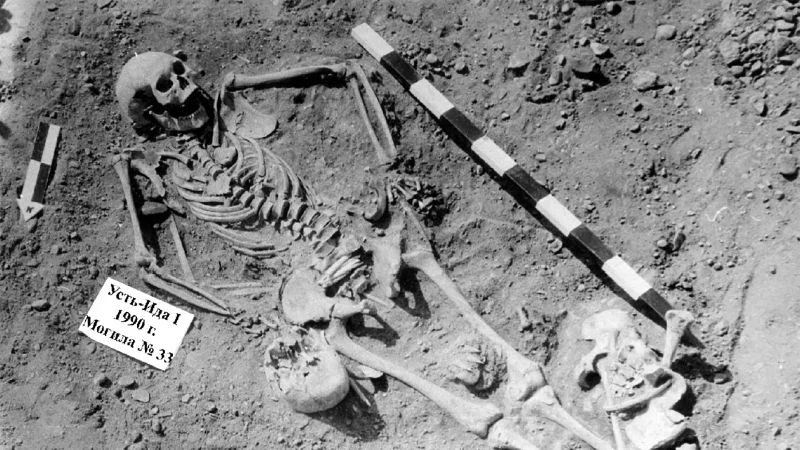
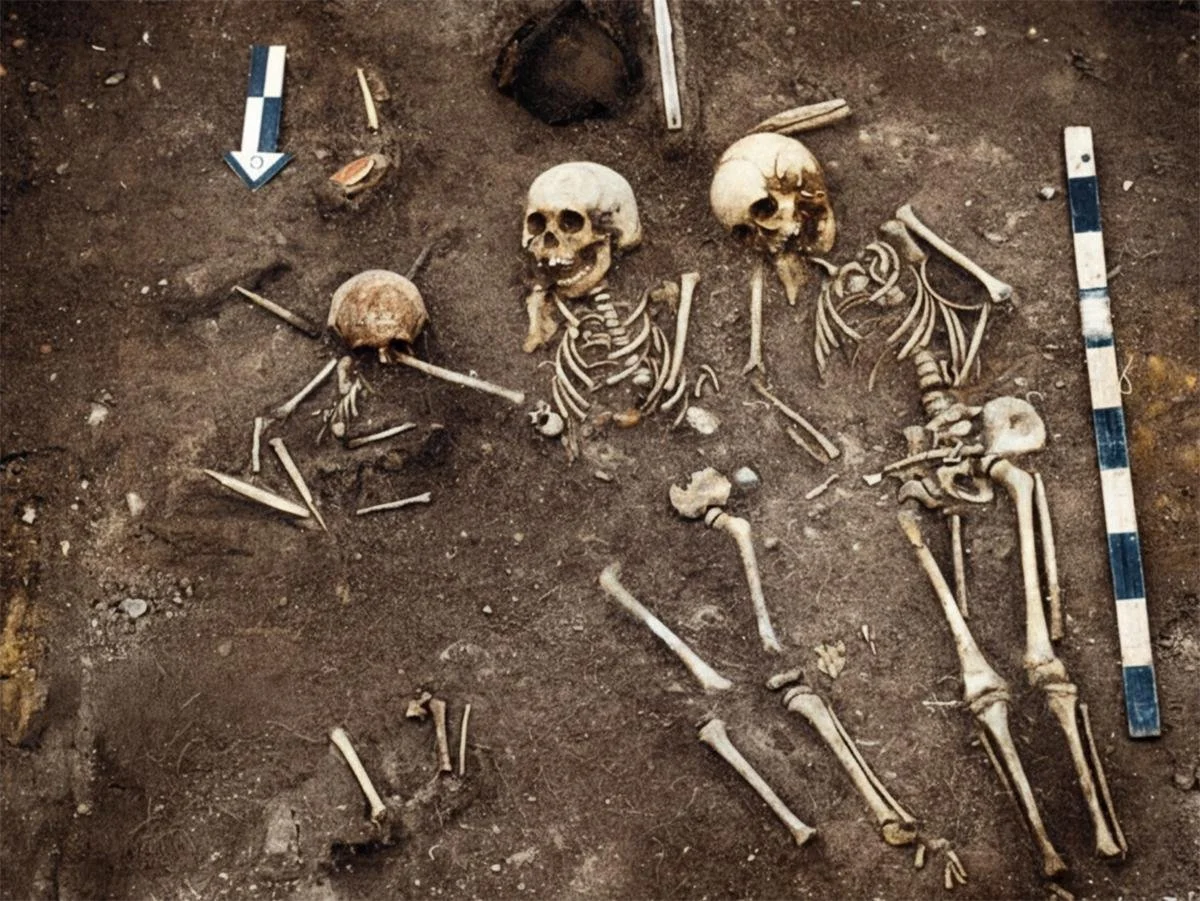
A Nature study of ancient DNA from 46 individuals buried near Lake Baikal reveals two previously unknown Yersinia pestis strains, indicating two plague outbreaks about 5,600–5,300 and 5,100–4,900 years ago among hunter-gatherers. About 40% of the individuals carried plague DNA, suggesting significant mortality in small communities likely caused by pneumonic plague transmitted person-to-person; marmots may have been the reservoir. This pushes plague's emergence far earlier than previously thought and shows epidemics affected hunter-gatherer groups before farming communities appeared.

Ancient Siberian Plague Reveals Earliest Outbreak Linked to Hunter-Gatherers
science1 month ago

Ancient Siberian Plague Reveals Earliest Outbreak Linked to Hunter-Gatherers

DNA from teeth at four Siberian cemeteries shows Yersinia pestis in victims dating to about 5,500 years ago, making this the oldest known plague outbreak and indicating that hunter-gatherers near Lake Baikal were devastated before farming communities. The early strain lacked later virulence genes but was still deadly, likely spreading pneumonically and disproportionately affecting children; burial patterns suggest the disease spread within families along the Angara River, challenging the idea that plague only emerged with agriculture.

Earliest plague found in 5,500-year-old Siberian graves reshapes origins
science1 month ago

Earliest plague found in 5,500-year-old Siberian graves reshapes origins

Ancient DNA from 5,500-year-old Siberian hunter-gatherer graves reveals a previously unknown Yersinia pestis strain carrying a unique toxin that likely made infections highly deadly for children and suggests plague originated in Central/Northeast Asia long before farming. The study found plague in about 39% of individuals across two cemeteries near Lake Baikal, implying possible human-to-human transmission within small groups and multiple outbreak waves, with marmots likely acting as the ancient reservoir. By combining DNA analysis, radiocarbon dating, and archaeology, researchers show these were among the oldest plague events in humans and challenge ideas about how the disease spread.

Ancient Siberian graves reveal oldest plague outbreak, reshaping its origin story
science1 month ago

Ancient Siberian graves reveal oldest plague outbreak, reshaping its origin story

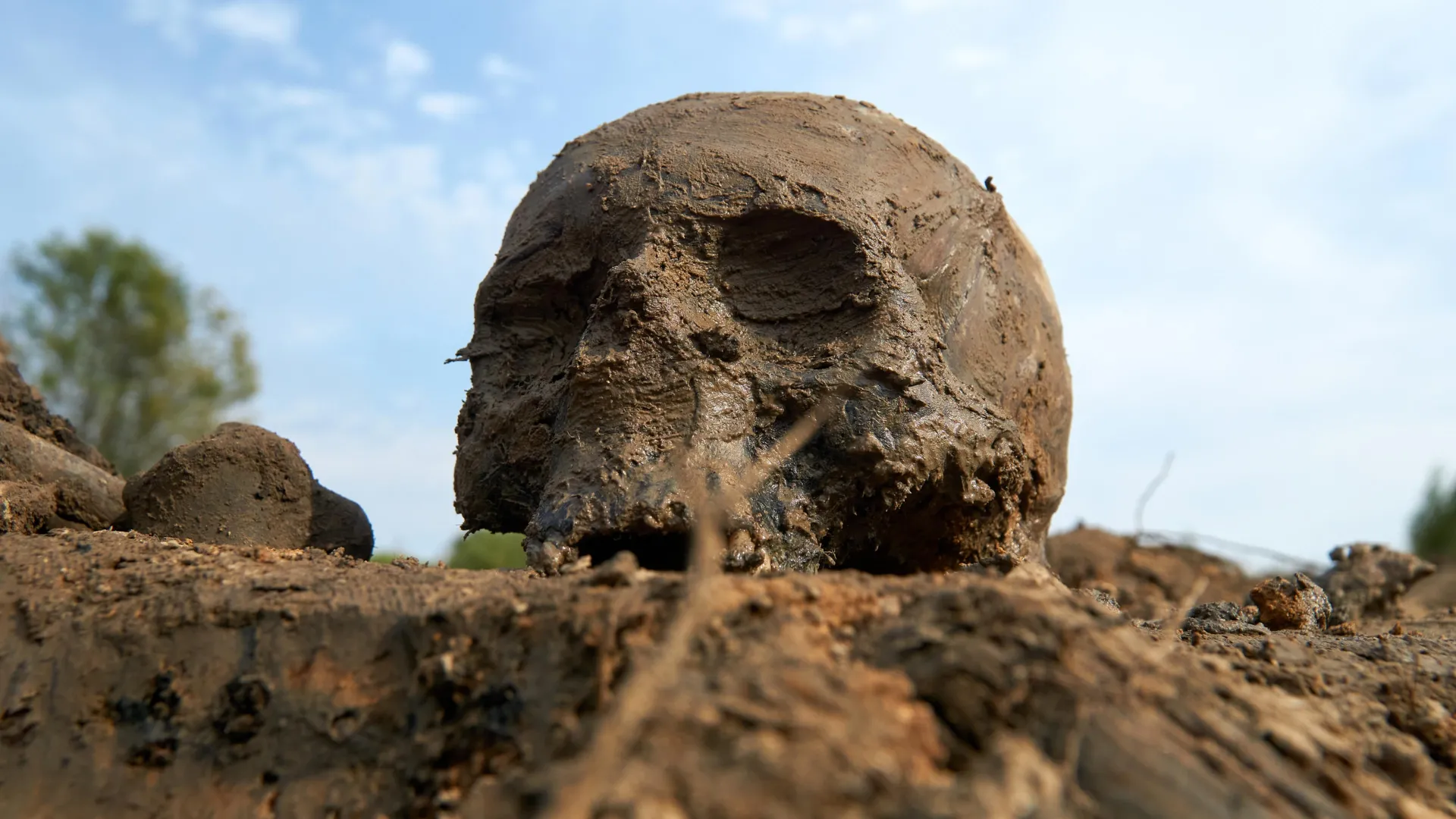
A Nature study of four Siberian graves near Lake Baikal, dating to about 5,500 years ago, found Yersinia pestis DNA in roughly 40% of the remains, offering the oldest evidence of plague and suggesting two prehistoric outbreaks that spread within families among hunter‑gatherers. The bacterium likely caused pneumonic plague at the time—not the flea‑borne bubonic form that emerged later—and the findings challenge the idea that the Neolithic agricultural shift was the primary driver of plague emergence, showing it could affect hunter‑gatherer communities as well.

Ancient DNA Links Europe’s Neolithic Collapse to Population Turnover and Migration
science3 months ago

Ancient DNA Links Europe’s Neolithic Collapse to Population Turnover and Migration

DNA from 132 individuals in a French tomb shows Europe’s Neolithic decline (~3000 BCE) involved a turnover in populations: pre- and post-collapse groups were genetically different, with two burial phases separated by centuries, signs of elevated mortality, and evidence of multiple pressures including disease; later migrations from southern France/Iberia reshaped the Paris Basin, indicating a multifactor disruption rather than a single cause.

First Plague Case of 2025 Reported in New Mexico
health10 months ago

First Plague Case of 2025 Reported in New Mexico

A 43-year-old man in New Mexico was diagnosed with plague after likely exposure while camping, marking the first human case in the state this year amid recent cases in the western U.S. The disease, caused by Yersinia pestis, is rare but can spread through flea bites or contact with infected animals, prompting health officials to recommend precautions such as avoiding sick rodents and using insect repellent.