
UK Courts Hear Dual Trials on Iranian Surveillance of Jewish Sites and Dissident Journalists
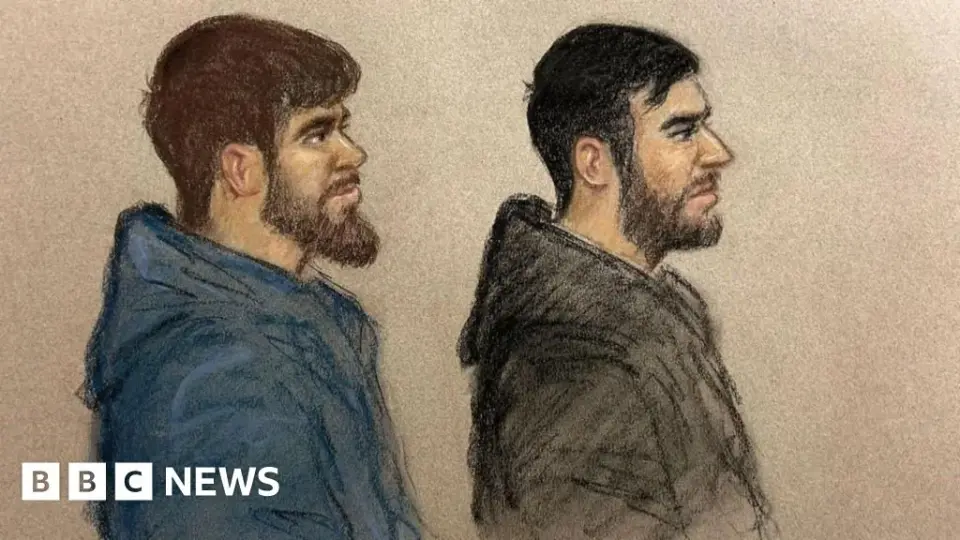
Two separate UK trials are underway involving Iranian nationals accused of spying for Tehran. One case involves surveillance of Jewish and Israeli sites in London, while the other concerns a plot to harm journalists critical of the Iranian regime.
Key points
- Nematollah Shahsavani and Alireza Farasati pleaded not guilty to charges of assisting Iran’s intelligence service by surveilling Jewish and Israeli locations in London between July and August 2025.
- Prosecutors allege Shahsavani, a car salesman, directed Farasati, a barber, to monitor targets including the Israeli embassy, a synagogue, and a specific woman of interest.
- In a separate trial at Woolwich Crown Court, Mostafa Sepahvand, Farhad Javadi Manesh, and Shapoor Qalehali Khani Noori face charges for spying on journalists from Iran International, a channel critical of Tehran.
- The second case involves alleged reconnaissance of journalists’ homes and vehicles, with prosecutors claiming the goal was to expose them to serious violence to silence criticism.
- Defendants in the second trial admit to visiting locations and taking photos but dispute their intent, with Sepahvand claiming he acted under coercion while others deny knowledge of assisting intelligence services.
Background
These trials occur amid heightened security concerns regarding Iranian-linked threats in the UK. In October 2026, two other Iranian nationals were charged with plotting a chlorine bomb attack on Manchester’s Jewish community, following a deadly synagogue attack in the same city one year prior. Officials have emphasized that while these cases highlight ongoing espionage concerns, there is no direct link between the Manchester plot and the current London trials.
How outlets are covering it
The BBC focuses on the London surveillance case, detailing the specific targets such as the Israeli embassy and Britain’s oldest synagogue, and noting the defendants’ occupations and backgrounds. Euronews and Iran International provide detailed coverage of the separate Woolwich trial, emphasizing the motive to silence dissident journalists and the specific evidence presented, such as photos of dogs and cars. While the BBC highlights the not-guilty pleas in the London case, the secondary sources detail the ongoing trial proceedings in the journalist case, noting that defendants admit to surveillance but dispute the intelligence connection. The outlets differ in focus: BBC covers the Jewish/Israeli site surveillance, while Euronews and Iran International cover the journalist targeting plot, though both stem from the same broader context of Iranian intelligence activity in the UK.
Why it matters
These cases illustrate the UK’s growing focus on countering foreign state threats, particularly from Iran, through new legislation like the National Security Act 2023. The trials highlight the vulnerability of both Jewish communities and dissident voices in the UK to targeted surveillance and potential violence, prompting increased security measures and legal scrutiny of foreign intelligence activities.
What to watch
The London case will proceed to trial after the not-guilty pleas, while the Woolwich trial continues with further evidence presentation. Prosecutors in the journalist case are expected to present more evidence on the alleged intent to harm, while defendants will likely challenge the prosecution’s narrative of coercion and intent. Security agencies may continue to monitor for related activities, given the pattern of Iranian-linked threats in the UK.
- Two men deny Iran-backed surveillance of Jewish and Israeli sites in London BBC
- Two men deny carrying out surveillance of synagogue, Israeli embassy in UK for Iran The Times of Israel
- Accused Iran Spies Deny Targeting London’s Jewish Community Bloomberg.com
- UK trial of three Iranians over alleged plot to target Iran dissident journalists Euronews.com
- UK court hears how alleged Iran spy operation targeted Iran International Iran International
Want the full story? Read the original reporting
Read on BBC