
Houthi Strikes on Riyadh Airport Expose Saudi Air Defence Gaps Amid US Hesitation
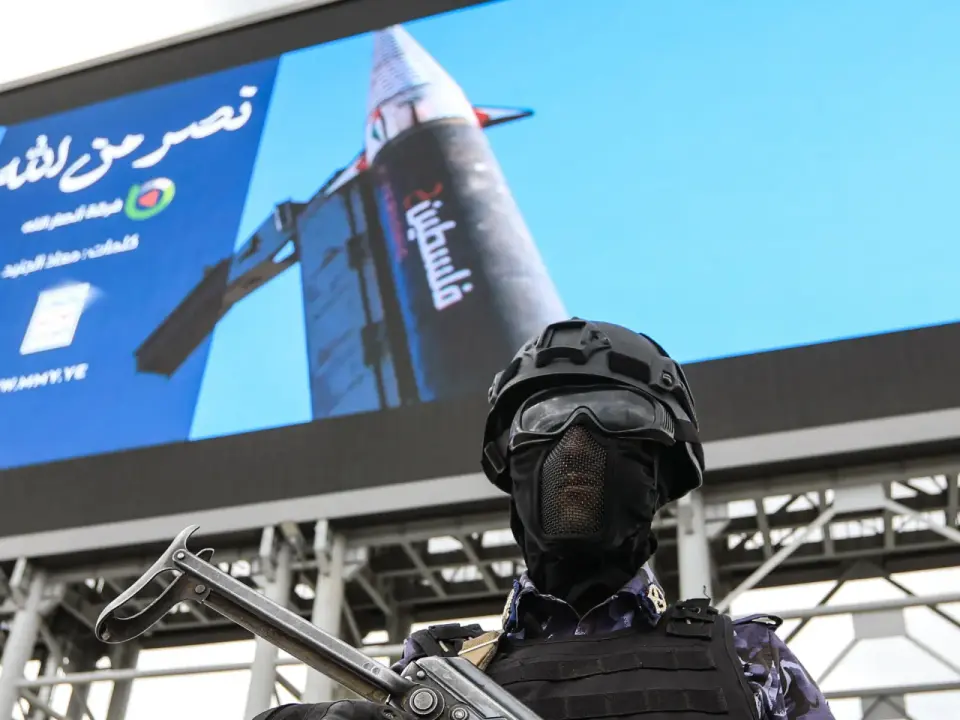
Yemen’s Houthis launched repeated missile and drone attacks on Saudi Arabia’s King Khalid International Airport in Riyadh, killing at least 12 people and injuring hundreds. The strikes, which included a second hit on Sunday, exposed vulnerabilities in Saudi air defences and prompted international condemnation. President Trump indicated the US might join the fight, while Saudi Arabia sought support from allies like Turkey and Pakistan. The Houthis, backed by Iran, targeted civilian infrastructure to pressure Riyadh, despite facing severe military constraints and a UN arms embargo.
Key points
- A Houthi missile strike on King Khalid International Airport in Riyadh on Saturday killed 12 people and injured 309, marking the deadliest attack on Saudi Arabia in over a decade.
- A second projectile hit the same airport on Sunday, causing a fire in Passenger Hall No. 4 and further suspending operations.
- Saudi Arabia’s air defences failed to intercept the Saturday strike, despite intercepting other projectiles, raising questions about the effectiveness of their multi-layered systems against Houthi tactics.
- The Houthis claimed responsibility for multiple attacks, including on Dammam airport and Aramco facilities, using a mix of ballistic missiles, cruise missiles, and drones.
- President Trump stated the US would 'move very quickly' to decide whether to join Saudi military operations against the Houthis, following Saudi appeals for assistance.
- Saudi Arabia has sought support from allies, including Turkey, Pakistan, and the US, to bolster its air defence capabilities and interceptor stocks, which were depleted during the Iran conflict.
Background
The current escalation follows the collapse of a 2022 ceasefire between the Houthis and Saudi-led forces in July 2026. Tensions rose after Houthi forces seized parts of Yemen’s Red Sea coast, prompting Saudi airstrikes. Previous Houthi strikes on Saudi targets, including Riyadh and Aramco facilities, had already disrupted flights and raised concerns about air defence effectiveness. Saudi Arabia had previously summoned military chiefs from Turkey and Pakistan to discuss the Mecca Joint Defence Agreement, though Ankara and Islamabad remained cautious about direct troop deployment. The US had a unilateral ceasefire with the Houthis since 2025, which was quietly renewed after hostilities resumed in summer 2026, but Trump had twice rejected Saudi appeals for help prior to the latest attacks.
How outlets are covering it
Al Jazeera emphasizes the technical limitations of Saudi air defences, noting that while the kingdom has advanced systems, occasional penetration is expected given the size of its borders and the volume of Houthi attacks. It highlights that Saudi Arabia’s interceptor stocks are depleted due to the Iran conflict, forcing it to seek external support. BBC focuses on the human toll and international response, detailing the casualties, including a US citizen, and the travel warnings issued by the UK and US. It also notes the Houthis’ claim of targeting multiple Saudi airports and oil facilities. NBC News centers on the potential US involvement, quoting Trump’s statement that the US might join the fight and analyzing the political pressures on Washington, including energy prices and midterm elections. It also highlights the lack of a military solution to the Yemen conflict, according to experts. The Guardian provides a detailed timeline of the attacks, including the second strike on Sunday, and notes the lack of information from Saudi authorities, which has led to public confusion. It also highlights the impact on the World Petroleum Congress, with major oil companies potentially cancelling attendance due to security concerns.
Why it matters
The Houthi strikes on Saudi Arabia’s capital highlight the vulnerability of even advanced air defence systems against persistent, Iran-backed threats. The attacks have disrupted global oil markets and raised questions about US commitment to regional security. The potential US involvement could escalate the conflict, while Saudi Arabia’s reliance on allies like Turkey and Pakistan underscores the shifting dynamics of Middle Eastern security. The Houthis’ ability to target civilian infrastructure, despite facing severe constraints, poses a long-term threat to regional stability and global energy supplies.
What to watch
Saudi Arabia is expected to continue seeking support from allies, including the US, Turkey, and Pakistan, to bolster its air defences and interceptor stocks. The US may decide to join the fight against the Houthis, potentially through intelligence sharing or providing advanced defence systems. The Houthis are likely to continue targeting Saudi civilian infrastructure, including airports and oil facilities, to pressure Riyadh. The World Petroleum Congress may proceed despite security concerns, but major oil executives may cancel attendance. The conflict in Yemen is expected to continue, with Saudi-led forces targeting Houthi missile depots and drone production facilities. The UN and international community are likely to condemn the attacks and call for a ceasefire, but a resolution remains uncertain.
- Why are Houthi missiles breaking through Saudi Arabia’s air defences? Al Jazeera
- Saudi Arabia's Riyadh airport hit by second Houthi strike in two days BBC
- Saudi airport struck again a day after deadly attack NBC News
- Middle East crisis live: Riyadh airport hit again as Houthis claim attacks, including strike that killed 12 The Guardian
- Saudi civil aviation authority says latest Riyadh airport attack caused injuries The Times of Israel
Want the full story? Read the original reporting
Read on Al Jazeera