
US Completes Iraq Withdrawal, Ceding Regional Influence to Iran
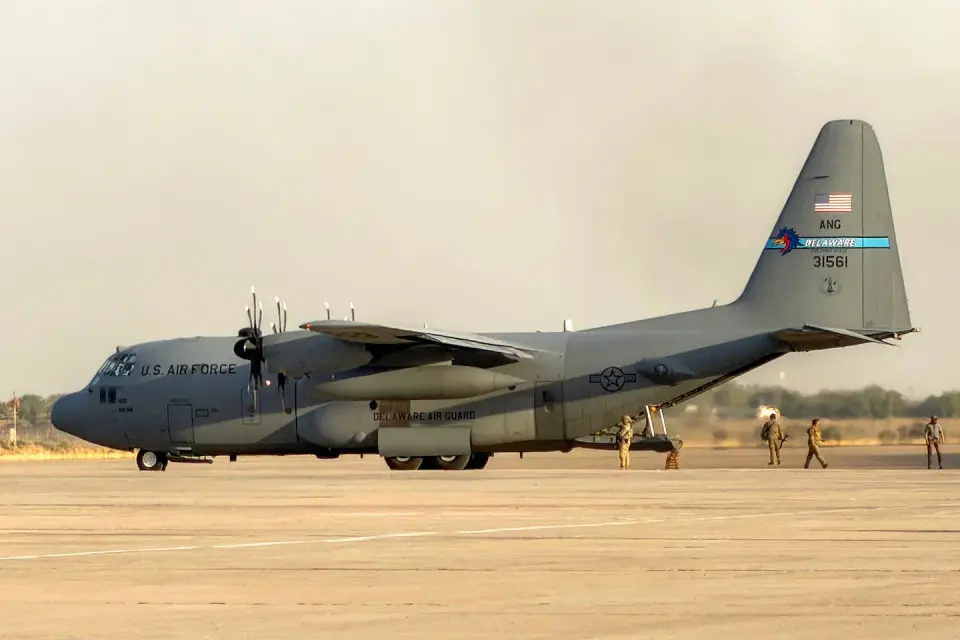
US forces have fully withdrawn from Iraq, ending a two-decade military presence that began with the 2003 invasion. The departure, which concluded with the exit from bases in Erbil, marks a shift in regional power dynamics, leaving Iran and its allied militias as the dominant external influence in the country. While the US frames the move as a successful transition to an Iraqi-led security effort, Iran-backed groups have celebrated the exit as a victory, complicating Baghdad's efforts to assert sovereignty and disarm foreign-aligned factions.
Key points
- US troops completed their withdrawal from Iraq on September 30, 2026, ending a military presence that began with the 2003 invasion.
- The withdrawal was agreed upon in 2024 by the Iraqi government and the Biden administration, and was honored by the Trump administration.
- Iran and its allied militias have celebrated the US departure, viewing it as a victory and a reduction in external pressure on their activities in Iraq.
- The US has shifted its focus to anti-Islamic State operations from a headquarters in Jordan, while Iraq faces the challenge of disarming Iran-backed militias and asserting its sovereignty.
- The withdrawal leaves Iraq with a new government tasked with managing security challenges, including the presence of Iran-aligned militias, in a region where Iran's influence has grown despite setbacks elsewhere.
Background
The US withdrawal from Iraq follows a long history of American involvement, including the 2003 invasion and subsequent operations against Islamic State. In 2024, the Iraqi government and the Biden administration agreed to a phased withdrawal, which the Trump administration has honored. The withdrawal comes amid ongoing tensions between the US and Iran, including strikes on US bases in Iraq and efforts by Iran to expand its influence in the region. Previous coverage has highlighted the challenges of managing Iran's influence in Iraq and the broader Middle East, including the role of Iran-backed militias and the impact of US sanctions on Iranian financial networks.
How outlets are covering it
The Washington Post emphasizes the shift in regional power dynamics, noting that the US withdrawal leaves Iran at the center of the region's future. CNN highlights the celebration by Iran and its allies, framing the withdrawal as a victory for Iran-backed groups. Both outlets agree that the withdrawal marks a significant transition in US-Iraq relations, but they differ in their emphasis on the implications for Iran's influence and the challenges facing Iraq's new government.
Why it matters
The US withdrawal from Iraq has significant implications for regional stability and power dynamics. It leaves Iran and its allied militias as the dominant external influence in Iraq, complicating Baghdad's efforts to assert sovereignty and disarm foreign-aligned factions. The withdrawal also marks a shift in US strategy in the Middle East, with the US focusing on anti-Islamic State operations from Jordan. The move could have broader implications for US-Iran relations and the balance of power in the region.
What to watch
The US will continue to focus on anti-Islamic State operations from a headquarters in Jordan, while Iraq faces the challenge of managing security challenges, including the presence of Iran-backed militias. The new Iraqi government, led by Prime Minister Ali al-Zaidi, has pledged to assert sovereignty and disarm foreign-aligned factions, but experts doubt the feasibility of quickly disarming these groups. The withdrawal could also have implications for US-Iran relations and the broader balance of power in the Middle East.
- U.S. withdraws forces in Iraq as balance of power shifts to Iran washingtonpost.com
- The US military says its withdrawal of troops from Iraq is complete CNN
- What I Saw as the U.S. Debacle in Iraq Unfurled The New York Times
- US forces exit Iraq after two decades, leaving opening for Iran Reuters
- US withdraws forces from bases in Iraq on Tuesday, raising fears of vacuum for terror groups | LIVE BLOG i24NEWS
Want the full story? Read the original reporting
Read on washingtonpost.com