
US strikes five Iranian tankers as Tehran retaliates against Jordan base
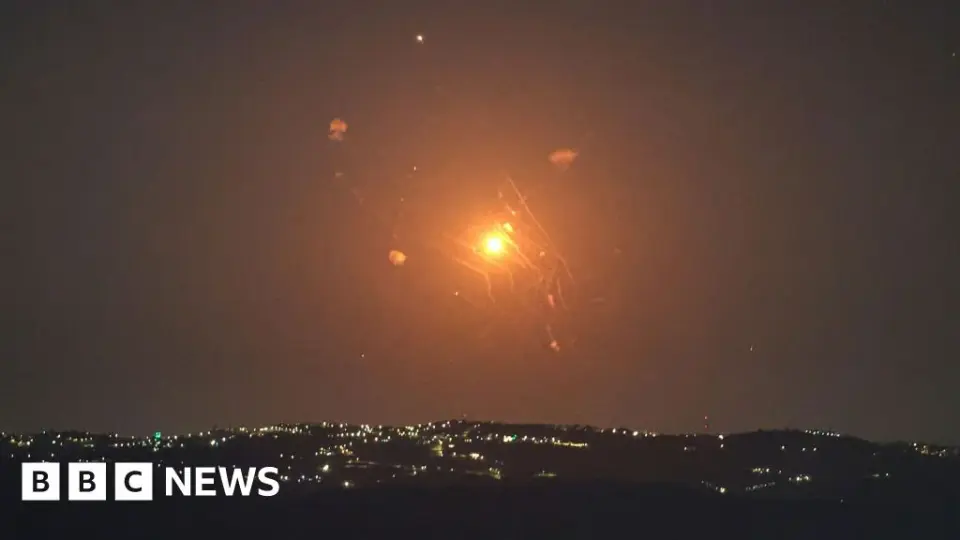
US forces struck five Iranian oil tankers in the Gulf of Oman and near Kharg Island in retaliation for Tehran's missile attacks on US warships. Iran responded by firing missiles at a US base in Jordan, which Jordanian air defenses intercepted. The escalation has driven oil prices higher and prompted Iran to warn of further attacks on vessels in the region.
Key points
- US Central Command (Centcom) confirmed strikes on five Iranian tankers, including four linked to the Revolutionary Guards Corps (IRGC) in the Gulf of Oman and one near Kharg Island, a major oil export terminal.
- Iran launched 20 missiles at a US base in Jordan; Jordanian authorities reported shooting down 18, with two missiles landing in unpopulated areas and no casualties reported.
- Brent crude oil prices rose 1.5% to $99.41 per barrel, and US-traded oil increased 1.6% to $94.55, driven by regional instability and supply concerns.
- Iran warned that US-linked tankers in Kuwait and Bahrain would be targeted, urging crews to leave their vessels immediately.
- US Navy Captain Tim Hawkins stated that an unmanned submarine seized by Iran in the Strait of Hormuz was a defective, older model that carried no sensitive data or classified equipment.
Background
This escalation follows a pattern of tit-for-tat strikes between the US and Iran that began in February 2026 after US and Israeli attacks on Iran. Previous clashes in September 2026 included US strikes on Iranian military targets and oil tankers, with Iran retaliating against US bases in Jordan, Bahrain, and Iraq. The current flare-up occurs amid stalled diplomatic talks and ongoing regional instability, including Houthi attacks on Saudi Arabia.
How outlets are covering it
BBC and CNN report the core events of the tanker strikes and missile retaliation, with BBC emphasizing the IRGC link and CNN highlighting Iran's threats to vessels in Bahrain and Kuwait. CNBC focuses on the US downplaying the seized submarine as a defective, non-sensitive drone, contrasting with Iranian claims of capturing cutting-edge technology. Al Jazeera provides broader context, noting Trump's claims that the war will end after US midterm elections and Iran's rejection of the US characterization of Houthis as proxies, while also reporting on explosions in Iranian cities like Sirik and Minab.
Why it matters
The escalation threatens to disrupt global oil supplies, as Kharg Island handles 90% of Iran's crude exports. Rising oil prices could impact global economies, while the risk of further strikes on vessels in the Gulf and Arabian Sea could disrupt maritime trade routes. The conflict also risks drawing in other regional actors, such as the Houthis, and complicating diplomatic efforts to resolve the broader US-Iran tensions.
What to watch
Iran has warned of further retaliatory strikes and announced a restricted area in the Gulf of Oman and Arabian Sea, where ships passing through may be sanctioned. The US has indicated it will continue targeting Iranian tankers in response to attacks on its naval ships. Diplomatic efforts by Pakistan and Qatar to mediate a resolution are ongoing, but no immediate signs of de-escalation are apparent.
- US forces hit five Iranian tankers as Tehran targets American base in Jordan BBC
- Iran launches missile barrage at Jordan after US strikes 5 Iranian tankers CNN
- U.S. military destroys five Iranian oil tankers after attempted attack on American warship, Centcom says cnbc.com
- Iran war live: US, Iran attack oil tankers; crude heads to $100 Al Jazeera
- U.S. Hits 5 Iranian Oil Tankers, Citing Attempted Strikes on Warship The New York Times
Want the full story? Read the original reporting
Read on BBC