
US Sanctions Target ICC Institution, Threatening Court’s Financial Viability
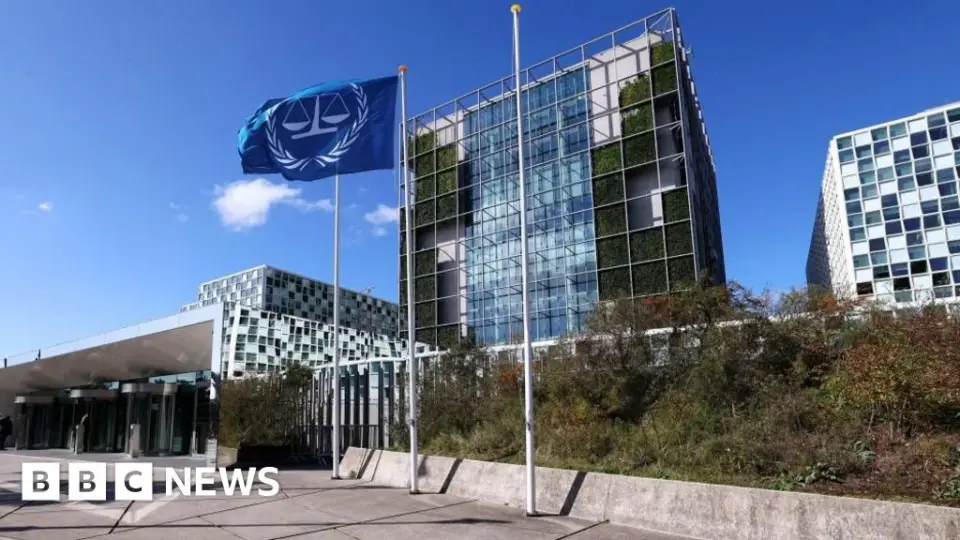
The US has imposed sweeping sanctions on the International Criminal Court (ICC), banning US entities from transacting with the institution. While Washington frames this as a defense of sovereignty, the ICC and global allies condemn it as an assault on international justice, potentially crippling the court’s operations.
Key points
- US Secretary of State Marco Rubio announced sanctions targeting the ICC as an institution, not just individuals, to collapse its financial operations.
- The measures include a ban on US companies providing goods or services to the ICC, such as banking and software, with a six-month grace period for member states to adjust.
- The ICC condemned the move as an 'assault on the rule of law' and stated it would not be deterred, while UN Secretary General Antonio Guterres called it a serious blow to international criminal justice.
- The announcement followed the award of the 2026 Nobel Peace Prize to former ICC judge Navi Pillay, who called the sanctions 'unheard of' and 'unacceptable'.
- The US cites the ICC’s past investigation into US soldiers in Afghanistan and arrest warrants for Israeli officials, including Prime Minister Benjamin Netanyahu, as justification for the action.
Background
This escalation follows months of US pressure on the ICC, including sanctions against 17 individual judges and officials and diplomatic efforts to persuade allies to reject the court’s authority. Previous reports indicated Washington was preparing broad sanctions to disrupt the court’s finances and IT infrastructure, with the Netherlands and EU seeking a grace period to mitigate operational impacts. The US has long argued the ICC oversteps its mandate, particularly regarding investigations involving US personnel and Israeli leaders.
How outlets are covering it
The US government, led by Rubio, frames the sanctions as a necessary measure to 'defend US sovereignty' and prevent the ICC from prosecuting Americans, stating 'either the ICC will end its threats, or we will end the ICC.' In contrast, the ICC and its supporters, including the UK, Canada, France, Germany, Italy, Japan, and the Netherlands, view the move as an illegitimate attack on the rule of law and international justice. The ICC asserts the sanctions aim to intimidate its staff and disrupt its work, while critics like Navi Pillay and UN Secretary General Guterres condemn the action as unprecedented and damaging to global justice efforts. Israel’s Prime Minister Netanyahu welcomed the sanctions, labeling the ICC a 'political body' that threatens national sovereignty. The Netherlands, which hosts the court, faces particular pressure, with officials warning the sanctions could severely impact the ICC’s ability to function, potentially leading to the release of detainees awaiting trial if the court cannot maintain fair proceedings.
Why it matters
The sanctions threaten the operational viability of the ICC, potentially forcing the release of high-profile detainees like former Philippine President Rodrigo Duterte and others awaiting trial for war crimes and crimes against humanity. This move could set a precedent for undermining international legal institutions and exacerbate tensions between the US and its allies, who have reaffirmed their support for the ICC. The crisis highlights the fragility of the international legal order and the potential consequences of unilateral actions by major powers on global justice mechanisms.
What to watch
The six-month grace period provides a window for member states to negotiate a 'solution' to address US concerns, though no specific conditions for lifting the sanctions have been outlined. The ICC is expected to continue operations despite the financial strain, but long-term sustainability is uncertain. Allies may explore legal countermeasures, such as the EU blocking statute, to shield the court from US financial restrictions. The outcome will depend on whether the ICC withdraws its warrants or if the US maintains its stance, potentially leading to a prolonged standoff that could reshape the role of international criminal justice.
- US impose sanctions on ICC with threat to 'end' international court BBC
- EXCLUSIVE: US imposes sanctions on ICC hours after former judge wins Nobel Peace Prize Reuters
- Trump Sanctions ICC Hours After Losing Nobel Prize to Former Judge Yahoo
- Trump Administration Hits International Criminal Court With Severe Sanctions The New York Times
- As Navi Pillay wins Nobel Peace Prize, US takes unprecedented action to cripple the court she served on CNN
Want the full story? Read the original reporting
Read on BBC