
US strikes three Iranian oil tankers after IRGC missile attacks on Navy ships
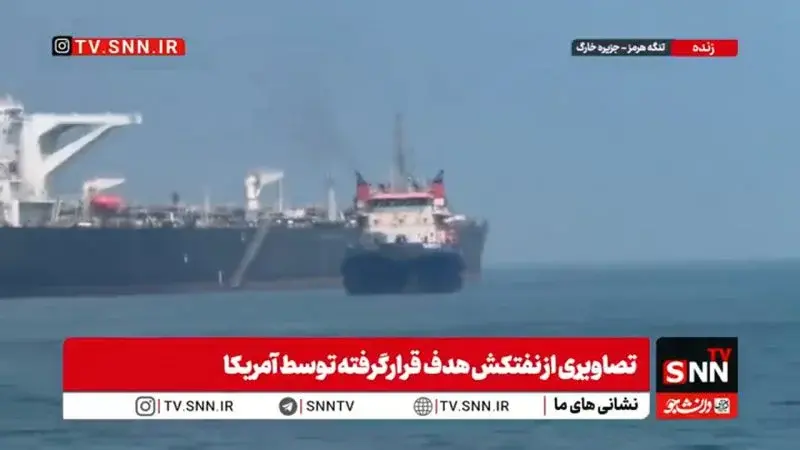
US forces struck three Iranian oil tankers on September 5, 2026, in retaliation for ballistic missile attacks by Iran's Islamic Revolutionary Guard Corps (IRGC) on US Navy vessels. CENTCOM confirmed the strikes targeted the M/T Downy, M/T Stark 1, and M/T Kylo, stating no American personnel were harmed. Iran condemned the actions as illegal and vowed further retaliation, marking a significant escalation in the six-month conflict.
Key points
- US Central Command (CENTCOM) confirmed strikes on three Iranian tankers: M/T Downy near Kharg Island, M/T Stark 1 near Jask, and M/T Kylo in the Gulf of Oman.
- The strikes followed IRGC ballistic missile attacks on a US aircraft carrier and a guided missile destroyer, which Iran claimed were 'harassing Iranian ships.'
- CENTCOM Commander Adm. Brad Cooper stated the US would impose 'higher economic costs' by destroying Iran's oil fleet if attacked.
- Iran's Foreign Ministry called the strikes 'illegal and aggressive,' violating the UN Charter and constituting a war crime.
- No American personnel were harmed in the Iranian missile attacks, and the crew of the M/T Kylo was directed to abandon the vessel before it was struck.
Background
This escalation follows a series of incidents in the Strait of Hormuz, including a tanker strike in August and a Saudi-condemned attack on the tanker Sidr in early September that killed two Filipino sailors. The US had previously announced 'Operation Economic Outcast' to isolate Tehran economically, while Iran had vowed retaliation for earlier US strikes on IRGC sites.
How outlets are covering it
CNN and NBC News reported the strikes as a direct military retaliation for IRGC missile attacks on US Navy ships, emphasizing the targeting of oil infrastructure. Al Jazeera highlighted the broader context of a six-month conflict, noting expert analysis that neither side will back down without a political settlement. Iranian state media framed the US actions as an 'economic war' and 'naval blockade,' while US officials described the strikes as necessary to defend American forces and impose economic costs on Iran.
Why it matters
The strikes on oil tankers near Kharg Island, a critical hub for Iran's oil exports, threaten to disrupt global energy supplies and spike oil prices. The escalation risks further military clashes and civilian casualties, with potential implications for US midterm elections and regional stability in the Middle East.
What to watch
Iran has vowed to respond to the US strikes, potentially through further missile attacks or economic measures. The US may continue targeting Iranian oil infrastructure if Iran persists in interfering with shipping through the Strait of Hormuz. Diplomatic efforts, including discussions between Turkish and Iranian foreign ministers, may attempt to de-escalate the conflict, but experts warn of ongoing clashes and miscalculations.
- US military says three Iranian tankers struck in Gulf CNN
- US military hits 3 Iranian oil tankers after saying Navy warships were targeted NPR
- U.S. strikes 3 Iranian oil tankers after Iran targets Navy warships, CENTCOM says NBC News
- Iran war live: Iranian oil tanker reported hit by missiles off Kharg island Al Jazeera
- US launches retaliatory strikes on 3 Iranian oil carriers in response to attacks against Navy warships WANE 15
Want the full story? Read the original reporting
Read on CNN