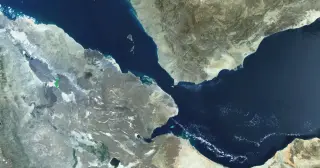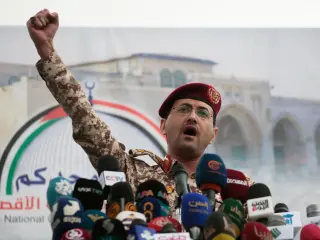
Iran-backed Houthis say they struck two oil tankers in the Red Sea, raising the risk of a new chokepoint at Bab el-Mandeb that could disrupt global energy supplies and push prices higher amid tensions over critical trade routes.
Yemen's Iran-aligned Houthis say they attacked two Saudi oil tankers, ENCELA and LAYLIA, in the Red Sea using missiles and drones, causing fires; UKMTO reports a tanker struck and crews fighting a fire, while Saudi authorities have not commented. The claim follows a July 20 maritime blockade against Saudi vessels, heightening risks to Red Sea shipping and global oil flows via the Bab al-Mandeb chokepoint.
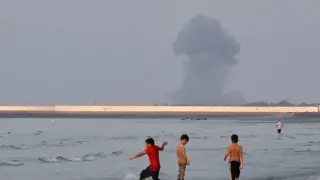
Iran’s Islamic Revolutionary Guard Corps says two 'deviant' oil tankers exploded after passing through the Strait of Hormuz, alleging the ships entered an unsafe route and were instigated by the United States; the claim, coming amid renewed U.S.-Iran tensions and regional frictions (including actions by Iran-backed Houthis and ongoing American strikes), has not been independently verified.
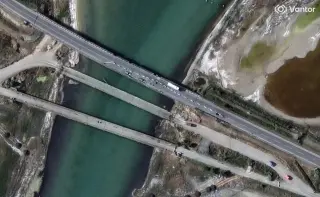
Russia suspended commercial shipping through the Kerch Strait and Don–Azov Canal after a large Ukrainian drone campaign hit Moscow’s maritime logistics, targeting oil tankers linked to the sanctioned shadow fleet; four vessels were struck in the Gulf of Taganrog on July 11, including a methanol tanker, with officials saying damage was minor and no chemical leaks occurred; the suspension disrupted the Azov Sea’s role in Russia’s grain exports, prompting wheat futures higher, and there is no timeline for when transit will resume.
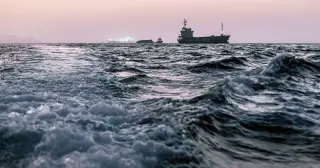
Two large oil tankers linked to Kyklades Maritime crossed the Strait of Hormuz via the Oman side on a protected route despite renewed US–Iran clashes, continuing Qatar crude shipments as overall Hormuz traffic slows. The US Central Command says it has facilitated about 380 million barrels of transit since May, implying several million barrels per day, while Iran pushes traffic through alternative routes and some ships have faced attacks in recent days.
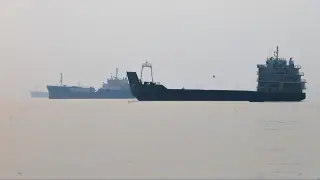
Several ships attempting to exit the Persian Gulf reverse course along the Oman coast, underscoring that reopening the Strait of Hormuz remains fragile as Iran asserts control over the corridor. A crude tanker, two product tankers, and a bulk carrier redirected via Iran’s designated route, while others continued with warning from Iranian forces. Tehran has repeatedly said vessels must use the authorized Iranian route, and U.S.-backed transit along the Omani coast continues. Traffic is rising since a mid‑June reopening deal, but remains well below pre-war levels, with about 34 commodity vessels per day recently and 59 of 65 ships crossing the Omani side between June 30 and July 1 supported by the U.S., highlighting how tanker operators’ risk tolerance is crucial to restoring normal oil flows.
A number of oil tankers used an Oman-coast route to pass through the Strait of Hormuz despite Iran’s warnings, signaling a cautious, uneven rebound in traffic under a 60‑day deal whose terms remain unresolved; some ships turned back, overall movement is far below prewar levels, and Brent crude has slipped toward about $72 a barrel as markets stabilize.
Trump administration officials are exploring options to boost tanker traffic through the Strait of Hormuz, including a fee-based “VIP pass” for expedited, navy-escorted transit to reassure insurers amid ongoing U.S.-Iran talks. Despite the White House’s claims that Hormuz is open, shipowners remain wary and hundreds of vessels sit idle; discussions also touch on insurers’ coverage, potential Defense Production Act use, and European involvement to share maritime security duties as energy markets react to the standoff.
The Financial Times reports a ‘shadow fleet’ of aging, often uninsured sanctioned oil tankers used to bypass sanctions—posing a real risk of a major environmental disaster. Experts say more than half of sanctioned vessels should be scrapped, with Russia believed to operate hundreds of these ships among about 1,500 shadow tankers globally. Aging and poorly maintained, these vessels have a history of incidents (e.g., in the Kerch Strait and Baltic), and temporary sanctions waivers that allow tankers to move oil complicate efforts to retire the fleet.
The head of the world’s largest ship recycler warns that more than half of the sanctioned ‘shadow fleet’ oil tankers are ageing and corroding, posing a real risk of a major oil spill as sanctions block normal dismantling; there are roughly 1,800 shadow fleet ships, about 1,500 of which are oil or product tankers, and experts say at least a third should be scrapped—potentially more—though licenses have begun for limited recycling and a surge in scrapping could follow when the Strait of Hormuz reopens after a period of slowed activity.
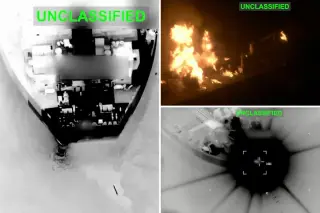
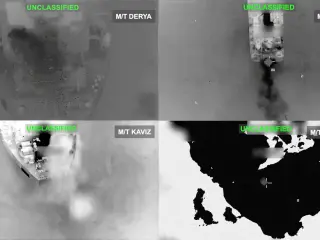
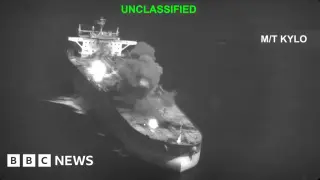
The U.S. says it struck and disabled two Iranian-flagged oil tankers near the Gulf of Oman to prevent port access, signaling continued enforcement of a blockade while awaiting Tehran’s response to a proposed peace deal, a move that clouds a fragile ceasefire and raises the risk of escalation.
Three supertankers exited the Strait of Hormuz amid a fragile two-week US-Iran ceasefire, highlighting that the chokepoint—through which roughly 20% of global oil and LNG shipments move—remains active as ships like Serifos, Cospearl Lake and He Rong Hai transit via the Hormuz Passage, carrying crude from Saudi Arabia, the UAE and Iraq; shipping data from LSEG also shows other tankers heading into the Gulf while hundreds remain queued.
At a cabinet meeting, Trump claimed Iran allowed eight tankers through the Strait of Hormuz and sent two more as a ‘present’ toward peace, signaling a possible path to negotiations, though details are sparse and Iran disputes talks. U.S. officials defended the war while presenting a confidential 15-point peace framework, with options ranging from diplomacy to seizing Iran’s oil, as public opposition grows and fuel prices rise, leaving the endgame unclear.
A live update on the US-Israel confrontation with Iran: Trump claims Iran is “begging” for a peace deal as a limited number of tankers pass through the Strait of Hormuz, while Tehran signals mixed reactions to a US 15-point ceasefire proposal relayed via Pakistan. The report also covers claims of an IRGC navy commander killed in an Israeli strike, Netanyahu’s vow to continue attacks, ongoing indirect talks mediated by Pakistan, NATO and European reactions, and health and regional-security warnings from WHO amid the widening crisis.
About 90 ships, including oil tankers, have passed through the Strait of Hormuz since the war began, and Iran continues exporting millions of barrels of oil even as the strait remains effectively closed to much traffic; analysts note some passages involve Iran-affiliated or sanctioned-evading vessels, with crude prices rising above $100 a barrel as diplomacy and selective corridors keep flows moving.