
Kano's 1,500-Couple Mass Wedding Sparks Fraud Concerns
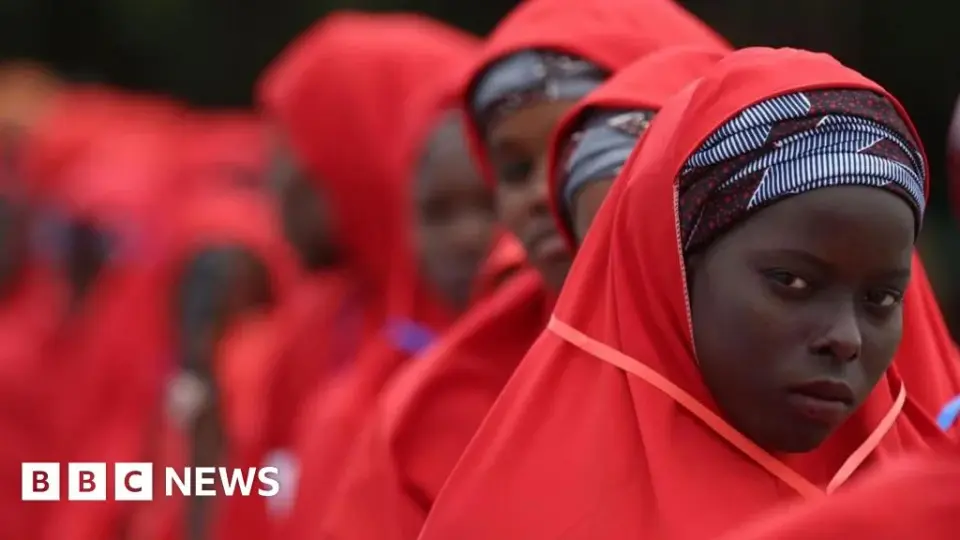
Kano state government sponsored 1,500 marriages for 1.5 billion naira, providing dowries and household goods to low-income couples. The event, overseen by the Islamic police (Hisbah), faced scrutiny as applicants attempted fraud, including falsifying medical tests and presenting fake partners, amid economic hardship driving demand.
Key points
- 1,500 couples married in a mass ceremony in Kano, Nigeria, with the state government spending 1.5 billion naira (approx. $1 million) on the initiative.
- The program, initiated in 2012, provides each couple with a 100,000 naira dowry, 100,000 naira start-up capital, and household furniture to support low-income individuals.
- The Hisbah, Kano's Islamic police force, vetted applicants to prevent fraud, disqualifying couples who altered medical results or presented false partners, such as a bride using her brother as a fake groom.
- Despite assurances that the process is free, some applicants reported being asked for bribes by third parties, though officials confirmed no official fees are charged.
- Economic struggles in Nigeria have increased desperation among applicants, with 5,000 couples applying for the 1,500 available spots this year.
Background
The mass wedding scheme began in 2012 under a previous governor, initially involving 100 couples, primarily widows and divorcees. It has expanded annually under subsequent administrations, reflecting growing demand due to rising marriage costs. The event is part of Kano's broader social welfare efforts, operating alongside Sharia law in the predominantly Muslim state.
Why it matters
The initiative highlights the intersection of social welfare, religious authority, and economic pressure in Nigeria. It demonstrates how government-sponsored marriage programs can alleviate financial barriers for low-income couples but also expose vulnerabilities to fraud and corruption, raising questions about the integrity of public assistance schemes in a struggling economy.
What to watch
The newlyweds will spend the coming days setting up their homes with the provided goods. The Hisbah will continue vetting future applicants, and the state may expand the program if demand remains high, though officials emphasize the process remains free to prevent exploitation.
Want the full story? Read the original reporting
Read on BBC