
Lake Kariba ferry disaster toll reaches 93, marking Zimbabwe's worst transport tragedy
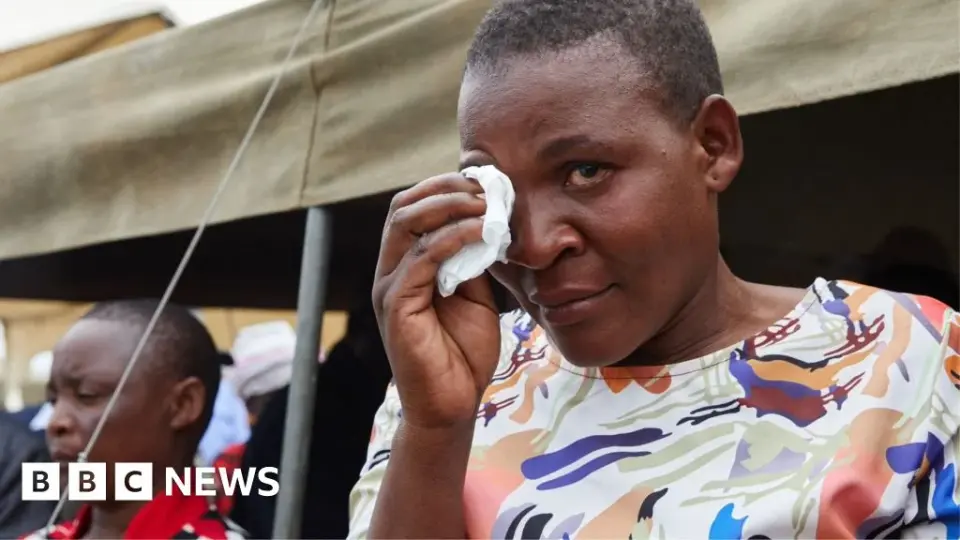
The death toll from the Lake Kariba ferry capsizing in Zimbabwe has risen to 93, making it the country's deadliest transport disaster. The vessel, which had a capacity of 90, was carrying an estimated 168 people when it overturned in strong waves a week ago. President Emmerson Mnangagwa declared a state of disaster, and divers continue recovery operations. While 67 people were rescued, identifying the deceased remains difficult, with 39 victims confirmed as children. The incident exposed severe safety failures, including overloaded conditions and inaccessible life jackets, in a region reliant on boat transport due to poor road infrastructure.
Key points
- The death toll has risen to 93, up from 84 over the weekend, as divers recovered nine additional bodies.
- The ferry, with a capacity of 90, was estimated to carry at least 168 people, including traders and families returning for school holidays.
- President Emmerson Mnangagwa declared a state of disaster, and recovery efforts involve over 40 divers and four boats.
- Provincial Affairs Minister Marian Chombo noted that 67 people were rescued, but identifying bodies is proving difficult, potentially requiring DNA testing.
- Survivors reported that life jackets were buried under luggage, with fewer than 30 people able to access them before the capsizing.
- The disaster is described as the deadliest transport incident in Zimbabwe's history, with 39 of the victims identified as children.
Background
Initial reports from August 13 and 16 estimated the death toll between 44 and 72, with varying estimates of passengers ranging from 114 to 153. The vessel was traveling from Kariba to rural communities in the northwest, a route critical for transport due to limited road infrastructure. The capsizing occurred after the ferry was hit by strong waves, leading to a national disaster declaration by President Mnangagwa.
How outlets are covering it
BBC and Al Jazeera agree on the rising death toll and the state of disaster declaration, but differ slightly on the estimated number of passengers. BBC cites the state-run Herald newspaper, estimating at least 168 people were on board, while Al Jazeera notes earlier reports of 153 passengers and crew, with authorities not confirming the exact number. Both outlets highlight the difficulty in identifying victims, with BBC quoting Minister Chombo on the need for DNA testing, and Al Jazeera noting the deployment of resources for recovery. BBC emphasizes the human impact, such as children losing entire families, while Al Jazeera focuses on the logistical challenges and the ferry's role in connecting remote communities.
Why it matters
The disaster highlights critical safety failures in Zimbabwe's transport infrastructure, particularly in regions reliant on boat travel due to poor road networks. The overloading of the ferry and lack of accessible life jackets raise serious concerns about regulatory enforcement and safety standards. The high number of child victims underscores the vulnerability of rural communities and the need for improved transport safety measures. The incident also strains cross-border relations, as some bodies have drifted towards Zambia, requiring coordinated recovery efforts.
What to watch
Recovery operations will continue, with divers expected to find more bodies as they surface. Authorities may need to use DNA testing to identify the remaining victims. Investigations into the cause of the capsizing and the ferry's overloading will likely lead to regulatory changes and safety improvements. The government may face pressure to address the underlying infrastructure deficiencies that make boat travel essential in rural areas.
- Kariba ferry death toll rises to 93, making it Zimbabwe's deadliest transport disaster BBC
- Pope Leo grieves for victims of Zimbabwe ferry disaster Vatican News
- Zimbabwe police: death toll from Lake Kariba boat accident rises to 80 Reuters
- At Least 15 Dead and Dozens Missing After Boat Carrying Over 100 People Capsizes on Lake People.com
- At least 92 dead in Zimbabwe after Lake Kariba ferry disaster Al Jazeera
Want the full story? Read the original reporting
Read on BBC