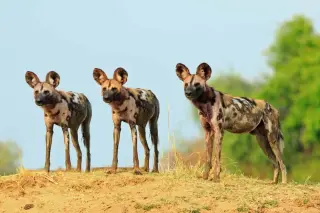
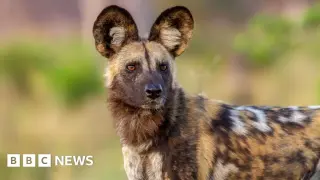
Three male African wild dogs from Zambia's Kafue National Park completed a 4,126-kilometer journey to a new territory in the Luangwa Valley, setting a record for the longest dispersal by an African mammal. While the males survived, a sister group died in snares, highlighting the risks of fragmented habitats.
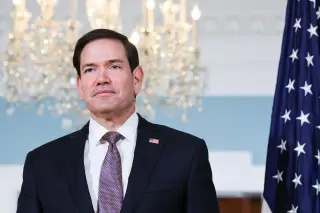
The Trump administration removed controversial provisions regarding critical mineral access and data sharing from a $1.5 billion health agreement with Zambia after facing opposition. The final deal, signed in October 2026, focuses solely on health aid, with the State Department denying that concessions were made to link commercial interests to humanitarian support.
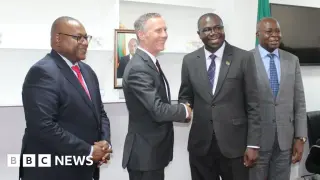
Zambia and the United States signed a five-year health financing agreement in Lusaka, ending months of public dispute over data-sharing and resource access. The deal secures approximately $1.5 billion in US funding, with Zambia contributing additional funds, for a combined package of roughly $3.6 billion between 2026 and 2030. The agreement replaces previous aid flows through USAID, which was closed by President Donald Trump in 2025. Health Minister Roma Chilengi confirmed that clauses requiring the transfer of biological specimens and individual patient records were removed, limiting data exchange to program monitoring. The funding will support HIV/AIDS, tuberculosis, malaria, and maternal health initiatives, with US contributions expected to decline as Zambia increases domestic spending.
A pack of three male African wild dogs completed a record-breaking 2,485-mile journey across Zambia in search of a mate, marking the longest dispersal recorded for any African land mammal. While the males successfully navigated human-dominated landscapes to reach a new territory, a female group in the same study died in illegal snares. The findings suggest wild dog populations in southern Africa remain more connected than previously believed, though they face significant threats from poaching and habitat fragmentation.
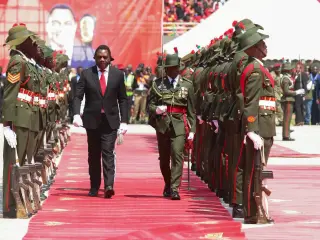
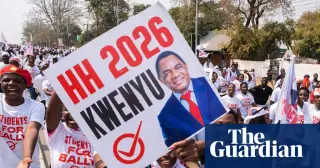
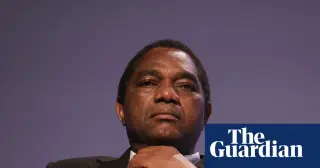
Zambian President Hakainde Hichilema was sworn in for a second term on September 1, 2026, following a disputed August 13 election. The inauguration occurred while his main rival, Brian Mundubile, was detained on treason charges and the country’s courts were closed, preventing legal challenges to the vote. Hichilema won with 60% of the vote, while Mundubile claimed the result was rigged after receiving 38%.
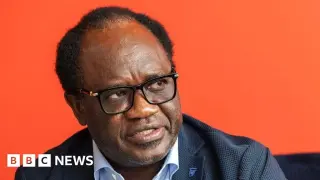
Zambian opposition leader Brian Mundubile and 16 others, including his running mate Makebi Zulu, have been formally charged with treason following a disputed presidential election. The charges follow a deadly police raid on a property linked to Mundubile and the subsequent closure of the judiciary, which prevented the opposition from filing an election petition before the deadline. President Hakainde Hichilema, who won 60% of the vote, is set to be sworn in for a second term despite ongoing legal and human rights concerns.
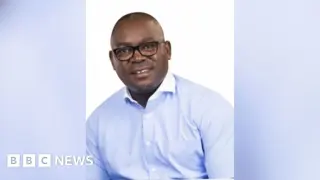
Former Zambian minister Mutotwe Kafwaya was fatally wounded during a security operation at a house linked to opposition leader Brian Mundubile in Lusaka, with 11 people arrested. Mundubile denies involvement and has gone into hiding as President Hakainde Hichilema is re-elected with about 60% of the vote; Mundubile plans to challenge the results amid observer concerns about the electoral process.
A post-election security operation at opposition leader Brian Mundubile’s home in Zambia killed former cabinet minister Mutotwe Kafwaya and left 11 people detained as authorities say they were dismantling a suspected militia; Mundubile said Kafwaya was shot while the raid occurred, with the government framing the operation as protecting state security. The August 13 election gave President Hakainde Hichilema about 60% amid opposition claims of irregularities and intimidation, and a legal challenge is anticipated; UN urged respect for due process amid rising tensions.
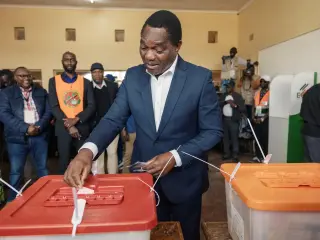
Official results show President Hakainde Hichilema re-elected to a second five-year term with about 61.4% of the vote to challenger Brian Mundubile's 38%, according to the election commission. The victory cements his incumbency amid reports of violence and contested ballot forms, though international observers said the vote was largely peaceful and freedoms were constrained. Around 5 million voters cast ballots; supporters celebrated in Lusaka while Mundubile called for an independent investigation.
As Zambians vote, President Hichilema seeks a second term amid the lingering feud with late former president Edgar Lungu, whose death in 2025 and burial dispute loom over campaigns; the race features tensions over alleged repression, police disruptions of opposition events, and debates about living costs versus gains from a stabilizing economy and copper-driven growth.
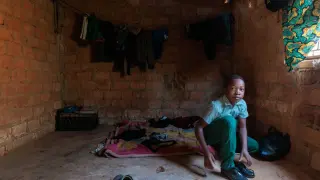
Three brothers in Zambia's Copperbelt, ages 17, 15 and 12, are fending for themselves after their HIV-positive parents died this year as aid cuts shuttered the clinics that kept them on meds; they sell belongings, live in a leaky home, and Joseph works as a part-time security guard to pay rent and cover schooling while trying to keep his brothers on treatment, aided only by a pastor and distant relatives as the broader HIV-care network wanes.
Chef Sungani Phiri is redefining Zambian fine dining with Sungani Restaurant, a home-based 14– to 16-course tasting menu in Livingstone built entirely from indigenous ingredients sourced within 100km; the intimate 22‑seat veranda experience blends memory with modern technique and also trains young Zambian chefs, costing about $215 per person.
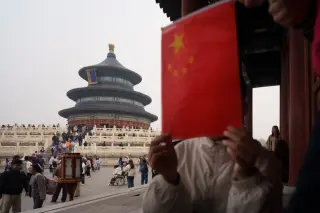
A rights summit in Zambia was canceled after Chinese pressure to exclude Taiwanese activists, underscoring Beijing’s ability to influence international forums and heightening cross-strait tensions.
Zambia canceled RightsCon 2026 in Lusaka just days before its May start, saying it needed time to ensure the event aligns with national values, policy priorities, and public interest. The move, described by activists as censorship, comes amid concerns of political pressure and transnational repression, with more than 2,600 delegates expected and many having already traveled and paid for arrangements to discuss digital rights, online hate, surveillance, and internet governance.
RightsCon, the world’s largest digital rights conference, was canceled in Lusaka after Chinese authorities allegedly pressured Zambia to exclude Taiwanese participants from in-person and online participation, leading to postponement and signaling Beijing’s reach into global digital rights discourse. Access Now said it received informal briefings from multiple sources about China’s influence shaping the conference, which was set to address China’s digital authoritarianism and cyber activities, with UNESCO events nearby also affected.