
Food bank demand surges as SNAP cuts and inflation strain U.S. households
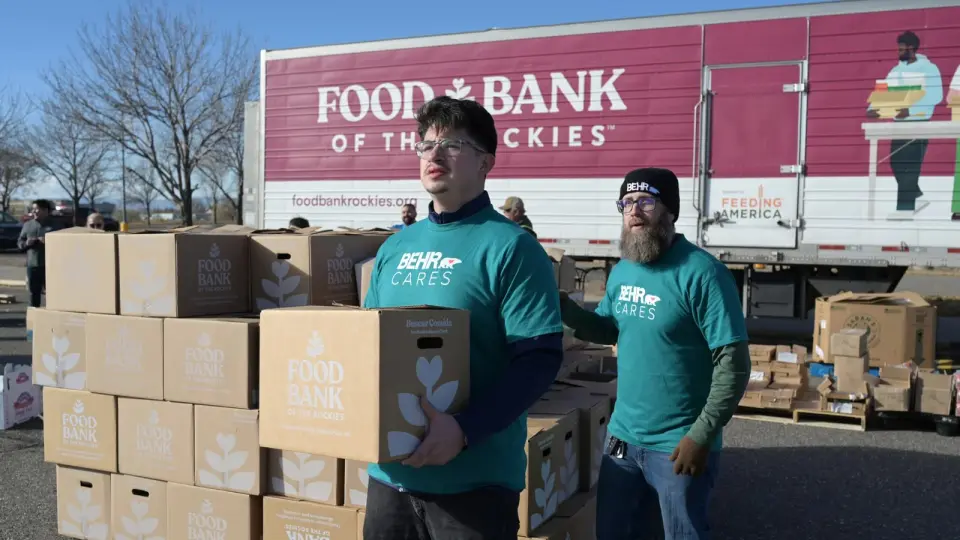
U.S. food banks report record demand as inflation and tightened federal food aid rules push more households into crisis. In New York, one in five residents faces food insecurity, up from one in six a year ago, while the Atlanta Community Food Bank serves 70% more people than five years ago. Many affected individuals earn too much to qualify for federal benefits but cannot afford rising costs. North Carolina pantries report serving up to 60% more people, with SNAP enrollment down 20% locally. Federal work requirements and eligibility restrictions, enacted under the 'One Big Beautiful Bill Act,' have reduced benefits, while states face higher administrative costs. Nonprofits warn that without government support, the strain is worse than during the pandemic.
Key points
- New York City food insecurity affects 1 in 5 residents, up from 1 in 6 a year ago, with food pantry visits 85% higher than pre-pandemic levels.
- The Atlanta Community Food Bank serves nearly 700,000 people monthly, a 70% increase over five years, with over 60% of clients earning too much for SNAP.
- North Carolina food pantries report serving up to 60% more people, with local SNAP enrollment down 20% since federal changes took effect.
- The Los Angeles Regional Food Bank distributed 116 million pounds of food in nine months, slightly exceeding 2025 records, while facing doubled diesel costs.
- Federal work requirements mandate 80 hours of work or training monthly for adults to retain benefits, affecting millions across states like California and North Carolina.
Background
This escalation follows a 13% drop in national SNAP enrollment to 36.5 million by June 2026, driven by the 'One Big Beautiful Bill Act.' Recent USDA proposals to end broad eligibility could remove 6.3 million people from food aid by 2029. States now bear 75% of administrative costs, up from 50%, adding financial strain to local governments.
How outlets are covering it
CNBC emphasizes the 'working poor' crisis, noting that many food bank users have jobs but cannot afford essentials due to inflation. WRAL highlights the political conflict, contrasting the Trump administration's focus on reducing fraud with Democratic efforts to reverse cuts. Both sources agree that federal restrictions are exacerbating hunger, but CNBC focuses on income thresholds excluding the middle class, while WRAL stresses the immediate impact of work requirements on vulnerable populations.
Why it matters
The convergence of rising costs and shrinking federal aid creates a 'double squeeze' on households. As states absorb higher administrative costs and federal benefits decline, charitable organizations face unsustainable demand without matching philanthropic support, threatening long-term food security for millions.
What to watch
Congressional Democrats plan to draft legislation to reverse federal cuts next year. The USDA faces a December 10 deadline for public comments on ending broad eligibility, which could remove 6.3 million people from SNAP by 2029. States may face additional cost burdens based on payment error rates starting in 2027.
- Some U.S. food banks see demand top pandemic levels CNBC
- NC food banks see growing demand as federal assistance shrinks ahead of Thanksgiving WRAL
- More than 600,000 people face food insecurity in Central, Eastern NC ABC11 News
- Falling in line in America Urbana Daily Citizen
- Food pantries preparing for extra traffic as Thanksgiving approaches KX News
Want the full story? Read the original reporting
Read on CNBC