
Nigerian miners die in custody as protests turn violent
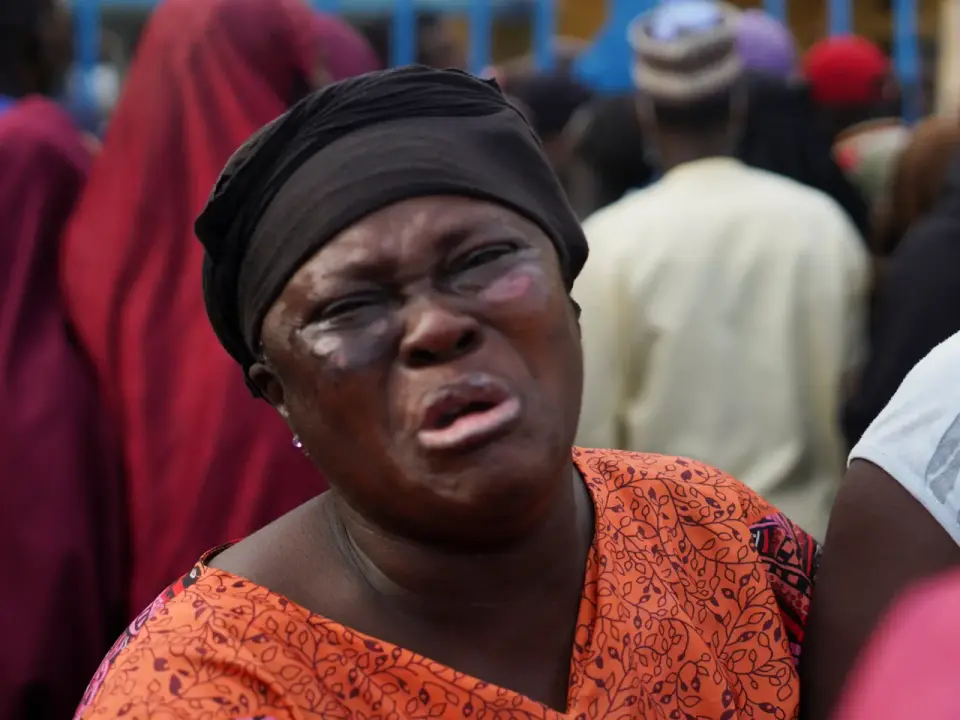
Thirty-seven suspected illegal miners died in Nigerian custody, sparking violent protests in Niger State. Authorities initially blamed disease, but evidence points to overcrowding and poor ventilation. Security forces used tear gas and live ammunition against demonstrators, leading to a curfew and the suspension of the local paramilitary commander.
Key points
- Thirty-seven people died while held by the Nigeria Security and Civil Defence Corps (NSCDC) in Niger State after being arrested for suspected illegal mining.
- Protests erupted in the state capital, Minna, with demonstrators attacking government facilities and public transport, leading to a 24-hour curfew.
- Security forces deployed tear gas and fired live ammunition or pellets during the unrest, resulting in at least one fatality on the streets.
- The NSCDC initially attributed the deaths to a disease outbreak, but an intelligence report and survivor accounts suggest overcrowding and lack of ventilation were the cause.
- Interior Minister Olubunmi Tunji-Ojo suspended the NSCDC commandant in Niger State, Suberu Siyaka Aniviye, pending a full investigation.
- State Governor Umar Bago declared three days of mourning and postponed election campaigning, while the bodies were buried without post-mortems.
Background
Niger State is rich in minerals, including gold, uranium, and lithium, making it a hub for artisanal mining. Illegal mining is prevalent and often linked to gang violence, with extracted gold frequently trafficked through global supply chains. Previous coverage noted ongoing investigations into the deaths and calls for accountability from rights groups.
How outlets are covering it
Al Jazeera and The Guardian emphasized the violent nature of the protests, noting that security forces fired live ammunition and that demonstrators targeted government buildings. BBC highlighted the discrepancy between the NSCDC's initial claim of a disease outbreak and the intelligence report suggesting suffocation due to overcrowding. All sources agreed on the suspension of the NSCDC commandant and the imposition of a curfew, but differed on the specific causes of the deaths, with BBC and The Guardian citing survivor accounts of suffocation, while Al Jazeera noted the NSCDC's initial disease theory was later clarified as unconfirmed.
Why it matters
The incident highlights the risks faced by artisanal miners in Nigeria and the potential for mass casualties in custody. It underscores tensions between security forces and local communities, as well as the challenges in regulating illegal mining in mineral-rich regions. The suspension of the NSCDC commandant and the promise of an investigation may set a precedent for accountability in similar cases.
What to watch
A full investigation into the deaths is underway, with medical examinations planned. The suspended NSCDC commandant may face further disciplinary action or legal proceedings depending on the investigation's findings. Protests may continue if the public is not satisfied with the outcome of the inquiry. The government may also face pressure to improve detention conditions and ensure transparency in future cases.
- Nigerian forces fire at protesters rallying over deaths of detained miners Al Jazeera
- Protests Erupt in Nigeria After Police Pack 66 Miners Into One Cell The New York Times
- Illegal mining in Niger state: 37 suspects die in Nigerian custody BBC
- Curfew imposed in Nigerian city after protests over deaths of detained miners Reuters
- Survivors recount panic and struggle to breathe in Nigerian prison cell where 37 died The Guardian
Want the full story? Read the original reporting
Read on Al Jazeera