
Haiti Delays Elections to 2027 as Salvadoran Troops Escalate Gang War
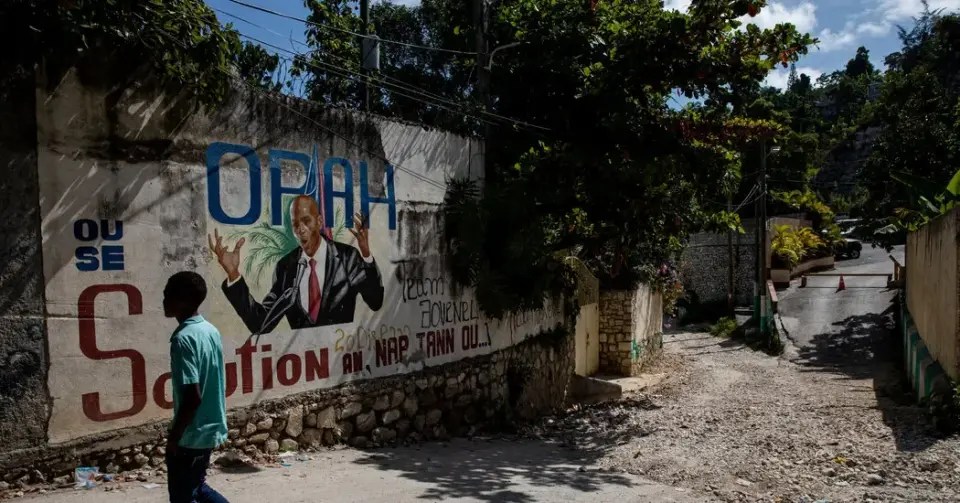
Haiti postponed its first presidential elections in over a decade until July 2027 due to unmanageable gang violence. Simultaneously, El Salvador deployed over 2,000 troops to Port-au-Prince to rescue four missing aviation technicians and combat gangs, raising concerns about civilian safety and command coordination.
Key points
- Haiti’s Provisional Electoral Council set the first round of general elections for July 18, 2027, and the second round for October 4, 2027.
- El Salvador sent more than 2,000 troops to Haiti, a force larger than the entire Haitian army, to rescue four missing technicians and fight gangs.
- The deployment follows an October 18 ambush in which four Salvadoran aviation technicians working with the UN-backed Gang Suppression Force (GSF) went missing.
- Experts warn that the addition of Salvadoran forces creates a fragmented security landscape with unclear command structures and potential risks for civilians.
- Doctors Without Borders reported treating 30 patients injured by gunfire or drone explosions between October 18 and 26, highlighting the danger to healthcare access.
Background
Haiti has not held presidential elections since 2016, with the presidency remaining vacant since the assassination of Jovenel Moïse in 2021. The country has been governed by an unelected prime minister, Alix Didier Fils-Aimé. Recent months saw a significant escalation in violence, including the largest attack on foreign peacekeepers in October 2026, which occurred as the country attempted to prepare for elections. The UN-backed Gang Suppression Force (GSF) arrived in April 2026 but has struggled to reach expected troop numbers and maintain security in Port-au-Prince, where gangs control approximately 90% of the capital.
How outlets are covering it
The New York Times emphasizes the postponement as a 'major but not surprising' blow, acknowledging that despite two international missions, Haiti has failed to control violence. CNN focuses on the 'wildcard' nature of El Salvador’s deployment, noting that the mission and mandate remain opaque and that President Nayib Bukele’s hardline tactics at home may not translate to Haiti’s complex urban battlefield. AP News highlights the specific election dates and the controversy surrounding the Salvadoran troops, noting that their numbers now surpass those of the GSF, raising questions about the future of the UN-backed force. All sources agree that the security situation is volatile, but they differ in emphasis: The Times views the delay as a consequence of failed security efforts, while CNN and AP focus on the risks of adding another uncoordinated military actor to the conflict.
Why it matters
The postponement of elections extends Haiti’s political vacuum, potentially undermining democratic legitimacy and international support. The massive Salvadoran deployment introduces a new, uncoordinated military actor into a fragile security environment, risking increased violence and civilian casualties. The lack of clear command structures and accountability for the Salvadoran forces could exacerbate the chaos in Port-au-Prince, where the healthcare system has already collapsed.
What to watch
Haiti’s Provisional Electoral Council expects to publish the final candidate list by mid-January 2027, with voter registration ending on May 20, 2027. El Salvador’s President Bukele has stated that the goal is to bring home the four missing technicians, but experts fear the troops may remain for an extended push against gangs. The UN and international observers will likely scrutinize the coordination between the Salvadoran forces, the GSF, and Haitian police to prevent further escalation.
- Amid Unrelenting Violence, Haiti Puts Off Its Long-Awaited Elections The New York Times
- Analysis: El Salvador’s Nayib Bukele adds a wildcard to Haiti’s fractured security landscape CNN
- El Salvador to send over 2,000 soldiers to Haiti for rescue while elections postponed Reuters
- Haiti announces new election dates as 2,000 Salvadoran troops help fight gangs AP News
- El Salvador sends 2,000 troops to Haiti to rescue four missing soldiers BBC
Want the full story? Read the original reporting
Read on The New York Times