
Seven EU Nations Demand Immediate Visa Ban for Russian Athletes Amid Sanctions Push
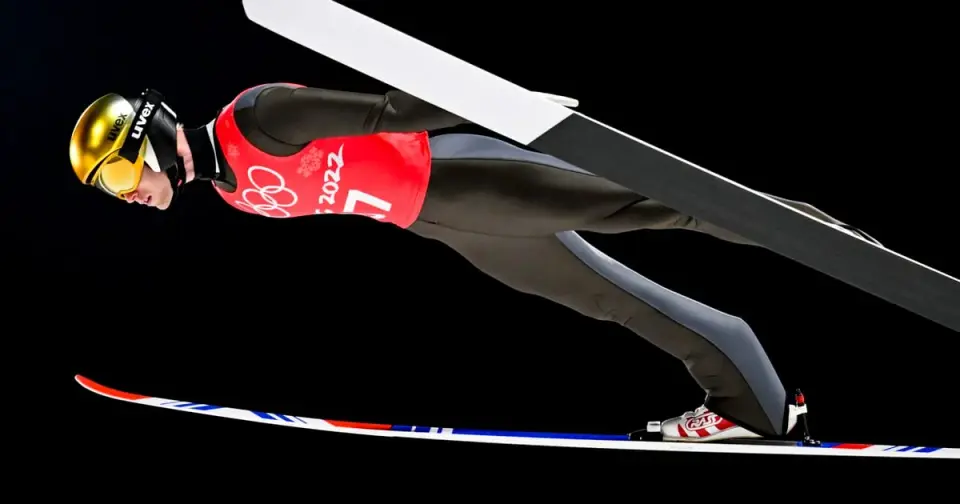
Seven EU leaders are urging immediate visa bans for Russian and Belarusian athletes, arguing that waiting for formal EU legislation is too slow. This push coincides with the European Commission’s proposal to ban Russian-flagged teams and restrict crypto and banking sectors. The move aims to prevent a perceived normalization of Russia’s war efforts through sporting participation.
Key points
- Denmark, Sweden, Poland, Finland, Estonia, Latvia, and Lithuania issued a joint letter demanding immediate visa stops for Russian and Belarusian athletes.
- The European Commission proposed banning athletes competing under the Russian flag and restricting visas for former combatants, but full implementation requires approval from all 27 member states.
- International sports federations have already cleared over 400 Russian and Belarusian athletes to compete as neutrals, prompting individual countries like Poland and Sweden to block entry.
- The Commission’s broader sanctions package targets 60 banks, crypto platforms, and shadow fleet vessels, aiming to disrupt war financing.
- The seven nations plan to press their case at an EU summit in Brussels on Thursday, citing the urgency of preventing a 'creeping acceptance' of Russia’s aggression.
Background
In October 2026, Finland led a push for an EU-wide ban on Russian tourist visas, arguing that national restrictions were insufficient due to open Schengen borders. The European Commission was expected to propose new visa regulations in January 2027, but the current crisis has accelerated political pressure to act before that legislative window opens.
How outlets are covering it
Politico highlights the diplomatic friction between the seven Nordic and Baltic states and the broader EU, emphasizing the urgency of immediate action versus the slow legislative process. ABC News focuses on the broader economic impact of the Commission’s new sanctions, including the removal of 60 banks from the Swift system and crypto crackdowns. The Moscow Times, while covering a separate story on Wildberries CEO Tatyana Kim, illustrates the broader trend of EU sanctions targeting Russian business leaders, though it does not directly address the sports visa debate. The sources differ in emphasis: Politico centers on the political urgency of the visa ban, while ABC News frames it as part of a comprehensive economic and security strategy.
Why it matters
The decision to block visas for athletes could set a precedent for broader restrictions on Russian participation in international events, signaling a shift from neutral competition to geopolitical exclusion. It also tests the EU’s ability to act swiftly on security and diplomatic issues without waiting for full legislative consensus, potentially influencing future responses to hybrid threats and sanctions evasion.
What to watch
The seven nations will present their case at the EU summit in Brussels on Thursday. The European Commission’s proposal must still be endorsed by all 27 member states, a process that could take weeks. If approved, the visa ban and sports restrictions would take effect, potentially leading to further unilateral actions by individual countries to block Russian athletes from hosting events.
- 7 EU countries push for ‘urgent’ visa ban on Russian and Belarusian athletes POLITICO.eu
- EU Commission proposes ban on Russian athletes, ex-fighters in new Russia sanctions package Reuters
- Who Is Tatyana Kim, the Wildberries CEO Who Just Stepped Down? The Moscow Times
- EU proposes sweeping new Russia sanctions targeting banks, crypto and sports events ABC News - Breaking News, Latest News and Videos
- Europe tightens sanctions on Russia. America loosens them The Economist
Want the full story? Read the original reporting
Read on POLITICO.eu