
BBC Investigation Reveals Whitby Breeder Sold Sick Puppies Despite Downgraded License
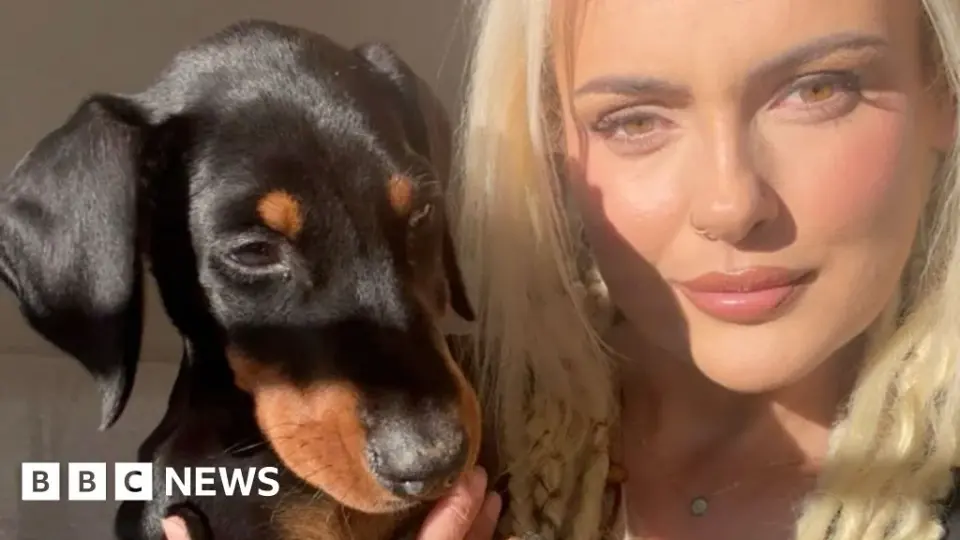
A BBC investigation reveals that a Whitby-based Dobermann breeder, Michael Estill, sold puppies for £2,000 each despite having his breeding license downgraded from five-star to one-star by North Yorkshire Council. Vet reports described the premises as 'akin to a prison' and the business as a 'puppy farm masquerading as an honest breeder.' Buyers reported severe health issues, including pneumonia and heart conditions, leading to over £5,000 in vet bills for some. The BBC found at least 15 other English breeders falsely advertising higher star ratings, highlighting a 'wild west' of dog licensing where consumers are easily scammed.
Key points
- Michael Estill, operating Mikjulora Dobermanns in Whitby, North Yorkshire, was downgraded from a five-star to a one-star breeding rating by North Yorkshire Council in January 2026, following vet reports of poor welfare standards.
- Despite the downgrade, Estill continued to advertise his business as five-star rated online and in person, misleading buyers like Katie Thornton, who paid £2,000 for a puppy that developed pneumonia within 48 hours.
- Vet reports cited 'poor' living conditions, including dogs kept in cages too small to turn around in, and alleged that Estill bullied a local vet into performing unnecessary procedures and administering powerful stimulants.
- The BBC investigation found that at least 15 other breeders in England are advertising puppies with star ratings higher than their actual council-assigned ratings, with 11 of 32 lower-rated breeders found making false claims in active adverts.
- North Yorkshire Council stated the threshold for revoking Estill's license was not met, claiming standards had improved, while experts like Dr. Caroline Allen described the current licensing system as an 'absolute wild west' that allows scammers to operate without detection.
- Buyers reported ongoing health issues, including dilated cardiomyopathy and eye abnormalities, with some dogs dying before age four; a Facebook group revealed 17 dogs from Estill died before age eight, with 10 dying before age four.
Background
This story follows broader concerns about animal welfare and regulatory failures in the UK, as seen in recent BBC investigations into housing exploitation and other consumer scams. The 2018 legislation intended to regulate dog breeding has been criticized for lack of enforcement, with no official central list of licensed breeders and inconsistent council oversight.
Why it matters
The investigation exposes systemic failures in UK dog breeding regulations, where local councils are not effectively enforcing welfare standards or revoking licenses for serious breaches. Consumers are vulnerable to fraud due to the absence of a centralized, transparent registry of breeder ratings, allowing unscrupulous operators to misrepresent their credentials and sell unhealthy animals. This highlights the urgent need for national oversight and stricter enforcement to protect both animal welfare and consumer rights.
What to watch
Defra is consulting on reforms to protect dogs' health and improve public transparency regarding breeder trustworthiness. Paws on the Doors is working to collate breeders' star ratings in a central database. Consumers are advised to verify breeder licenses directly with local councils and trust their instincts if red flags arise, as current systems do not reliably prevent fraud.
Want the full story? Read the original reporting
Read on BBC