
ICJ's Historic Myanmar Genocide Verdict Sets Precedent but Raises Legal Uncertainty
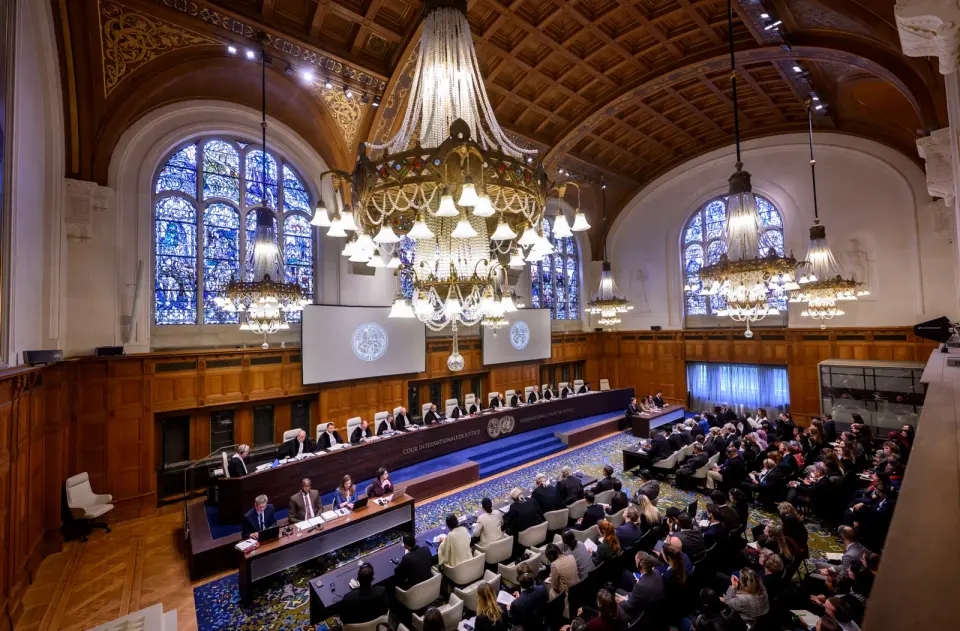
The International Court of Justice (ICJ) ruled 9-6 that Myanmar committed genocide against the Rohingya in 2016-2017, the first time a state has been held directly responsible for the crime. While the ruling establishes a new legal precedent, legal scholars argue it introduces significant uncertainty into how genocidal intent is proven, potentially impacting future cases like South Africa v. Israel.
Key points
- The ICJ found that Myanmar’s 2016-2017 'clearance operations' in Rakhine State constituted genocide, resulting in at least 10,000 deaths, 1,834 rapes, and the displacement of over 700,000 people.
- This is the first time the ICJ has found a state directly responsible for committing genocide, distinct from previous rulings on failure to prevent or punish such acts.
- The court ordered Myanmar to investigate, prosecute, and punish those responsible, as well as to provide reparations, though the ICJ lacks direct enforcement mechanisms.
- The UK sanctioned five senior Myanmar military leaders following the ruling, with Foreign Secretary Ed Miliband calling for an immediate pause in hostilities and humanitarian aid access.
- Legal experts warn that the judgment’s new 'holistic' approach to proving intent may blur the lines between genocide and other war crimes, creating uncertainty for future cases involving armed conflict.
Background
The 1948 Genocide Convention has rarely been used to hold states directly liable for the crime. Previous ICJ cases, such as Bosnia v. Serbia (2007) and Croatia v. Serbia (2015), focused on the failure to prevent or punish genocide rather than direct commission. The current ruling by The Gambia against Myanmar marks a significant shift in the application of the Convention, moving beyond the 'only reasonable inference' standard established in earlier cases to a more comprehensive assessment of contextual factors.
How outlets are covering it
While The Guardian and The New York Times emphasize the historic nature of the verdict and the need for stronger preventive systems, legal scholars Amichai Cohen and Yuval Shany argue that the judgment creates legal uncertainty. They contend that the court’s new 'holistic' approach to inferring intent may lower the threshold for proving genocide, potentially blurring the distinction between genocide and other international crimes like war crimes or ethnic cleansing. The BBC highlights the immediate diplomatic response, including UK sanctions, while noting the lack of enforcement mechanisms. The dissenting judges at the ICJ argued that the majority 'substantially lowered the standard' set by previous precedents, warning that the new framework borders on arbitrariness.
Why it matters
The ruling sets a critical precedent for the definition and proof of genocide in international law, potentially influencing ongoing cases such as South Africa v. Israel. It also highlights the gap between legal accountability and practical enforcement, as the ICJ lacks coercive power to ensure compliance. The decision underscores the need for stronger international mechanisms to prevent and respond to atrocities, moving beyond symbolic condemnation to actionable policy and legal frameworks.
What to watch
Myanmar is now legally obligated to investigate and prosecute those responsible for the genocide, though enforcement remains uncertain. The UK and other nations are expected to raise the issue at the UN Security Council. The legal framework established by this judgment will likely be scrutinized in future cases, particularly those involving armed conflicts in densely populated areas, where the distinction between lawful military action and genocidal intent may become increasingly contested.
- Gambia v. Myanmar: A Landmark Judgment That Unsettles the Law of Genocide Just Security
- Words are not enough after the Myanmar genocide ruling. The world can do better – but it must take these steps The Guardian
- UK sanctions top Myanmar military leaders after Rohingya genocide ruling BBC
- Opinion | Defining Genocide Down at the International Court of Justice WSJ
- A Landmark Genocide Ruling The New York Times
Want the full story? Read the original reporting
Read on Just Security