
China Deploys Balloons and Naval Fleet Near Taiwan Ahead of Local Elections
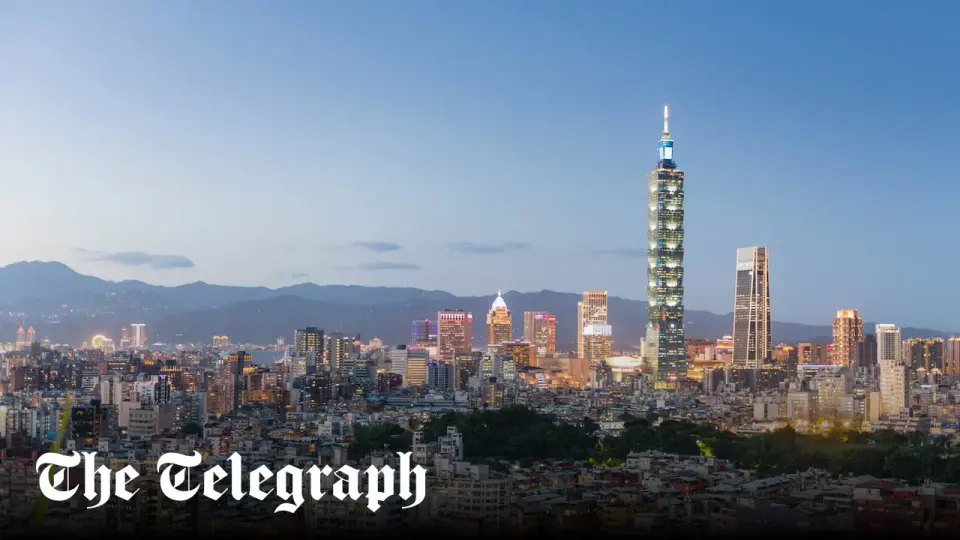
China has intensified military and informational pressure on Taiwan ahead of its November 28 local elections. At least 11 surveillance balloons were detected over the island in three days, coinciding with sightings of 24 military aircraft and 11 warships. This activity follows a large-scale, unnamed naval exercise involving over 100 vessels in late November, which Taiwanese officials described as a rehearsal for blockade tactics. While Beijing hosted the APEC summit in Shenzhen to project diplomatic stability, including a trilateral meeting with the US and Russia, it simultaneously downgraded protocol for Japan and Taiwan. Taiwan’s mainland affairs council condemned the balloon sightings and alleged Chinese interference via 2,700 social media accounts as an attempt to coerce voters. The DPP and KMT are campaigning for 11,000 posts, with the Taipei mayoral race viewed as a key indicator of cross-strait relations.
Key points
- At least 11 spy balloons were detected over Taiwan between Friday and Sunday, with four seen on Friday and three at night on Sunday.
- Taiwan’s defense ministry reported 24 military aircraft and 11 warships near the island on Sunday, part of a suspected harassment campaign.
- Taiwan is holding local elections on November 28 for 11,000 positions, including city mayors and councillors.
- In late November, the PLA deployed over 100 naval and coast guard vessels in an unnamed exercise, described by officials as exceeding the scale of previous drills like Justice Mission 2025.
- The Liaoning carrier strike group participated in area-denial exercises, while the Fujian carrier operated in the South China Sea.
- Taiwan flagged nearly 2,700 social media accounts to Meta, alleging they were part of a Chinese information warfare campaign targeting DPP politicians.
Background
This escalation follows a pattern of increased Chinese military pressure around Taiwan during key political events. In 2024, Beijing deployed over 100 balloons during Taiwan’s presidential and legislative elections, claiming meteorological purposes. Recent archive coverage notes that Beijing has also subsidized flights for Taiwanese voters to influence the November 28 elections and launched a new nuclear submarine. Additionally, tensions with Japan have risen, with Beijing restricting rare earth exports and snubbing PM Takaichi at APEC due to her 2025 remarks linking a Taiwan crisis to Japanese self-defense forces. Taiwan has also warned Canada that deepening ties with China risks economic coercion, citing its own experience with Beijing’s leverage.
How outlets are covering it
The Telegraph focuses on the immediate pre-election harassment, highlighting the balloon sightings and alleged social media interference as direct attempts to influence the November 28 vote. Taiwan News and the Taipei Times provide a broader strategic context, arguing that the recent naval exercises and APEC diplomatic maneuvers are part of a long-term effort to normalize military encirclement and isolate Taiwan. They criticize the international community’s passivity, noting that while the G7 expressed concern, no concrete consequences were imposed on Beijing. The Taipei Times emphasizes the contradiction between Beijing’s diplomatic posture at APEC and its military actions, pointing out the deliberate downgrade of protocol for Japan and Taiwan. All sources agree that China’s actions are designed to test international resolve and pressure Taiwan’s democratic process, but they differ in emphasis: The Telegraph highlights the electoral interference, while the other outlets focus on the strategic normalization of military pressure and the failure of international deterrence.
Why it matters
The combination of military drills, surveillance balloons, and information warfare ahead of Taiwan’s local elections signals a significant escalation in Beijing’s coercive tactics. The unnamed naval exercise, involving over 100 vessels and carrier groups, suggests China is rehearsing blockade and area-denial strategies that could impede international intervention in a future conflict. The diplomatic snubbing of Japan and Taiwan at APEC, despite Beijing’s peace rhetoric, indicates a strategy of dividing democratic partners while maintaining a facade of global responsibility. For Taiwan, the pressure aims to influence the outcome of the 11,000 local elections, particularly the Taipei mayoral race, which is seen as a referendum on cross-strait relations. For the international community, the lack of concrete response to these actions risks normalizing China’s expanding military presence in the Indo-Pacific, potentially increasing the risk of a broader conflict that could affect global supply chains and security.
What to watch
Taiwan will hold its local elections on November 28, with results likely to be closely monitored for signs of Chinese influence. The DPP and KMT will continue campaigning, with the Taipei mayoral race between Chiang Wan-an and Puma Shen serving as a key indicator of public sentiment on cross-strait relations. Beijing may continue its pattern of military and informational pressure, potentially escalating if the elections do not yield pro-China outcomes. International partners, including the US, Japan, and the Philippines, may face pressure to respond to China’s naval exercises and diplomatic snubs, though concrete actions remain uncertain. Taiwan’s mainland affairs council and defense ministry will likely continue to monitor and report on Chinese military activities, while also pushing for deeper cooperation with allies in maritime security and technology resilience.
- China sends spy balloons over Taiwan before crucial elections The Telegraph
- China's drills expose cost of inaction on Taiwan Taiwan News
- Officials slam Xi’s contradictory actions Taipei Times
- Biden says 'not worried' about Chinese drills, but concerned about scale Yeni Safak English
- PLA activities in the waters and airspace around Taiwan 中華民國國防部- 全球資訊網
Want the full story? Read the original reporting
Read on The Telegraph