
Border Cave reveals 150,000-year tradition of organized grass bedding
TL;DR
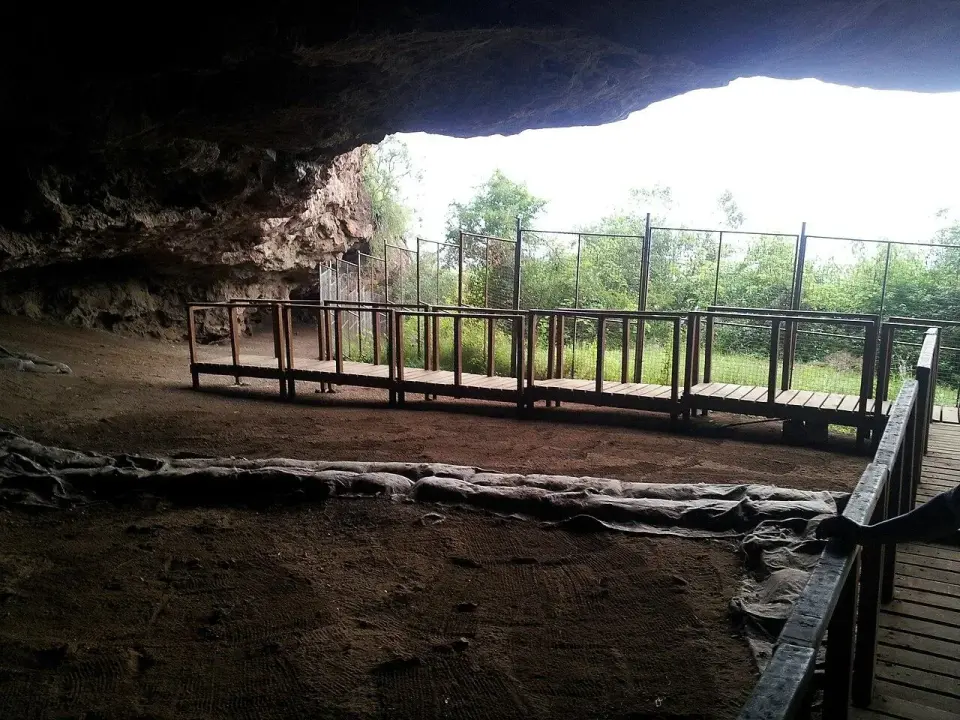
Microscopic study of Border Cave sediments shows Middle Stone Age residents maintained plant-based bedding for over 150,000 years, often layering beds over ash to keep sleeping areas dry, warm, and insect-free. Researchers identified six bedding microfacies and signs of repeated maintenance and renewal, suggesting long-term, structured domestic space management well before agriculture.
- Stone Age humans built complex grass beds at Border Cave 200,000 years ago, study finds Archaeology News Online Magazine
- A 200,000-Year-Old Cave Discovery Is Changing What Scientists Know About Early Humans VICE
- 200,000-Year-Old Grass Bedding Found In Border Cave Reveals How Ancient Humans Made Their Beds IFLScience
- South African Cave Reveals 200,000-Year-Old Human Beds GreekReporter.com
- Stone Age humans were already sleeping on beds prepared with grass over ashes more than 200,000 years ago La Brújula Verde
Want the full story? Read the original reporting
Read on Archaeology News Online Magazine