Researchers detected common eland protein in a 60,000-year-old ochre layer at Klipdrift Shelter in South Africa, suggesting early humans mixed animal materials with pigments for symbolic or practical purposes.
Microscopic study of Border Cave sediments shows Middle Stone Age residents maintained plant-based bedding for over 150,000 years, often layering beds over ash to keep sleeping areas dry, warm, and insect-free. Researchers identified six bedding microfacies and signs of repeated maintenance and renewal, suggesting long-term, structured domestic space management well before agriculture.
Fossils from Ethiopia's Afar Rift show burning traces on Homo sapiens bones dating around 100,000 years ago, possibly the oldest evidence of cremation and suggesting varied postmortem practices among early humans.
Researchers in Ethiopia have discovered evidence at the Shinfa-Metema 1 site showing that a human population survived the Toba supervolcano eruption 74,000 years ago. The findings suggest that humans may have dispersed during arid intervals along "blue highways" created by seasonal rivers, challenging previous hypotheses about human migration. The discovery of stone tools also indicates the oldest evidence of archery. The study's implications include the ability to correlate archaeological sites across Africa with a time resolution of weeks, shedding new light on the impact of the Toba eruption on early human populations.
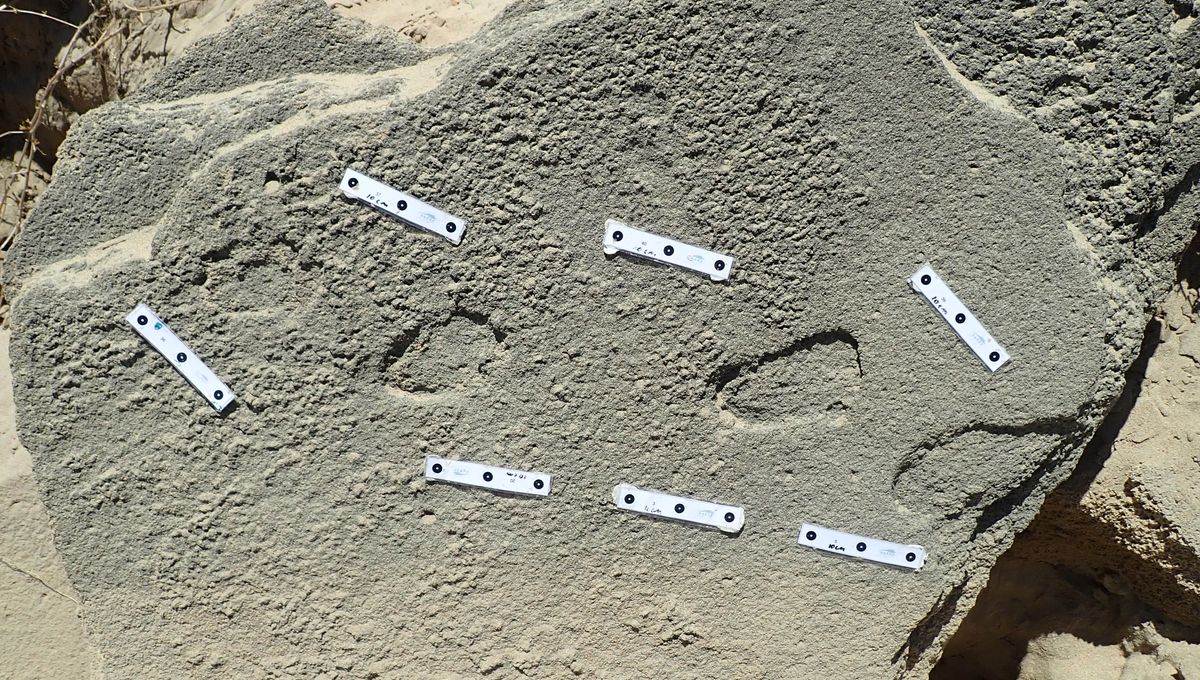
A new study from the University of the Witwatersrand in South Africa suggests that ancient humans may have been wearing shoes as early as 75,000-150,000 years ago, during the Middle Stone Age. Previous research had suggested that people in South Africa only began wearing footwear about 2,000 years ago. The evidence for ancient shoes comes from fossilized imprints found along South Africa's Cape Coast, resembling tracks made by shoes. The researchers believe that these imprints provide persuasive data that ancient humans were wearing shoes for protection. This discovery challenges previous assumptions about the history of footwear and suggests that the region of southern Africa has been a hub for developing cognitive and practical abilities for an extended period.
Ancient footprints found in South Africa suggest that humans may have worn shoes as early as 148,000 years ago. The footprints, which show no toes but have crisp edges and possible evidence of strap attachment points, were found at three different locations on the Cape coast. While researchers are cautious about drawing firm conclusions, experiments with sandals resembling historical Indigenous San footwear revealed similar markings. The use of shoes in the Middle Stone Age may have been motivated by the need to protect feet from sharp rocks while coastal foraging. This discovery provides potential evidence of the earliest use of footwear by humans.
The oldest directly dated archaeological site in West Africa has been discovered, extending the known timeframe of Middle Stone Age toolkits in the region to 150,000 years ago. The site, Bargny 1, shows technological continuity spanning roughly 140,000 years and offers insights into the ecological stability of the region. The enduring cultural continuity may be due to stable behavioral adaptation to stable environmental conditions and potential isolation from other populations across Africa.