
Hong Kong Court Convicts Tiananmen Vigil Leaders of Subversion
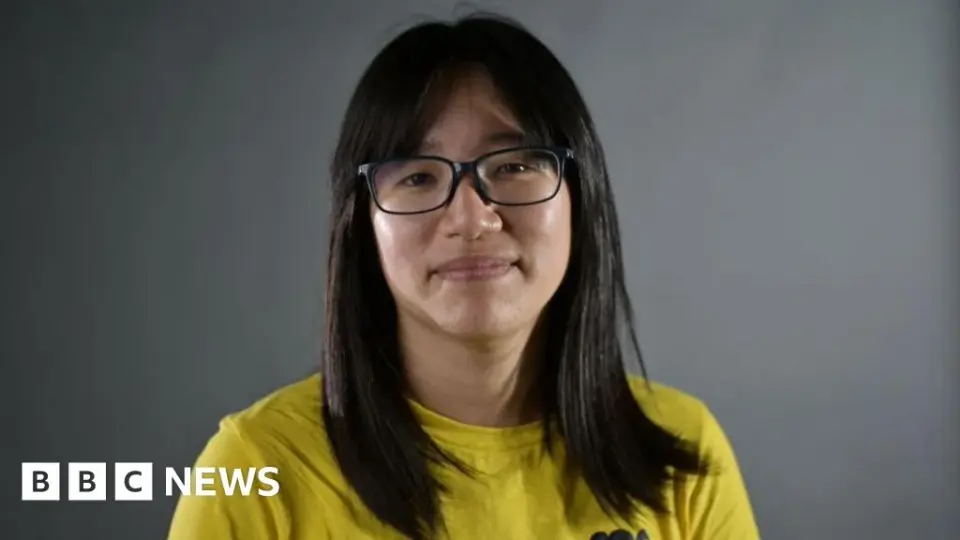
Lee Cheuk-yan and Chow Hang-tung have been found guilty of inciting subversion for organizing annual vigils commemorating the 1989 Tiananmen Square crackdown. The verdict, delivered by a three-judge panel in Hong Kong, marks a significant escalation in Beijing's crackdown on dissent. Both activists face up to 10 years in prison, while a third defendant, Albert Ho, previously pleaded guilty. The case highlights the erosion of Hong Kong's autonomy and the suppression of public remembrance for the 1989 events.
Key points
- Lee Cheuk-yan (69) and Chow Hang-tung (41) were convicted at West Kowloon Court for inciting others to subvert state power.
- The defendants, former leaders of the Hong Kong Alliance, face a maximum penalty of 10 years under the 2020 national security law.
- Albert Ho, 74, pleaded guilty in January and awaits sentencing; all three have been in pre-trial custody since late 2021.
- The annual candlelight vigils in Victoria Park, once the only large-scale public commemoration in Chinese territory, were banned in 2020 and have not resumed.
- Chow Hang-tung, a lawyer, defended herself, arguing the law itself was on trial and that peaceful advocacy was criminalized.
Background
This conviction follows a broader pattern of tightening controls in Hong Kong since the 2019 protests. Recent developments include raids on independent bookshops for seditious materials and new laws targeting critics abroad. The 2020 national security law, which criminalizes secession, subversion, and collusion with foreign forces, has been central to this crackdown. Prior to the 2020 ban, the Hong Kong Alliance organized annual vigils that drew thousands of participants, a tradition that ended after the law's implementation.
How outlets are covering it
BBC and CNN report the conviction as a pivotal moment in the suppression of dissent, emphasizing the activists' roles in the now-defunct Hong Kong Alliance. CNN highlights the defense argument that the campaign was for democracy, not the toppling of the state, and notes the pre-trial custody of the defendants. AP News focuses on the legal proceedings and the broader context of the national security law. Amnesty International, cited by BBC, criticizes the case for relying on vague definitions of 'subversion' and calls for the immediate release of the activists as prisoners of conscience. In contrast, the Hong Kong government, as reported by CNN, condemns the verdict as biased and asserts that the national security law is necessary to maintain stability and protect rights.
Why it matters
The conviction of prominent activists underscores the continued erosion of Hong Kong's autonomy and the chilling effect of the national security law on public expression. It signals Beijing's determination to suppress any public remembrance of the 1989 Tiananmen Square crackdown, a topic that remains heavily censored in mainland China. The case also highlights the tension between Beijing's assertion of control and international concerns over human rights and freedom of expression in the city.
What to watch
Sentencing for Lee Cheuk-yan and Chow Hang-tung is expected at a later date. The case may set a precedent for future prosecutions under the national security law, potentially leading to further restrictions on dissent and public gatherings. International reactions, including potential diplomatic responses from Western nations, will be closely watched as the case progresses.
- Hong Kong's Tiananmen Square activists guilty in national security trial BBC
- Tiananmen vigil organizers found guilty of inciting subversion in Hong Kong CNN
- 2 organizers of Hong Kong’s Tiananmen vigils convicted in national security case AP News
- Court convicts 2 organizers of Hong Kong’s Tiananmen vigils in national security case NBC News
- Hong Kong Court Convicts Activists Who Organized Tiananmen Vigils WSJ
Want the full story? Read the original reporting
Read on BBC