
Hong Kong court sentences Joshua Wong to 10 years for second national security conviction
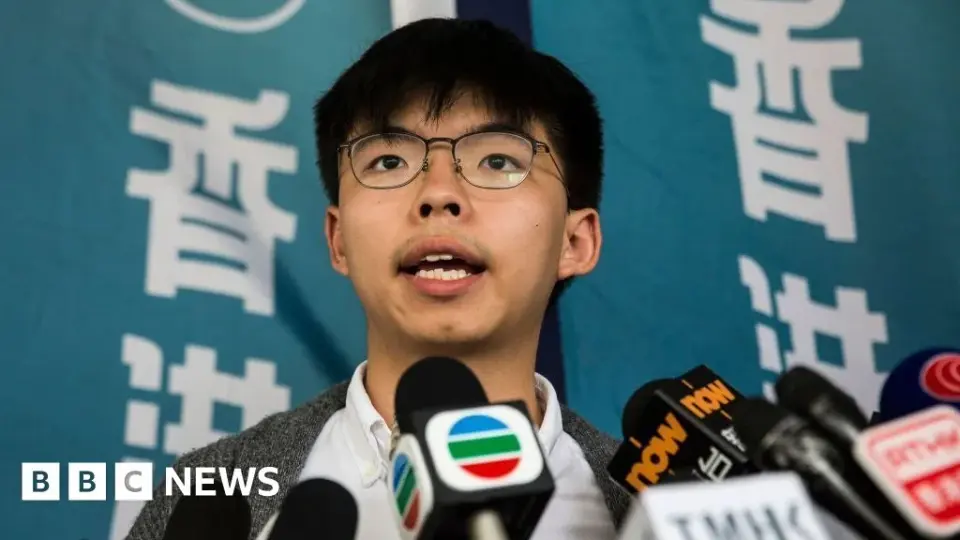
Joshua Wong, a former face of Hong Kong’s pro-democracy movement, has been sentenced to 10 years in prison for colluding with foreign forces under the city’s national security law. The sentence, handed down on November 5, 2026, extends his incarceration well beyond his previously expected release in January 2027. Wong, who turned 30 last month, pleaded guilty in September to conspiracy charges related to lobbying for foreign sanctions against Beijing between 2020 and late 2020. He is already serving a 4-year, 8-month term for subversion. Critics describe the ruling as part of a broader crackdown on dissent, while authorities maintain the law is necessary for stability. Wong is the only political prisoner convicted twice under the national security law.
Key points
- Wong received a 10-year sentence for colluding with foreign forces, his second conviction under the national security law.
- The new sentence runs concurrently with his existing 4-year, 8-month term for subversion, extending his incarceration beyond January 2027.
- Prosecutors alleged Wong conspired with exiled activist Nathan Law to lobby for foreign sanctions against Beijing in 2020.
- Wong pleaded guilty in September 2026; the judge described the case as 'grave' and stated the punishment must fit the gravity of the crime.
- Wong has been imprisoned multiple times since 2020, including for his role in the '47 case' subversion trial in 2024.
- Hong Kong Chief Executive John Lee called Wong and Law 'primary culprits' undermining stability, while Beijing’s foreign ministry supported the ruling.
Background
Wong rose to prominence in 2012 as a teenage activist in the Scholarism movement, which successfully opposed mandatory patriotic education in schools. He became a key figure in the 2014 Umbrella Movement and co-founded the pro-democracy party Demosisto in 2016. Beijing imposed the national security law in 2020 following large-scale pro-democracy protests in 2019. Wong was arrested in 2020 and has faced multiple charges since, including subversion and foreign collusion. The law has led to the disbandment of civic groups, the closure of independent media, and the imprisonment of hundreds of activists. Wong’s previous expected release was in January 2027, but the new sentence extends his incarceration to at least 2036.
How outlets are covering it
BBC and CNN emphasize the legal proceedings and the judge’s rationale, noting the sentence’s severity and the concurrent nature of the terms. AP News highlights Wong’s personal journey from teenage activist to long-term prisoner, focusing on his resilience and letters from jail. The Guardian, via Nathan Law, criticizes the evidence as flimsy and frames the case as a political tool to suppress dissent, arguing that Beijing uses the law to erase democratic history. Hong Kong and Chinese authorities, as reported by BBC and CNN, defend the law as necessary for stability and label Wong and Law as 'masterminds' undermining national security. International reactions vary: the UK and Human Rights Watch condemn the sentence as unjust, while Beijing’s foreign ministry supports the ruling and calls for respect for China’s sovereignty. Critics argue the law has silenced dissent, while authorities maintain it has restored order.
Why it matters
The sentencing of Joshua Wong, a prominent figure in Hong Kong’s pro-democracy movement, underscores the ongoing impact of Beijing’s national security law on dissent in the city. The case highlights the tension between China’s assertion of sovereignty and international concerns over human rights and democratic freedoms. Wong’s second conviction signals a continued crackdown on pro-democracy activists, with critics arguing the law is used to suppress political expression. The ruling also reflects Beijing’s determination to maintain control over Hong Kong, despite international criticism. For the global community, the case raises questions about the effectiveness of diplomatic pressure and the future of Hong Kong’s autonomy under Chinese rule.
What to watch
Wong will remain in prison until at least 2036, as the 10-year sentence runs concurrently with his existing term. International organizations and governments may continue to call for his release, though Beijing has dismissed such calls as interference. The case may influence future prosecutions under the national security law, with authorities potentially targeting other pro-democracy figures. Wong’s supporters, including exiled activists, may continue to advocate for his release and highlight the impact of the law on Hong Kong’s civil society. The case also serves as a reminder of the broader crackdown on dissent in Hong Kong since 2020, with critics arguing that the law has effectively silenced pro-democracy voices.
- Joshua Wong, face of Hong Kong's pro-democracy protests, jailed for 10 years BBC
- Once a teen activist, Hong Kong’s Joshua Wong is spending years of his adult life in prison AP News
- In jailing Joshua Wong, China is telling the world they'd crush every hope for democracy on its soil | Nathan Law The Guardian
- Hong Kong democracy campaigner Joshua Wong handed another 10 years in jail CNN
- US, UK and others condemn sentencing of Hong Kong activist Joshua Wong Reuters
Want the full story? Read the original reporting
Read on BBC