
Hong Kong Court Rejects Appeal by Cardinal Zen, Upholding National Security Conviction
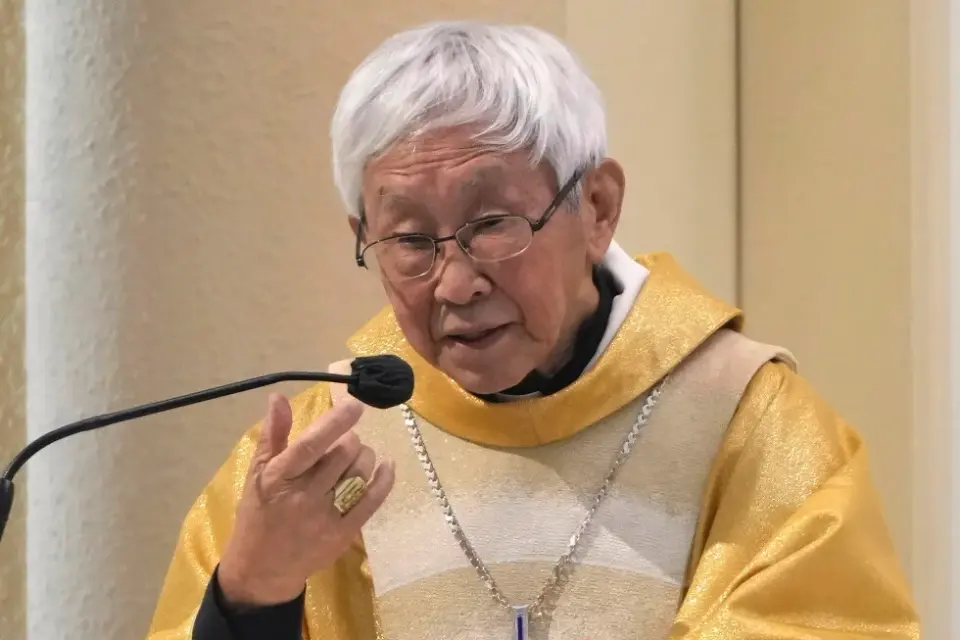
A Hong Kong court has upheld the conviction of Cardinal Joseph Zen, a prominent Catholic figure, under the city's national security law. The ruling reinforces the strict enforcement of the 2020 security legislation, which has significantly curtailed pro-democracy activism and religious freedoms in the former British colony. Zen's case, stemming from the 2019 protests, marks a significant legal precedent for the application of the law against religious leaders.
Key points
- A Hong Kong court upheld the conviction of Cardinal Joseph Zen under the national security law.
- The conviction relates to actions during the 2019 protests, which were sparked by a proposed extradition bill.
- The 2020 national security law has severely impacted pro-democracy movements and religious freedoms in Hong Kong.
- Zen stated his case should not be linked to broader issues of religious freedom in the city.
- Beijing and Hong Kong authorities maintain the law is essential for stability, despite concerns from international observers.
Background
This ruling follows a series of high-profile cases involving Hong Kong activists and religious figures under the national security law. In September 2026, pro-democracy activist Joshua Wong pleaded guilty to conspiring with foreign forces, marking his second national security conviction. Earlier in 2026, courts also weighed sentences for organizers of the banned Tiananmen vigil, highlighting the law's reach into memorial activities. These cases reflect the ongoing tension between Beijing's security measures and the 'one country, two systems' framework that governs Hong Kong's autonomy since its 1997 handover.
Why it matters
The upholding of Cardinal Zen's conviction signals the continued and rigorous application of Hong Kong's national security law, even against high-profile religious figures. This decision underscores the erosion of civil liberties and the chilling effect on dissent in the city, raising concerns about the future of religious freedom and political expression under Chinese rule.
What to watch
The court's decision is final, and Zen will likely serve his sentence. The ruling may influence future cases involving religious leaders or other activists in Hong Kong, potentially setting a precedent for the interpretation of the national security law. International observers may continue to monitor the impact of such rulings on Hong Kong's autonomy and its relationship with mainland China.
Want the full story? Read the original reporting
Read on AP News