
Borneo Haze Crisis: 277,000 Respiratory Cases and Firefighter Fatalities in Indonesia
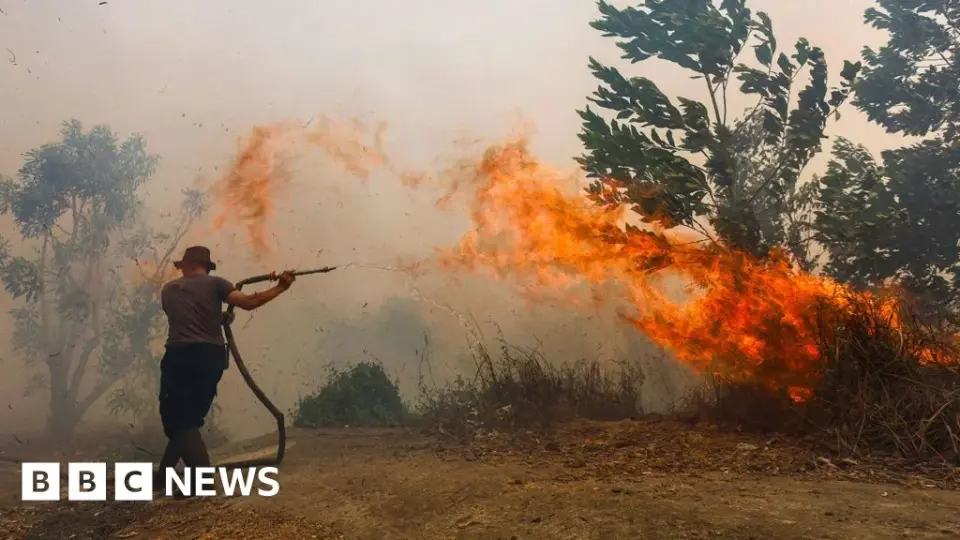
A severe wildfire crisis in Indonesian Borneo has burned 1.9 million hectares since January, creating a toxic haze that has caused over 277,000 respiratory cases and killed four firefighters. The situation, exacerbated by a 'Super El Niño' and peatland fires, has forced residents to stay indoors and disrupted regional life.
Key points
- 1.9 million hectares burned in Indonesia since January, with 1 million hectares lost in September alone.
- Over 277,000 respiratory cases recorded, including 62,000 among children under five.
- Four firefighters and volunteers died after being trapped in a national park.
- Haze has drifted to Singapore, Malaysia, and the Philippines, causing regional diplomatic tensions.
- Firefighters report peatland fires are extremely difficult to extinguish due to water scarcity.
Background
This crisis follows a series of earlier reports in late September and October 2026, which documented rising respiratory cases, international legal threats from Singapore, and the deployment of experimental weather modification techniques like dry ice dispersal. The current situation represents a significant escalation in both the scale of the fires and the health impact on the population.
How outlets are covering it
BBC emphasizes the human toll, highlighting the daily struggles of residents like Dianyra Eka Nastiti and the physical exhaustion of firefighters battling peat fires. AP News focuses on the tragic loss of life, reporting that four firefighters and volunteers were killed after being trapped in a national park. While BBC notes the government's claim of an 80% success rate in extinguishing new fires, AP highlights the fatal consequences of the response efforts.
Why it matters
The crisis highlights the severe health and environmental risks posed by peatland fires and climate change. The toxic haze has caused widespread respiratory issues, disrupted daily life, and strained international relations, underscoring the need for more effective and sustainable fire management strategies in Southeast Asia.
What to watch
Authorities are continuing to deploy personnel and experimental weather modification techniques to combat the fires. However, the lack of rainfall and the difficulty of extinguishing peatland fires suggest that the crisis may persist for some time. International pressure and legal actions from neighboring countries may also influence future responses.
- Borneo is burning - living on the frontline of Asia's toxic haze BBC
- Indonesia's burned land doubles in September as fires rage, data shows Reuters
- Blame game erupts between Jakarta and provinces as Indonesia fires rage The Straits Times
- Wildfire traps firefighters and volunteers in Indonesia’s Mount Bromo national park, killing 4 AP News
- Indonesia haze disrupts over 2,600 flights, forces 14 cancellations on Singapore routes CNA
Want the full story? Read the original reporting
Read on BBC