
Joshua Wong’s prison letters reveal a focus on legacy and law amid second national security conviction
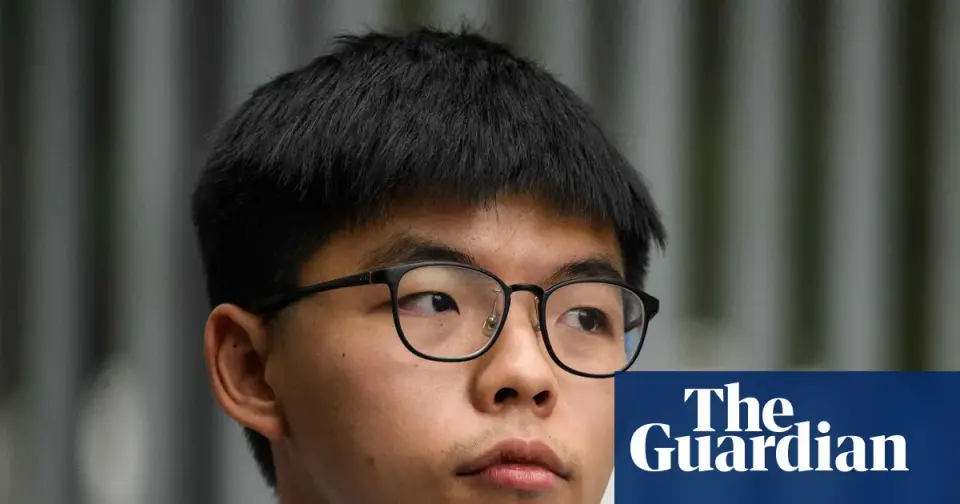
Joshua Wong, the Hong Kong pro-democracy activist, has been sentenced to 10 years in prison for his second conviction under Beijing’s national security law. The sentence, for foreign collusion, runs concurrently with his existing term for subversion, extending his incarceration well beyond his previously expected release in January 2027. While inside Stanley Prison, Wong has engaged in legal studies, physical exercise, and reading, including works by Nelson Mandela and Alexei Navalny. He is the only pro-democracy activist prosecuted twice under the legislation, a move critics describe as an attempt to erase the political history of his generation.
Key points
- Wong was sentenced to 10 years on November 5 for conspiracy to collude with foreign forces, his second conviction under the 2020 national security law.
- The new sentence runs concurrently with his existing term for subversion, meaning he will remain incarcerated beyond his previous expected release date of January 2027.
- Wong pleaded guilty to the foreign collusion charge in September 2026, after authorities waited nearly five years to prosecute him.
- Inside Stanley Prison, Wong has studied law, taught English to other inmates, and read books including the memoirs of Alexei Navalny and Nelson Mandela.
- Wong is the only pro-democracy activist to be prosecuted twice under the national security legislation, which has led to over 400 arrests since its implementation.
- Exiled activists argue the delayed prosecution and sentencing aim to control how the political history of the 2014 and 2019 movements is remembered.
Background
Wong rose to prominence during the 2014 Umbrella protests and was later imprisoned for his role in the 2019 demonstrations. Beijing introduced the national security law in 2020 to restore stability, a move critics say granted sweeping powers to suppress dissent. Since then, independent newsrooms have closed, and much of the political opposition has been forced into exile. Wong’s current incarceration extends his time in prison, where he has spent his 21st, 25th, and 30th birthdays.
Why it matters
The case highlights the long-term impact of Hong Kong’s national security law on prominent dissidents. By prosecuting Wong twice and delaying the second charge until just before his expected release, authorities have extended his incarceration and limited his public voice. This development underscores the broader crackdown on free speech and political opposition in the city, raising concerns about the erasure of historical memory and the future of pro-democracy activism in the region.
What to watch
Wong will serve his two sentences concurrently, remaining in prison well beyond January 2027. His continued incarceration may further silence his public commentary, while exiled activists and international observers will likely monitor the case as a symbol of the ongoing restrictions on dissent in Hong Kong. The legal and political implications of the national security law may continue to shape the city’s political landscape and the fate of its remaining activists.
- ‘I worry people will forget Hong Kong’: Joshua Wong laments city’s fate from inside maximum security prison The Guardian
- Joshua Wong, Hong Kong Democracy Activist, Is Sentenced to 10 Years in Prison The New York Times
- UK and US condemn ‘cruel’ second jail term handed to Hong Kong activist Joshua Wong The Guardian
- Hong Kong Extends Jailed Activist Joshua Wong’s Prison Term by 10 Years WSJ
- Hong Kong's Joshua Wong: From teenage protest leader to a decade behind bars Reuters
Want the full story? Read the original reporting
Read on The Guardian