
Singapore PM threatens legal action over Indonesian haze as Greenpeace names local firms
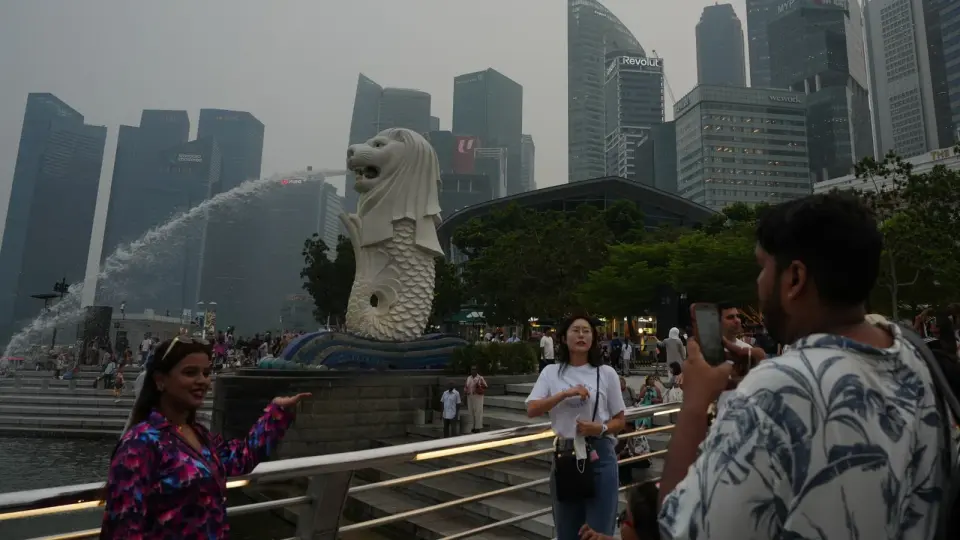
Singapore faces its worst air quality in three years due to smoke from Indonesian fires, prompting Prime Minister Lawrence Wong to threaten legal action against responsible companies. The haze, worsened by a 'super' El Niño, has disrupted daily life and major events like the Formula 1 Grand Prix, while Greenpeace has linked Singapore-listed palm oil firms to the fires.
Key points
- Air quality in Singapore reached 'unhealthy' levels on September 4, the first time in nearly three years, with the city topping global pollution rankings.
- Prime Minister Lawrence Wong warned that the government could take legal action under the Transboundary Haze Pollution Act against companies responsible for fires in Indonesia.
- Greenpeace identified plantation areas linked to Singapore-listed firms Bumitama Agri and First Resources, as well as First Borneo Plantations, as sites of detected fires and smoke.
- The haze has disrupted daily life, causing 16 flight diversions at Seletar Airport and reducing business for outdoor dining establishments.
- Malaysia has offered to deploy water bombers, with its Second Finance Minister calling for a coordinated ASEAN response to the crisis.
Background
Singapore has experienced transboundary haze annually, but the current situation is exacerbated by a 'super' El Niño, which has created bone-dry conditions in Indonesia. Previous coverage noted that the Formula 1 Grand Prix proceeded despite record haze, and diplomatic tensions have been a recurring theme in regional haze disputes.
How outlets are covering it
CNBC emphasizes the government's potential legal action and the impact on businesses, while CNN highlights the severity of the pollution and its impact on major events like the F1 Grand Prix. The Straits Times focuses on the specific corporate accountability, detailing Greenpeace's findings and the responses from the named companies, such as First Resources disputing the claims. Malaysia's perspective, as reported by CNBC, stresses the need for a regional solution, contrasting with Singapore's focus on legal recourse.
Why it matters
The haze crisis highlights the ongoing environmental and diplomatic tensions in Southeast Asia, particularly regarding the impact of palm oil plantations and climate change. It also tests the effectiveness of Singapore's Transboundary Haze Pollution Act and the region's ability to coordinate a response to a shared environmental challenge.
What to watch
The Singaporean government is expected to continue monitoring air quality and may proceed with legal action if sufficient evidence is found. Indonesia is expected to continue its firefighting efforts, potentially with assistance from neighboring countries. The impact on major events and businesses in Singapore and Malaysia will be closely monitored as the situation evolves.
- Gasping for clean air: Singapore battles relentless haze as Prime Minister Wong warns of action CNBC
- Singapore pollution spikes, East Timor shuts schools as Indonesia wildfire haze intensifies Reuters
- One of the world’s wealthiest cities is enduring the world’s most polluted air. Here’s why CNN
- Two S’pore-listed palm oil firms named in Greenpeace report on Indonesian plantation fires The Straits Times
- Singapore Haze Drives Air Purifiers, Face Masks to Sell Out Bloomberg.com
Want the full story? Read the original reporting
Read on CNBC